REVIEW · PORTO
Porto: River Douro 6 Bridges Cruise
Book on GetYourGuide →Operated by LIVING TOURS · Bookable on GetYourGuide
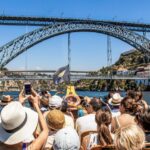
Six bridges is the perfect excuse to slow down. This Porto River Douro 6 Bridges Cruise follows the old Rabelo wine-boat route for an easy panoramic ride and photo-friendly skyline views.
I love the fact that you get both sides of the story—Ribeira and Vila Nova de Gaia—from the water, with those classic red-roofed buildings along the banks. And the timing is friendly: the cruise runs about an hour at a time, with departures every hour, so you can plug it into almost any Porto day.
One caution: the ride is not guided, and the onboard information can feel light. If you’re sitting where the sound doesn’t carry, it may be hard to catch every detail about the bridges.
In This Review
- Key Things That Make This Cruise Worth Your Time
- A 50-Minute “6 Bridges” Cruise That Works in Real Porto Time
- Porto vs Gaia: Pick Your Departure Point Like a Photographer
- Rabelo-Boat Spirit, Without Any Long-Lesson Tourist Trap
- The Bridges Section: Why These Crossings Are the Real Show
- Ribeira and Vila Nova de Gaia: Two Towns, One River View
- Foz do Douro Finish: Where the Douro Meets the Ocean
- Seating, Sound, and Comfort: Tiny Choices That Change the Experience
- Price and Value: Is $17 a Fair Trade?
- Who This Cruise Suits Best (and Who Might Want Another Option)
- Should You Book the Porto River Douro 6 Bridges Cruise?
- FAQ
- How long is the River Douro 6 Bridges Cruise?
- How often does the cruise depart?
- What are the daily operating hours?
- Can I choose to depart from Porto or Gaia?
- Is there a live guide on board?
- What sights will I see during the cruise?
- Is an audio guide included?
- What should I bring?
- What’s not allowed on the cruise?
- Is the cruise suitable for people with mobility impairments?
Key Things That Make This Cruise Worth Your Time
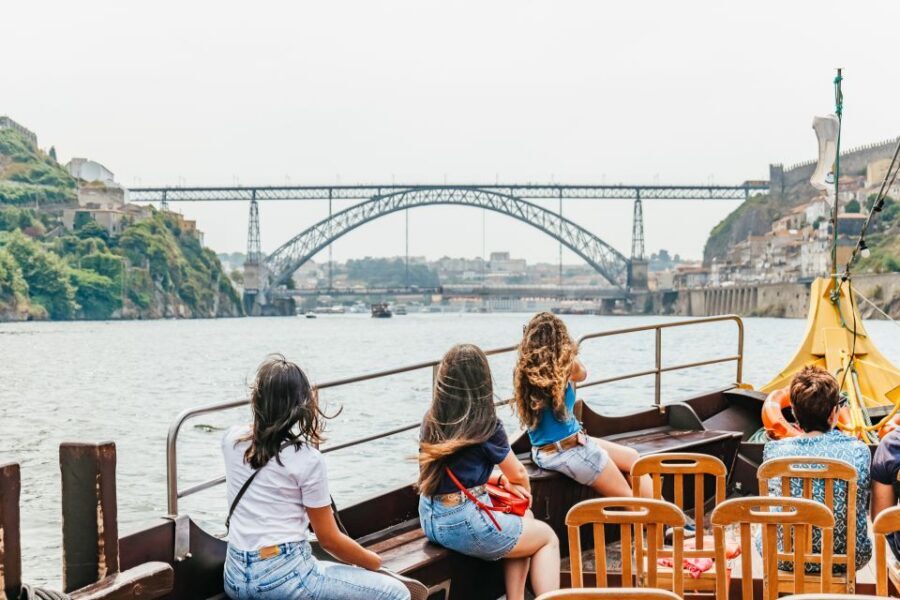
- Six-bridge route that links Porto and Gaia viewpoints without rushing
- Rabelo-boat route vibes, tracing the old wine-merchant traffic along the Douro
- Ribeira + Vila Nova de Gaia views from the river, including the historic bridge crossings
- Foz do Douro finish: sandy seafront area where the river meets the ocean
- High flexibility: you can choose a departure from Porto or Gaia depending on your plans
- Good value for an hour on the water, especially if you want city views without a long day trip
A 50-Minute “6 Bridges” Cruise That Works in Real Porto Time
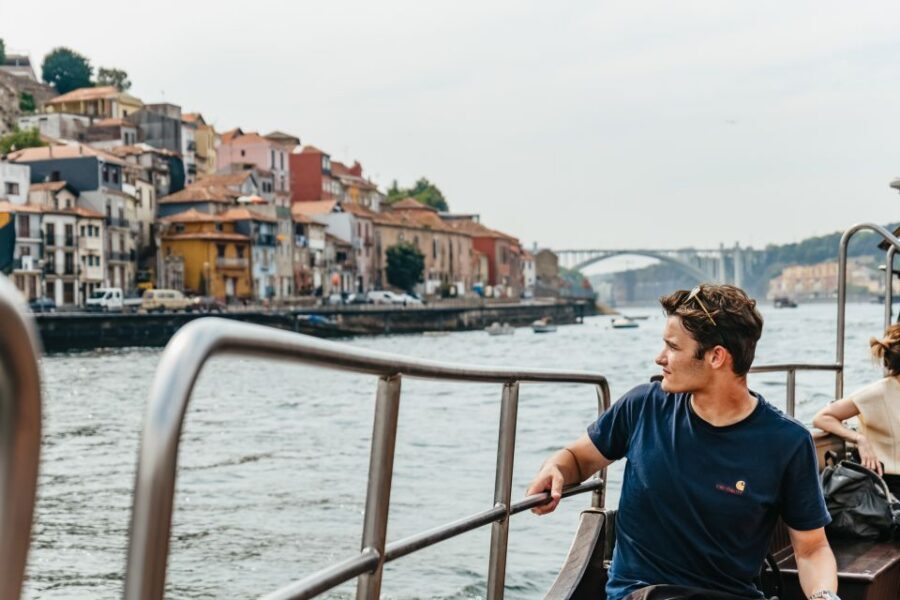
The Douro through Porto is one of those places where the best angle isn’t from the sidewalk—it’s from the river. This cruise is built for that. You slide along the water on a route shaped by how wine moved back when merchants relied on boats to get product from the valley down to the cellars.
Your ride is around 50 minutes of cruising, but you’ll want to treat it as an hour-ish chunk of your day once boarding and getting off are included. The nice part is that it doesn’t demand your whole afternoon. It’s the kind of activity that helps you reset your energy after walking the steep streets of Porto.
The boat gives you a steady, panoramic perspective on the city. From aboard, it’s easier to understand how Porto’s neighborhoods stack up along the curve of the river—especially when you’re looking from the water at those tight bends and bridge lines that you can’t fully appreciate from land.
You can also read our reviews of more boat tours in Porto

Porto vs Gaia: Pick Your Departure Point Like a Photographer
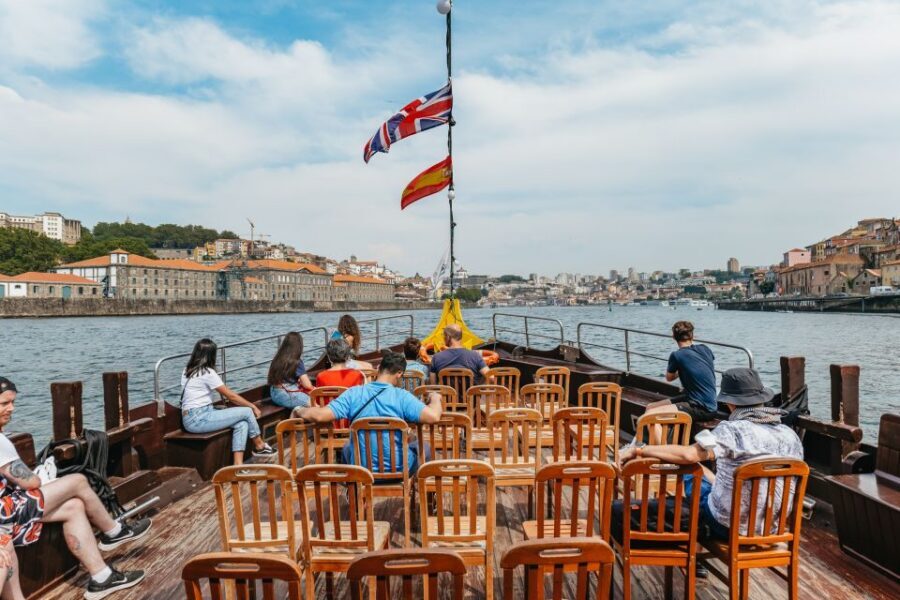
One big practical perk is that you can choose between a departure from Gaia or Porto. That matters more than it sounds.
If your hotel is on the Porto side (Ribeira or near the river), leaving from Porto can mean less transit and simpler timing. If you’re staying in Vila Nova de Gaia, starting there can spare you the walk or tram hop just to reach the dock.
Either way, the cruise concept stays the same: you follow the six-bridge route, pass the river’s town sections, and end near Foz do Douro. But your choice changes your starting scenery and what you’ll be facing during the most photo-heavy stretch.
A useful tip from the way people talk about this cruise: going out earlier in the day can mean fewer people on board. If you care about having room to move around and frame shots, it’s worth aiming for an earlier departure when you can.
Rabelo-Boat Spirit, Without Any Long-Lesson Tourist Trap
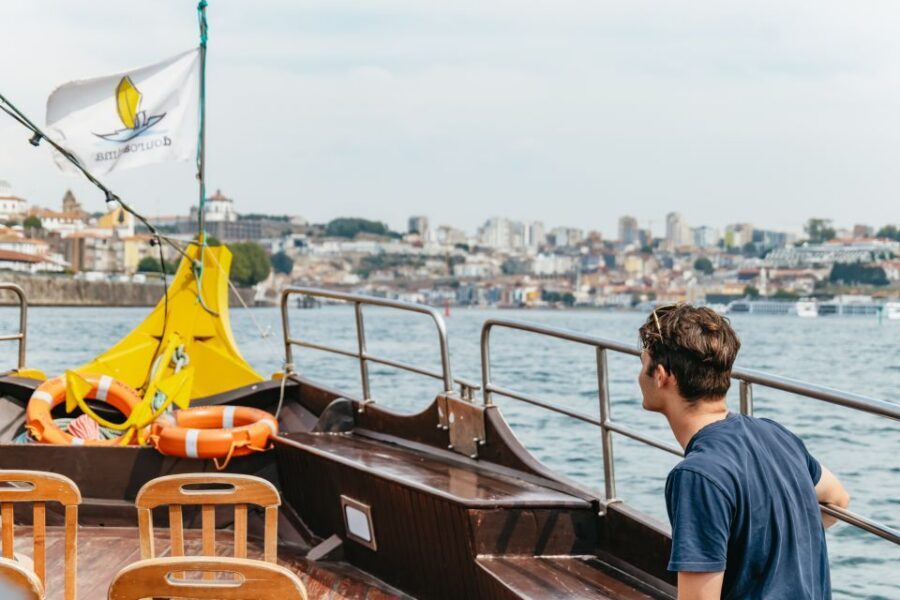
The tour is designed to feel like you’re retracing the old wine-transport route. In Porto, that theme lands well because the city’s identity is tied to wine history—cellars, hills, logistics, and the whole system that brought grapes and barrels down to where they’d be stored.
This isn’t a museum-style ride. It’s more like a guided-by-the-river experience, where the scenery does the heavy lifting and the information acts as seasoning. The best part is that you get the sense of motion along the river corridor—so the city doesn’t feel like a bunch of disconnected viewpoints.
Also: it’s not guided. So if you’re hoping for a live person to answer questions and pace the storytelling, you might be slightly disappointed. The tradeoff is that the cruise stays light, easy, and low-effort.
The Bridges Section: Why These Crossings Are the Real Show
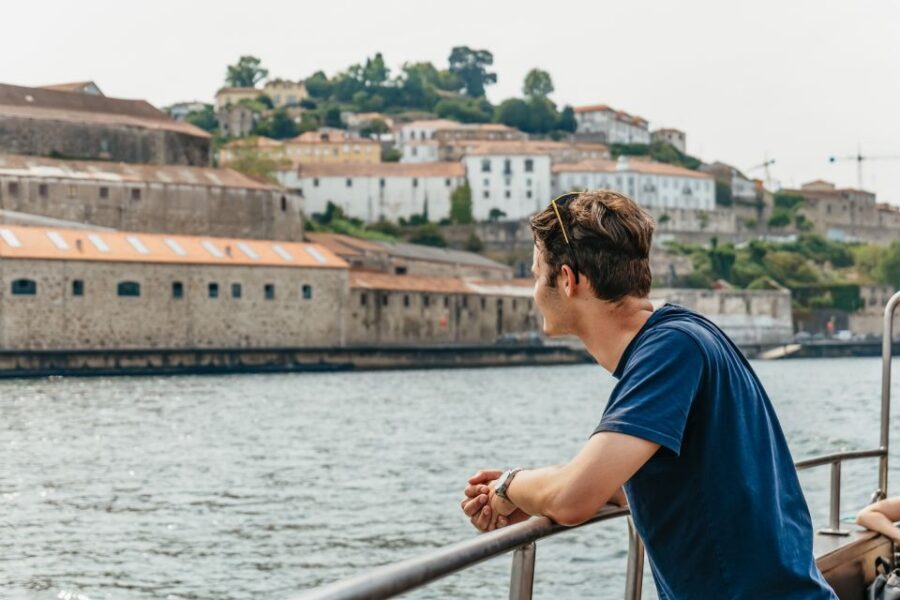
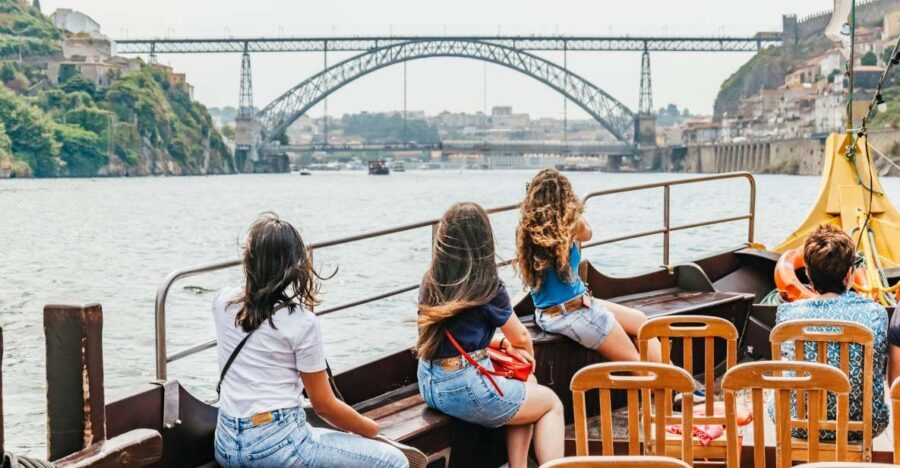
The “six bridges” promise is the heart of the itinerary. As you move along the Douro, you’ll be able to see how the bridges connect the two sides—Porto’s riverfront area and Gaia’s waterfront zones—while you also pick up what makes each crossing distinct.
This is where the cruise can feel either perfect or thin, depending on your expectations.
If you want architecture and river context without a full guided tour, this works well. You get a rolling, repeatable view under multiple bridges, plus the chance to watch how buildings and streets line up against the spans. It’s a good way to make the city legible fast, especially if it’s your first day in Porto.
If you’re the type who wants intense bridge history delivered in detail, you may feel the information is a bit limited. The clearest pattern is that where you sit affects how much you catch from the onboard narration/announcements. The fix is simple: plan to sit where you can hear clearly, not just where the view is best.
Ribeira and Vila Nova de Gaia: Two Towns, One River View
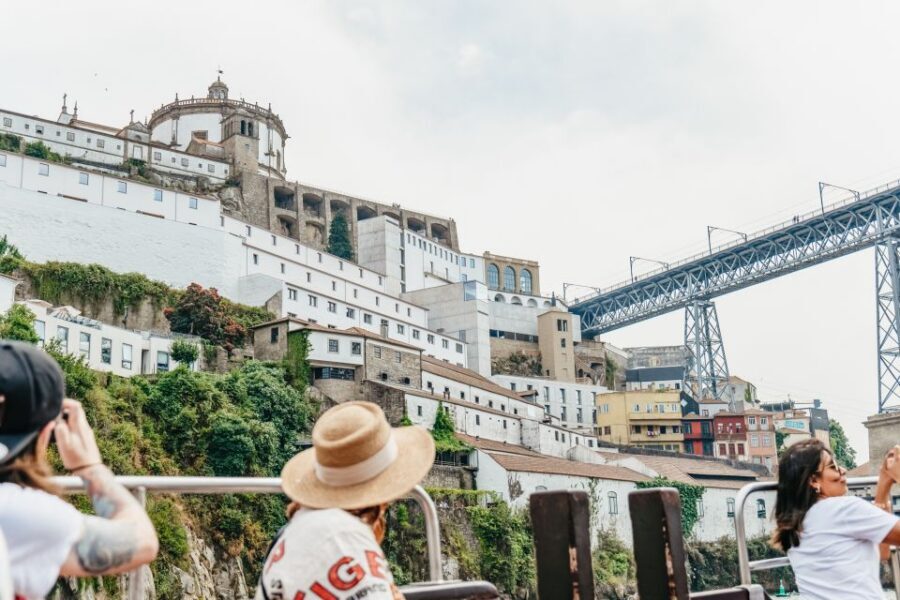
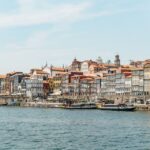
As you cruise, you’ll spot the riverfront character of Ribeira and Vila Nova de Gaia. From the water, those areas read differently than when you’re on land. Instead of thinking about street names and landmarks one by one, you see the big picture: a river corridor packed with buildings, warehouses, and layers of development.
The cruise also does something practical: it shows you how those neighborhoods relate to the bridges. That connection is hard to grasp from a single hilltop viewpoint. Here, your perspective shifts naturally as the boat glides along.
And if you’re short on time—like you only have a day in Porto—this is one of the simplest ways to experience both sides without committing to a longer tour.
Foz do Douro Finish: Where the Douro Meets the Ocean
The cruise doesn’t stop at the city core. After passing the final bridge segment, it heads toward the area near Foz do Douro, where you can see the seafront zone as the river pours toward the Atlantic.
That ending matters because it gives you a little contrast. Porto’s river energy is one vibe; the river-to-ocean meeting zone feels like a different chapter. Even if you don’t plan to wander the seafront right away, it’s a helpful visual cue for where the city’s riverwalk leads next.
If you’re the kind of traveler who likes to “map” a place with your eyes, this finish makes it easier to plan an evening walk afterward.
Seating, Sound, and Comfort: Tiny Choices That Change the Experience
This is a simple cruise, but your comfort setup can make a big difference.
A few things to keep in mind:
- Bring comfortable shoes since you’ll likely do some walking at the dock.
- Pack a camera, because the best shots often come from the outside viewing areas.
- Bring sun protection like a sun hat. The cruise runs many hours across the day, and you’ll be exposed when you’re out on the deck.
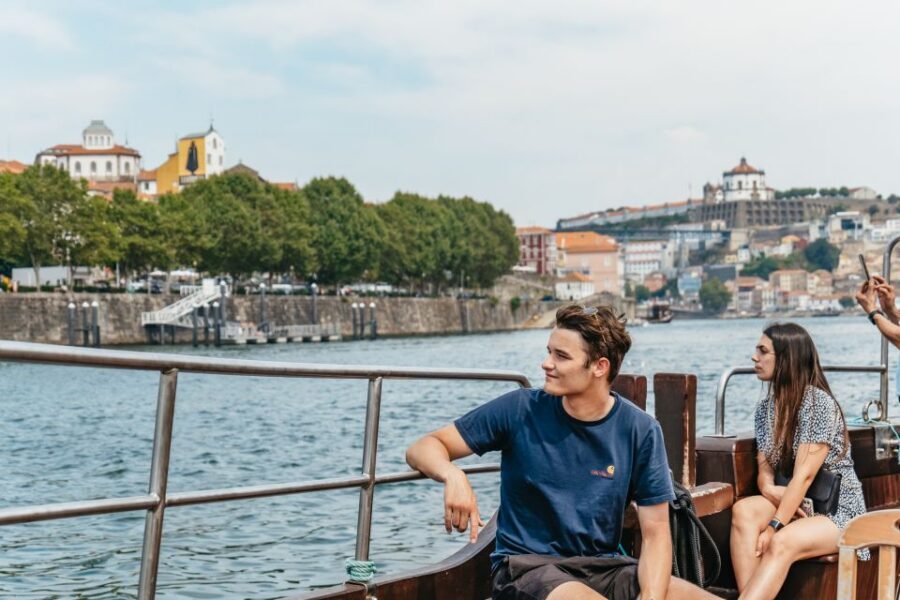
Sound is the main variable people talk about. Since the cruise isn’t a live guided narration, what you hear can depend on where you sit and how far the audio announcements carry. Some seats do a better job than others—especially if you’re sitting farther forward or trying to enjoy the view outside.
Comfort-wise, it’s not a long haul, so you don’t need to overthink it. But if you know you’ll want to stay parked in one spot to shoot photos, it’s worth choosing a bench position that doesn’t make you constantly reposition.
Weather can also surprise you. A breezier hour on the river can feel cooler than expected, even when Porto is behaving nicely on land.
Price and Value: Is $17 a Fair Trade?
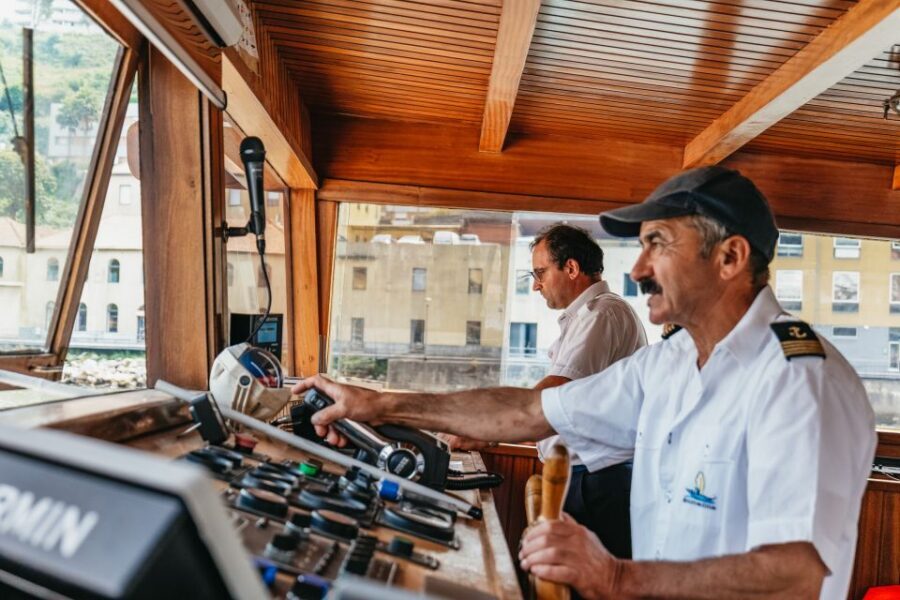
At about $17 per person, this cruise is priced like a “do it today” Porto add-on. For that money, you’re buying:
- Water-level city and bridge views
- A low-effort activity that fits almost any schedule
- A half-hour-plus buffer to rest your legs while still seeing real Porto
Where the value lands best is when your goal is simple: see Porto and Gaia from the river without committing to a full-day itinerary. If that’s your mission, it’s good value.
The only reason the value might feel weaker is if you expected a deep, guided history lecture. Since it’s not guided, you may want to treat it as scenery + light context rather than a full educational tour.
Who This Cruise Suits Best (and Who Might Want Another Option)
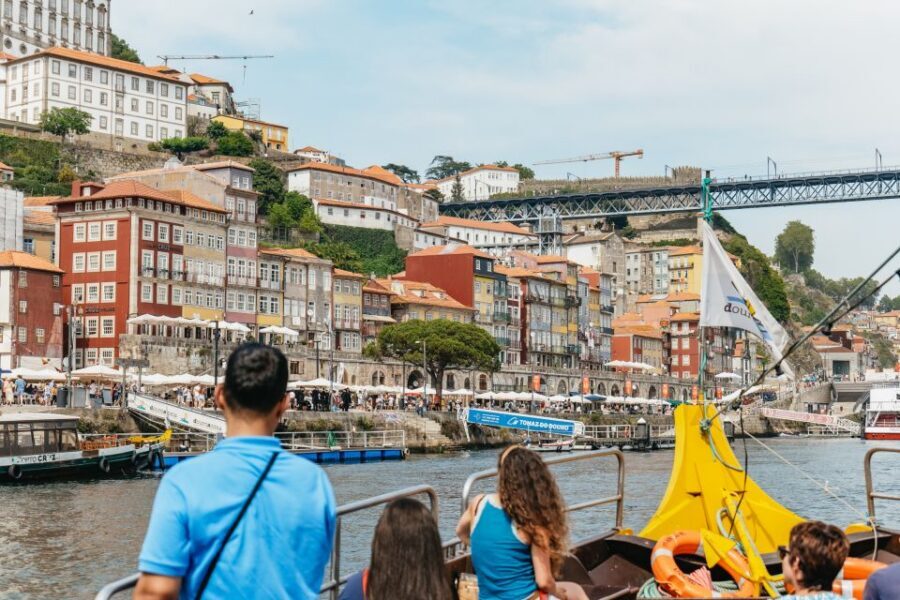
This is a strong match if:
- You want bridge and skyline views without a long outing
- You’re visiting Porto for a day and need a quick “both sides” activity
- You travel with kids or just want something easy and relaxing on the water
- You like photos and want a moving vantage point that road viewpoints can’t replicate
It might not be your best choice if:
- You need step-by-step mobility support (it’s listed as not suitable for people with mobility impairments)
- You’re expecting a live guide to fill every gap with detailed history
- You’re very sensitive to missing narration. If you can’t hear onboard announcements well from your seat, the informational value drops
Also, note the scheduling: the cruise runs every hour. In spring/summer (April to September) it typically operates 11:00 AM to 6 PM. In autumn/winter (October to March) it runs 10:00 AM to 4 PM. That makes it easy to plan around meals, but it can also mean fewer departure windows in the off-season.
Should You Book the Porto River Douro 6 Bridges Cruise?
Yes—if you want a quick, scenic Porto win.
I’d book it when you:
- want to understand Porto’s layout faster
- value views over speeches
- want an activity that doesn’t steal half your day
- can pick a timing when you expect fewer crowds (earlier often helps)
I’d think twice if you:
- need a fully guided, detailed history experience
- struggle with audio/narration and need a live explanation
- require accessibility accommodations (it’s not suitable for mobility impairments)
If your goal is to see the Douro’s bridges, Porto’s riverfront, and the Foz do Douro area in one smooth hour, this cruise delivers what it promises.
FAQ
How long is the River Douro 6 Bridges Cruise?
The included cruise time is about 50 minutes along the River Douro.
How often does the cruise depart?
It runs every hour.
What are the daily operating hours?
From April to September, it runs 11:00 AM to 6:00 PM. From October to March, it runs 10:00 AM to 4:00 PM.
Can I choose to depart from Porto or Gaia?
Yes. You can choose between a departure from Gaia or Porto, depending on the option booked.
Is there a live guide on board?
No. This cruise is not guided.
What sights will I see during the cruise?
You’ll see the six bridges and the river views of Ribeira and Vila Nova de Gaia, plus the Foz do Douro area at the end of the route.
Is an audio guide included?
A guide or audio guide is not included.
What should I bring?
Bring comfortable shoes, a sun hat, a camera, and comfortable clothes.
What’s not allowed on the cruise?
Pets, smoking, and luggage or large bags are not allowed.
Is the cruise suitable for people with mobility impairments?
No. It’s listed as not suitable for people with mobility impairments.