REVIEW · GRAHAM S PORT LODGE
Porto: Graham’s Port Lodge Tour & Vintage Room Wine Tasting
Book on GetYourGuide →Operated by Symington Family Estates, Vinhos, S.A. · Bookable on GetYourGuide
Port with a view of Porto.
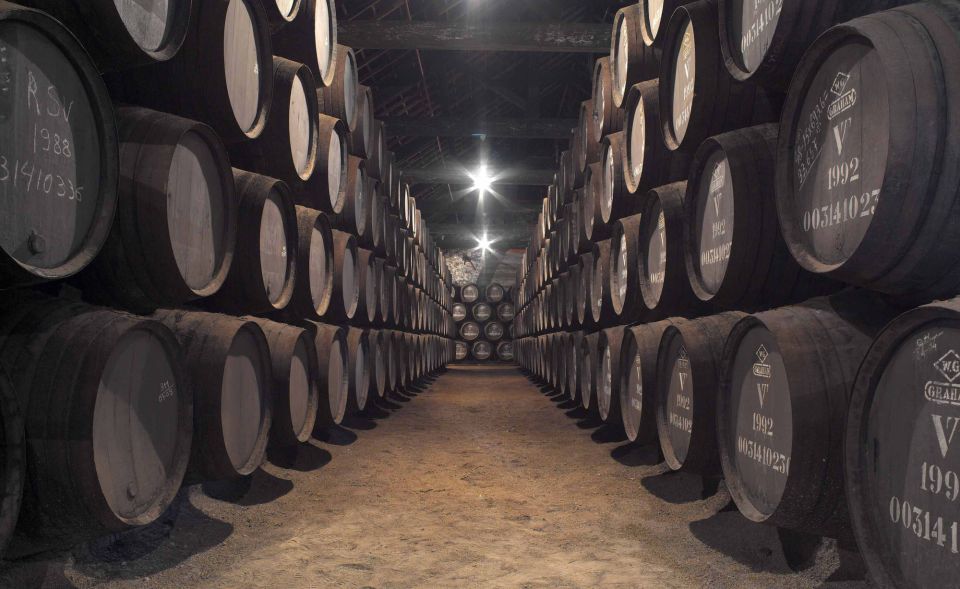
This tour pairs a guided walk through a working Port cellar with a calm, old-world tasting in Graham’s Vintage Room. You start at Graham’s Port Lodge, built in 1890 on a ridge across the Douro, then step into storage areas holding over 2,000 oak casks and 40 large oak vats. The payoff is a guided tasting of Graham’s Ports in a space designed like a historic library, right after you learn how Port is made and why it tastes the way it does.
I especially like how much you get for the time. In about two hours, you see how the cellar works today and you get to taste multiple styles, from vintage Ports to tawnies, rather than just hearing Port facts. One thing to consider: the tasting is the main event, and snacks are not included (they’re available for purchase), so plan to eat accordingly if you’re doing this on a hungry afternoon.
In This Review
- Key things to know before you go
- Graham’s Port Lodge: the ridge setting and Porto’s skyline on your doorstep
- Step into the working cellar: pipes, vats, and how the place runs
- The Port production story, explained simply while you walk
- The views part: Porto, the Douro, and the bridge moment
- Vintage Room tasting: vintage Ports, tawnies, and the cozy library vibe
- Who this tour fits best (and who might want something else)
- Price and value: is $70 for two hours worth it?
- Quick practical notes so your visit feels smooth
- Should you book Graham’s Port Lodge Tour & Vintage Room Tasting?
- FAQ
- How long is the Graham’s Port Lodge tour and tasting?
- What does the price include?
- Where do I meet for the tour?
- How many people are in the group?
- What languages are available?
- Is the tour wheelchair accessible?
- What wines can I taste?
- Are snacks included?
Key things to know before you go
- Working cellar access with a look at the storage system of over 2,000 pipes (oak casks)
- Port production explained in context, not just brand storytelling
- Dom Luís-style bridge views over Porto as part of the setting
- Vintage Room tasting atmosphere that feels intimate and calm
- Small-group size (max 10) so you can ask questions without shouting
- Two tasting options (standard or Super Premium featuring Port and tawny styles)
Graham’s Port Lodge: the ridge setting and Porto’s skyline on your doorstep
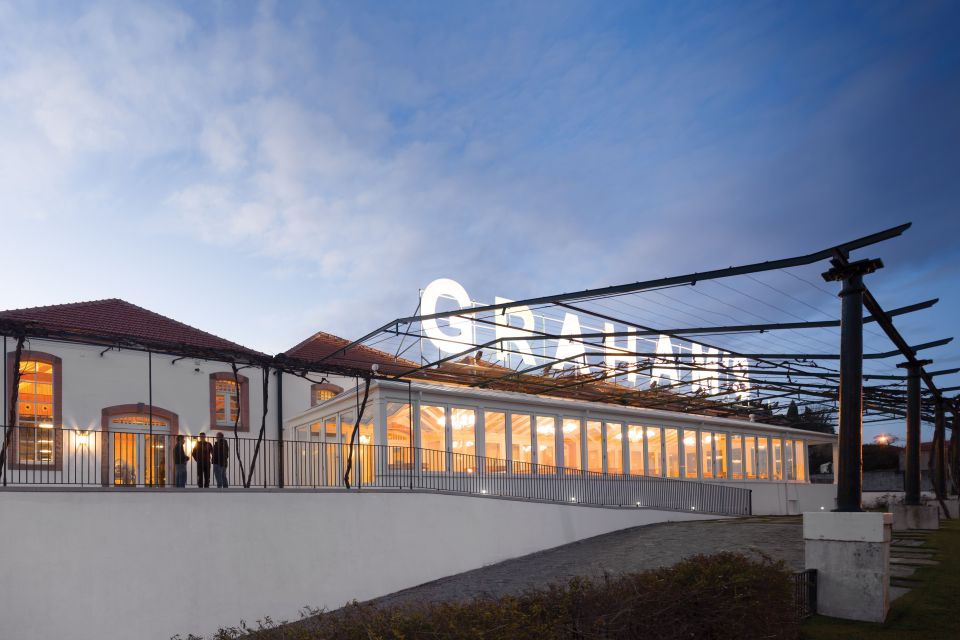
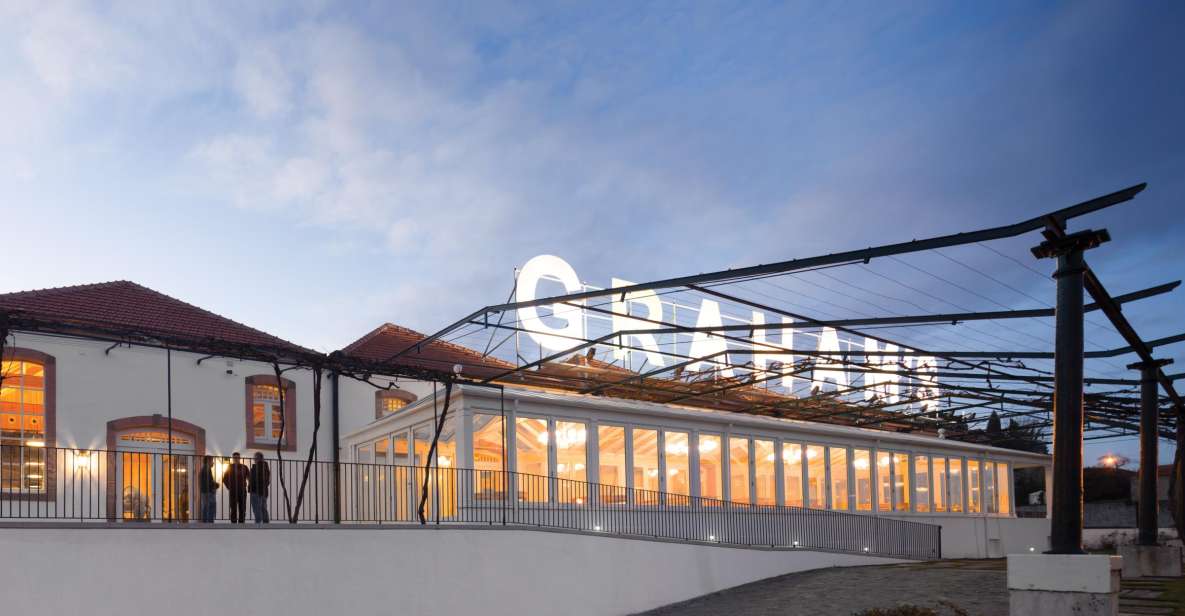
The Graham’s Port Lodge sits in Vila Nova de Gaia, just across the Douro River from Porto. From the lodge area, you get dramatic views of Porto’s city center, and the famous two-tier bridge is visible in the background. That matters because it frames the whole visit. You’re not touring wine in a parking-lot mood. You’re on the ridge where the business makes sense: river, transport history, and a skyline view that makes the hour feel special.
The lodge itself is part of the draw. It was built in 1890, and the building’s age shows in the way the spaces feel—stone, wood, and cellar rooms that look designed for storage. Even before you reach the barrels, you’re surrounded by the feeling that this is a real production site, not just a showroom.
If you like practical travel moments, this is one of those tours that gives you both scenery and structure. You get the famous Porto view, then you get a guided explanation of what’s happening inside those aging rooms.
Step into the working cellar: pipes, vats, and how the place runs
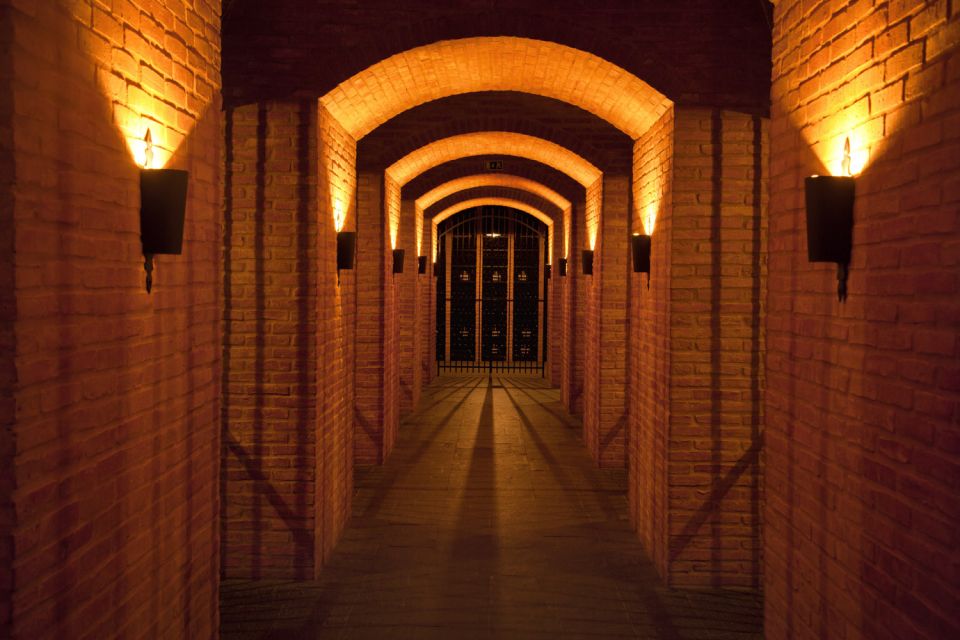
What I like most here is that the tour isn’t just a walk past a few barrels. You tour the building and cellar areas where Port is stored and aged. The scale is hard to miss: over 2,000 pipes (oak casks) and 40 large oak vats used for aging.
As you move through the spaces, the guide connects what you see to what the production process aims to do. You’re shown the key steps in making Port as you explore, so the cellar doesn’t feel like a museum. It feels like the operating heart of a long-running brand.
A couple details from recent visitor experiences help explain why the tour lands well. People consistently praise guides for answering lots of questions patiently and clearly. Names that came up in English-led tours include Inez, Bruna, Monica, and Pedro. That doesn’t mean every guide will be the same, but it does suggest the instruction tends to be strong—and in a place like this, good explanations are half the value.
Also, you’ll pass through spaces designed for storage and aging. That changes how you see wine. It’s not about a single bottle on a shelf. It’s about time, temperature, wood, and careful handling—things you can actually sense when you’re walking through the working rooms.
The Port production story, explained simply while you walk
Port can sound complicated until you see the logic behind it. The tour’s structure helps: you move through the cellar, then learn the key steps in Port production as the guide points to what’s being used and why.
You’ll learn the basics of how Port is built for aging, and you’ll hear what makes different Port styles behave differently over time. That’s useful even if you’re not trying to become a wine nerd. It helps you taste with intention.
Here’s what you can expect your brain to start doing during the tour:
- You connect wood aging to flavor texture, not just to taste notes.
- You understand why vintage Port and tawny Port aren’t simply different labels; they reflect different aging goals.
- You pick up the vocabulary you’ll actually use during the tasting in the Vintage Room.
And because the guide can take questions, you’re not stuck with a one-way lecture. If you want to know how something works—why a step matters, what changes during aging—you’ll get a chance to ask.
The views part: Porto, the Douro, and the bridge moment
One of the best travel payoffs in Porto is when the city looks like a postcard but still feels real. This tour hits that. Before you settle into the tasting, you’re placed to admire the historic city center of Porto across the river and the iconic two-tier bridge connecting Porto and Gaia.
That view is more than scenery. It gives you context for the logistics of the Port world—river access, trade routes, and the idea that this industry grew around transport and storage. In other words, the geography stops being background and becomes part of the story.
If you’re taking photos, this is the time to do it. You’ll want shots with the bridge and Porto’s skyline, then later you’ll be in indoor tasting rooms where lighting won’t be the same.
Vintage Room tasting: vintage Ports, tawnies, and the cozy library vibe
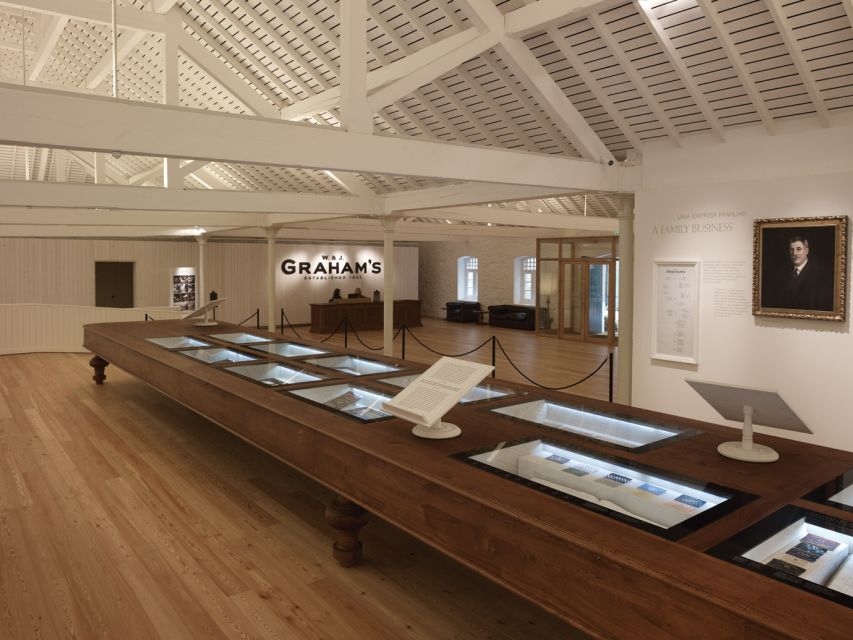
After the cellar tour, you move into the Vintage Room for wine tasting. This is where the experience shifts from education to pleasure.
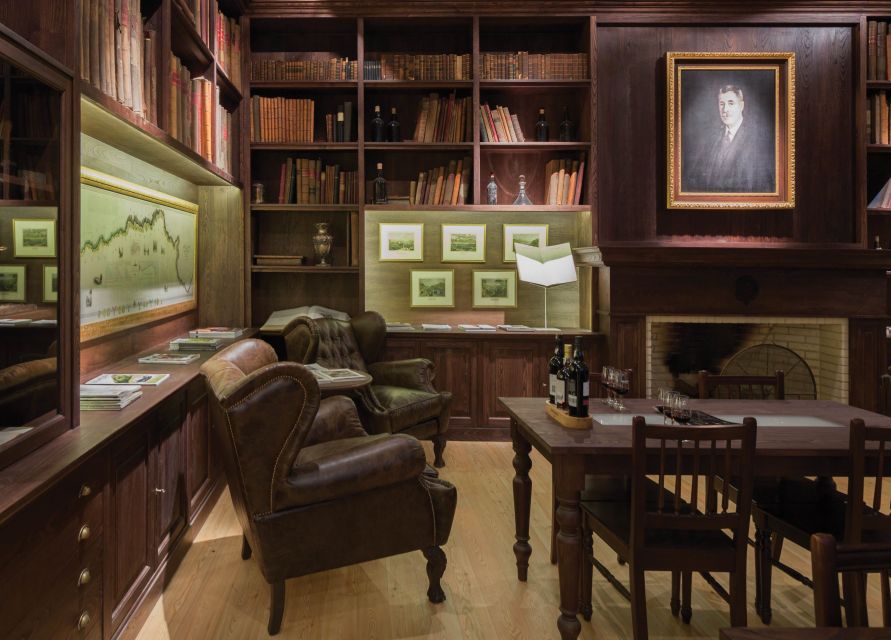
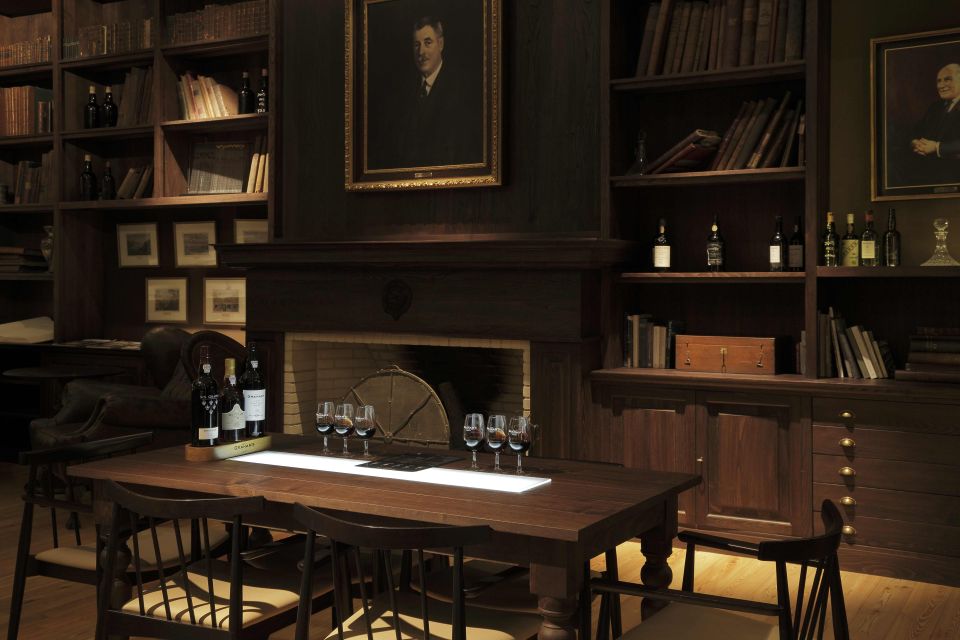
The room is described as cozy and intimate, styled in the manner of a historic library. That design detail matters. Port tasting can feel formal, but here it’s relaxed enough that you can actually focus on what you’re drinking. The pacing also seems to work well; multiple visitors note the tour doesn’t feel rushed, and the tasting portion is generous in both quality and quantity.
You’ll taste Graham’s Ports across styles. The standard tasting and the Super Premium Tasting are the two options you can choose from. Both are built around Graham’s Port styles, and the Super Premium option specifically mentions Port and tawny wines. That mix is a smart way to understand Port as more than one flavor.
A few practical tips I’d carry into your tasting:
- Start by noticing how the wines differ in sweetness and texture, not just color. Tawny styles often taste older and more “browned” in character, while vintage styles usually feel more concentrated.
- If you find one bottle too intense, shift to the other style in your set. Alternating helps you reset your palate.
- Ask your guide which style tends to match what you usually like. If you like fruit-forward reds, you’ll want to pay attention to those expressions. If you like complexity, you’ll likely lean toward tawnies.
One small bonus item showed up in at least one tasting experience: a new white port sample was mentioned as an extra. Since that’s not guaranteed in the info you provided, treat it as a possible perk rather than a promise. But it does hint that the tasting could surprise you in a good way.
And yes, there’s time for shopping after the tasting. That’s useful because it turns tasting knowledge into a real-world purchase decision while you still remember how each style tasted.
Who this tour fits best (and who might want something else)
This is a great pick if you’re in Porto and you want more than a generic wine stop. It’s especially good for:
- Wine lovers who want a production-site tour, not just a quick visit
- People who like to ask questions and get real answers from an English live guide
- Travelers who enjoy small-group experiences (it’s limited to 10 participants)
It’s also a good match if you care about setting. The ridge location, the river views, and the bridge sightline make the tour feel like a Porto-and-Gaia experience, not only a wine task.
Who might consider a different option? If you’re only looking for a short, casual sip with zero structure, this still has a guided format and a cellar walk. Also, because it’s designed around a tasting rather than a full meal, if you’re doing it at a time when you’re likely to be hungry, plan ahead since snacks are only available for purchase.
Price and value: is $70 for two hours worth it?
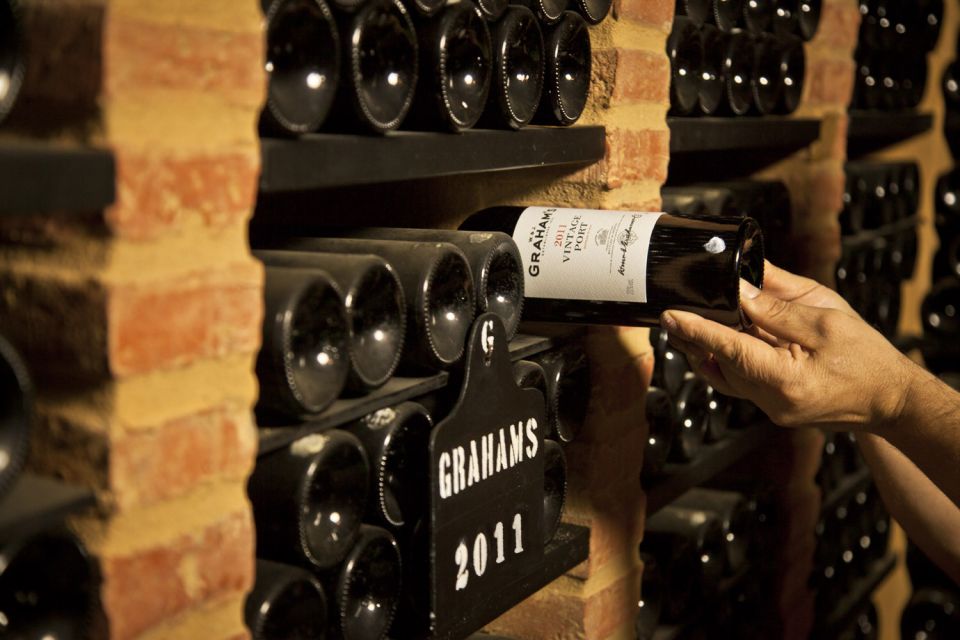
At about $70 per person for a 2-hour experience, the price can feel reasonable when you look at what’s included: a cellar and building tour with a guide, plus wine tasting.
Two big value drivers are already built in:
- You’re paying for access and explanation, not just for a flight of wine. The cellar tour includes the working storage environment and key production steps.
- You’re tasting multiple Port styles in a dedicated tasting room, not just sampling one or two glasses.
If you like to compare, think of it like this: in wine country, the cost often comes from guided interpretation and limited access to real cellar spaces. Here, you get both in a tight time block.
If you’re the kind of traveler who usually skips paid tastings, you might still be tempted here because the educational piece helps you taste smarter afterward. When you understand vintage versus tawny styles, the tasting stops being random and starts being a guided comparison.
Quick practical notes so your visit feels smooth
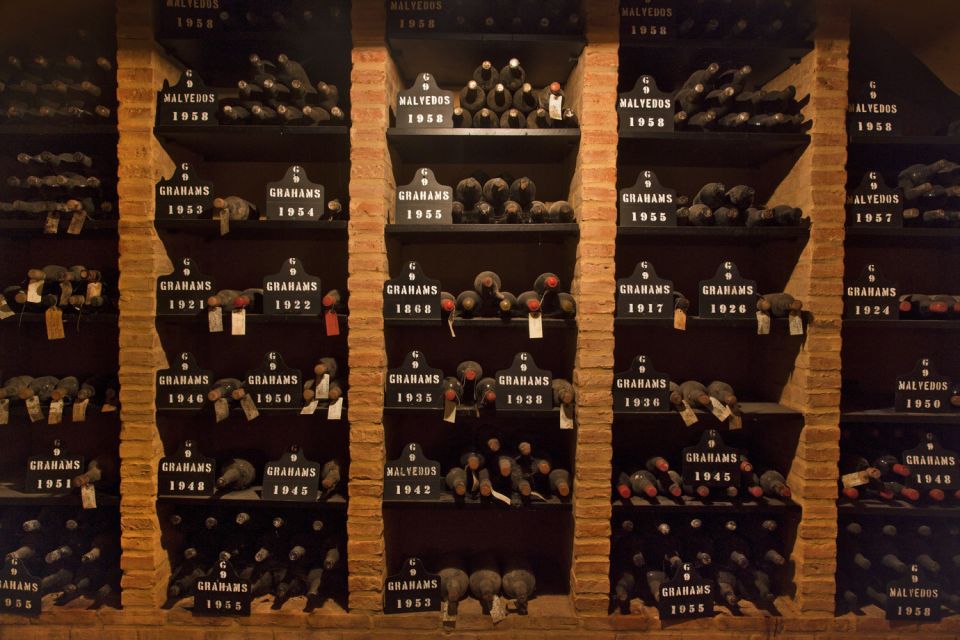
This tour is a live English guided experience and lasts about 2 hours. It’s wheelchair accessible. The small group size (max 10) is a plus if you dislike being squeezed.
Meet at Graham’s Port Lodge Reception on Rua do Agro 141. You’ll spend time in the visitor center area before heading into the tour and then tasting.
One more thing: snacks aren’t included, but they are available for purchase. If you’re pairing Port with food (or just want something to munch), plan to add that yourself on the day.
Should you book Graham’s Port Lodge Tour & Vintage Room Tasting?
Book it if you want a Porto-area wine experience that’s practical, guided, and grounded in a working cellar. This is one of those tours where the setting and the tastings support each other: river views and historic architecture in the morning-to-afternoon vibe, then a calm tasting room where you can compare styles and actually learn what you’re tasting.
Skip or reconsider if you’re only in Porto for a few hours and you prefer ultra-flexible self-guided visits. Also, if you need a full meal included, plan on eating elsewhere first since snacks are an add-on.
If you’re celebrating a birthday, a special trip, or you just like the idea of finding a bottle to bring home, this is the kind of tour that makes that easy. Two hours is enough time to learn, taste, and leave with a decision you feel good about.
FAQ
How long is the Graham’s Port Lodge tour and tasting?
The experience lasts 2 hours.
What does the price include?
It includes a tour of the cellar and building, a guide, and wine tasting.
Where do I meet for the tour?
Meet at Graham’s Port Lodge Reception.
How many people are in the group?
The group is small, limited to 10 participants.
What languages are available?
The tour guide is English.
Is the tour wheelchair accessible?
Yes, it is listed as wheelchair accessible.
What wines can I taste?
You can choose a standard Graham’s tasting or a Super Premium Tasting, which features Port and tawny wines.
Are snacks included?
Snacks are not included, but they are available for purchase.