REVIEW · PINHAO
Pinhão: Quinta do Bomfim Visit and Tasting
Book on GetYourGuide →Operated by Qta do Bomfim · Bookable on GetYourGuide
A perfect Douro visit should teach you something and still feel relaxed. At Quinta do Bomfim in Pinhão, you get both: a guided walk through the property, then a terrace tasting where family-made ports and wines come with real context. I especially like the on-site museum that explains the Symington family’s five-generation role, and the vineyard walks that show you exactly why these slopes matter for grapes.
The best parts are also what can shape your expectations. The pacing is usually smooth for the group size (max 10), but the tasting can feel a bit split because the guide has to move between tables. If you prefer one-on-one explanation or you get impatient with a slightly long-winded moment, plan to stay flexible and bring your questions early.
In This Review
- Quinta do Bomfim Quick Key Points
- Pinhão’s Quinta do Bomfim: the real reason it’s popular in the Douro
- Timing and meeting point: how the 1 to 1.5 hour experience works on the ground
- The museum start: a simple way to understand what you’re about to taste
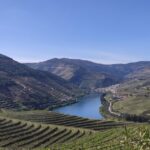
- Vineyard walks and dry-stone terraces: what to look for when you’re walking
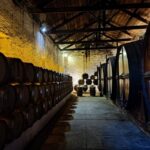
- The 1896 lodge and the vat-and-barrel cellar: where port making becomes tangible
- Terrace tasting choices: how to pick the right flight for your palate
- Is $47 good value for this Douro tasting experience?
- Who should book Quinta do Bomfim, and who should skip it?
- Should you book Quinta do Bomfim Visit and Tasting?
- FAQ
- How long is the Quinta do Bomfim visit and tasting?
- Where do I meet for the tour?
- What wine tasting options are available?
- What language are the guided tours in?
- Is this tour suitable for wheelchair users or mobility impairments?
- What’s included in the price?
Quinta do Bomfim Quick Key Points
- Symington family for five generations: you’re tasting a living family operation, not a staged showroom.
- On-site museum first: early-20th-century Douro photos and documents give you the why behind everything you’ll see next.
- Vineyard walks with dry stone terraces: you’ll step through terraces built by hand in the 18th and 19th centuries.
- The old 1896 lodge and cellar system: a major structure used for more than 100 years to hold harvest ports and move them later toward Vila Nova de Gaia.
- Multiple tasting styles: choose among Douro DOC, port, premium vintage, or Dow’s Old Tawnies tastings.
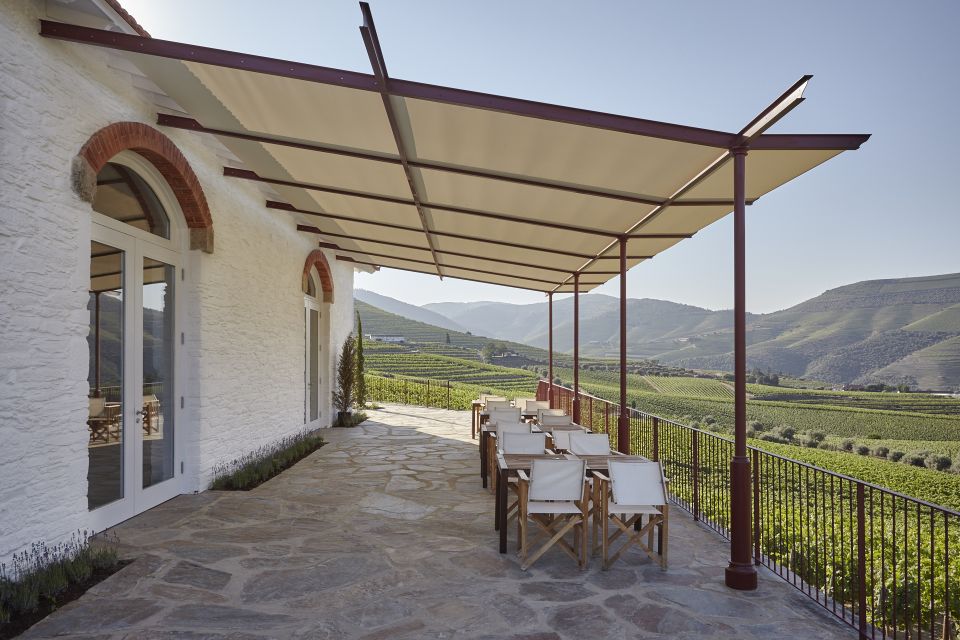
- Terrace views with a payoff: tasting happens with sweeping views over the Douro River and surrounding vines.
Pinhão’s Quinta do Bomfim: the real reason it’s popular in the Douro
If you’re driving the Upper Douro Valley and trying to pick one stop that feels both educational and unhurried, Quinta do Bomfim is a strong match. It isn’t just about tasting. The tour is built to show how the family farmed, processed, and aged wine and port across time, then bring you to the terrace when your palate is ready.
What makes this estate practical is the mix of pacing and variety. You start indoors with a museum that gives you names, documents, and visuals. Then you move through the vineyard and old production spaces. Finally, you taste while looking out over the river that gives the Douro its signature geography.
One more big plus: ports with serious credentials are part of the storyline. Quinta do Bomfim is connected to two major Dow’s Vintage Ports of the 21st century: Dow’s 2007 Vintage Port, awarded 100 points by Wine Spectator, and Dow’s 2011 Vintage Port, nominated N°1 Wine in the World by the same publication.
You can also read our reviews of more food & drink experiences in Pinhao

Timing and meeting point: how the 1 to 1.5 hour experience works on the ground
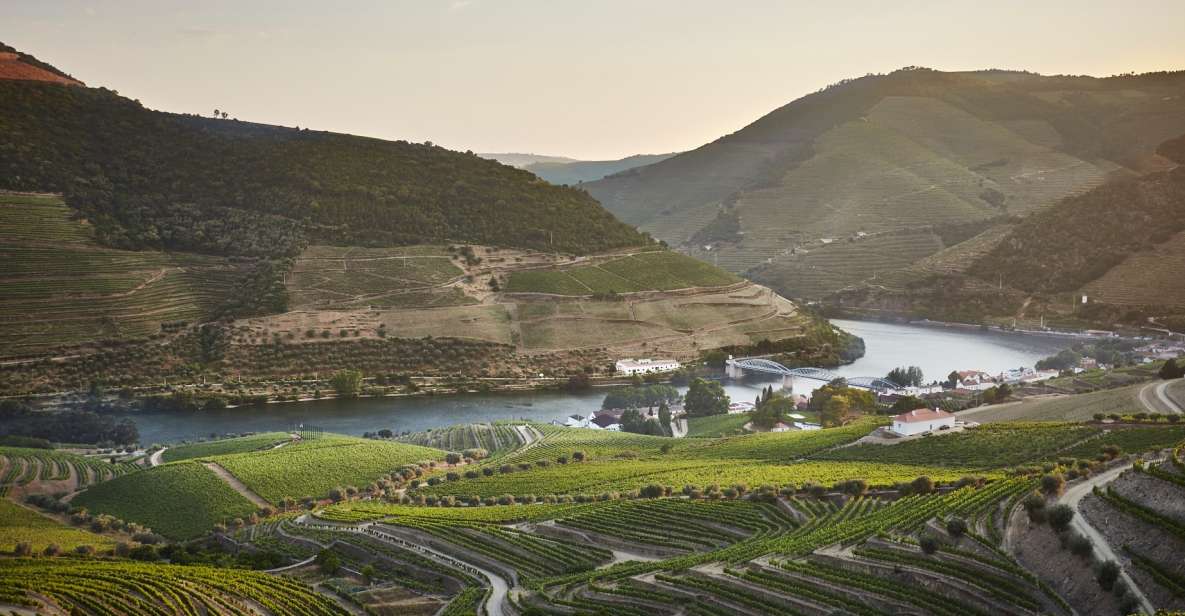
This tour runs about 1 to 1.5 hours, which is perfect if you’re doing a day tour in the Douro and you don’t want to lose half the day. The group stays small, capped at 10 participants, so you’re not stuck waiting behind a big crowd.
Plan to arrive 15 minutes early at the Visitor Center meeting point in Quinta do Bomfim. That buffer matters because the tour starts with the museum portion, and you want to get settled before the guide begins the story.
Because the tour is relatively short, you’ll feel the rhythm more than you’ll feel a deep, slow itinerary. That’s not a flaw here. It’s the design: you get the main sights and a real tasting, without turning it into an all-afternoon commitment.
The museum start: a simple way to understand what you’re about to taste
The experience begins inside an on-site museum that frames the property as a long-running family business. You’ll learn about the Quinta itself, how the Symington family built and refined its approach, and how the Douro region shaped the wines.
What I like about starting here is that it gives you a mental map before you walk outside. You’re not just looking at vines and old barrels. You’re learning how the estate’s choices connect to aging, blending, and style.
You also get a sense of time through a collection of early-20th-century photographs of the Douro and documents tied to the Quinta and the region. That helps if you’re trying to connect the modern Douro look—terraces, slopes, and river bends—to how things used to work.
Guide quality can make this part shine. Names that have shown up in visitor feedback include Rodrigues and Mariana, both mentioned for clear explanations and keeping the tour engaging. If you get one of the guides who leans into stories, the museum becomes the easy foundation for everything that follows.
Vineyard walks and dry-stone terraces: what to look for when you’re walking
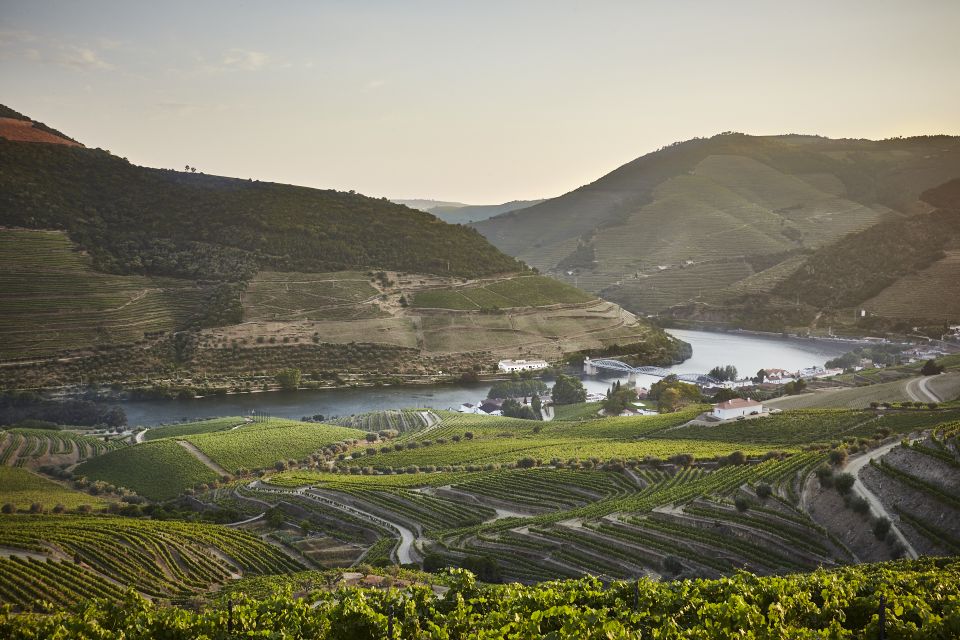
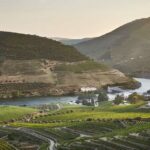
After the museum, the tour moves into the landscape you came for: vineyard ground in the Upper Douro Valley. You’ll take a walk through the estate with views over surrounding mountain vineyards, and you’ll have the chance to choose between three vineyard walk options.
Here’s why that matters for you: the Douro can look similar from a distance, but the details change. Terraces, slope angles, and stone walls affect drainage and microclimates. Even if you’re not a wine geek, you can still see how the landscape is managed.
Some of the walks include dry stone terraces built by hand in the 18th and 19th centuries. This is the kind of thing that sounds historical, but on the ground it becomes practical. You see how much labor went into building workable growing areas on steep hills.
You’ll also pass by key structures like the old lodge built in 1896, which adds a nice bridge between grape growing and the production side. If you’re wearing comfortable shoes, this part feels like a scenic stroll with a purpose, not a strenuous hike.
The 1896 lodge and the vat-and-barrel cellar: where port making becomes tangible
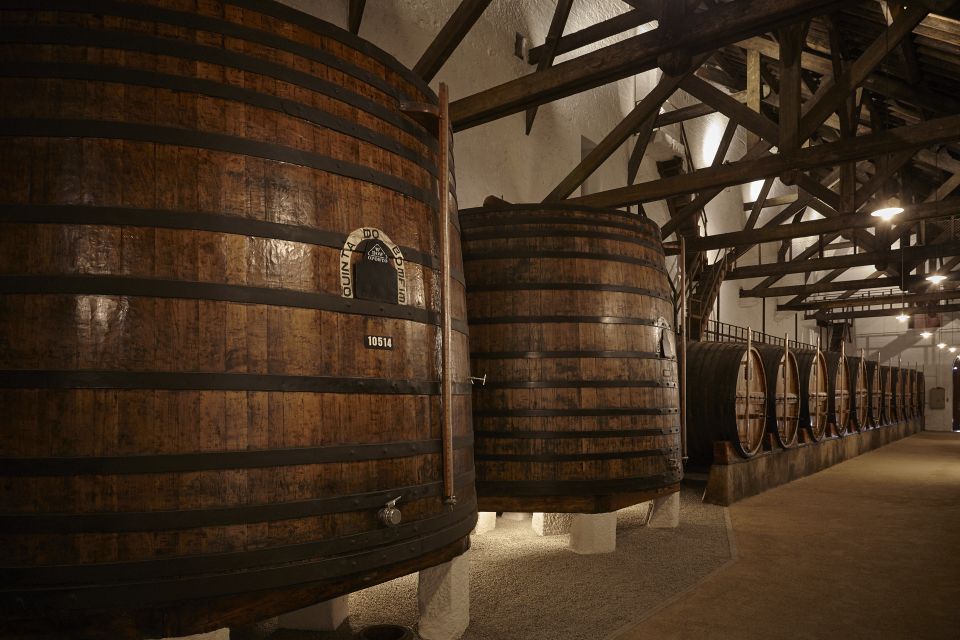
One of the most compelling stops is the estate’s old lodge and cellar setup. The lodge built in 1896 is described as one of the most significant structures in the Douro Valley, and it’s where the tour helps you connect the grape story to the port story.
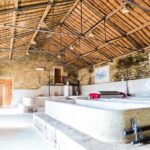
The cellar includes a large vat and barrel storage area, with a complex roof structure. It’s been used for more than 100 years to hold ports from each harvest at the estate before the wine is taken downriver toward Vila Nova de Gaia for further maturing.
What you’re learning, in real terms, is timing and process. Port isn’t just a style choice. It’s a set of production steps that happen within a specific seasonal rhythm.
If you visit during harvest, the tour can include seeing grapes being received at the winery and port being made in the lagares (troughs). If you’re there outside harvest season, you might watch a short film showing the winery in operation at another Symington property, plus traditional treading at those family sites.
This part is often where guides like André and Gabriel get mentioned for passion and clarity. People specifically note how well the guide explains the port-making process, and that’s exactly the value you’re buying here: you’ll understand what you’re seeing instead of just taking photos.

Terrace tasting choices: how to pick the right flight for your palate
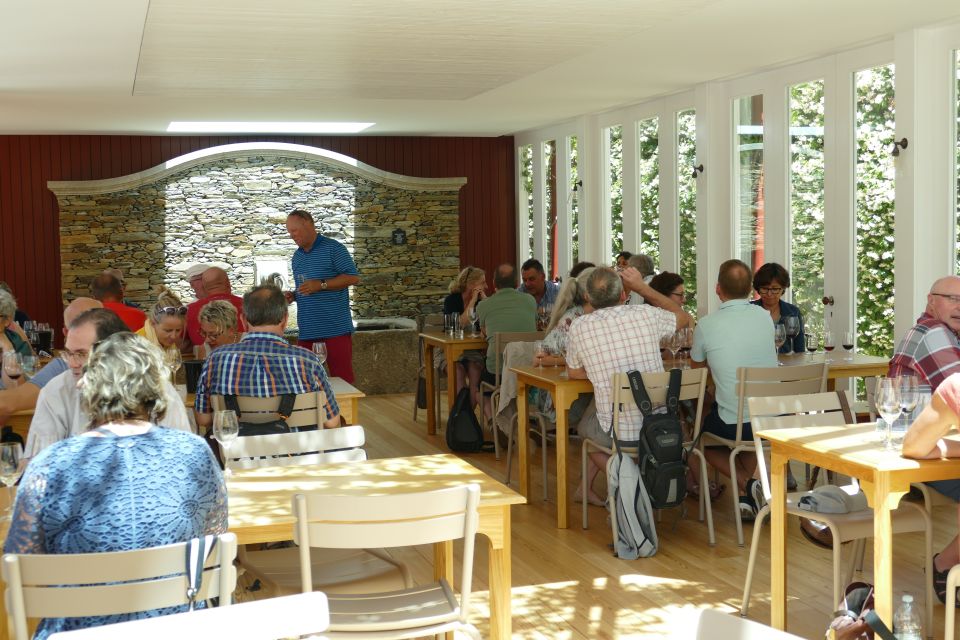
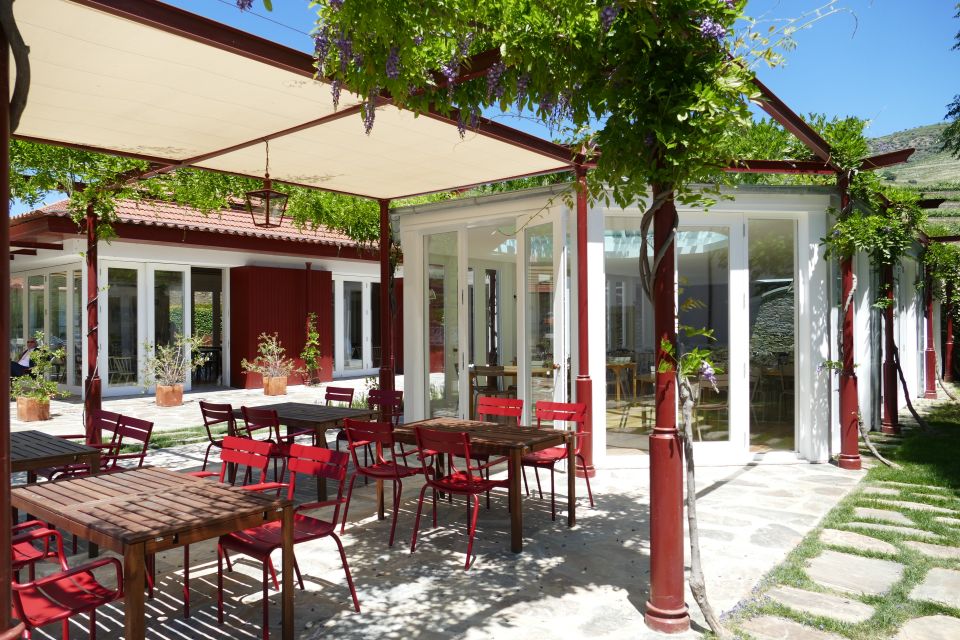
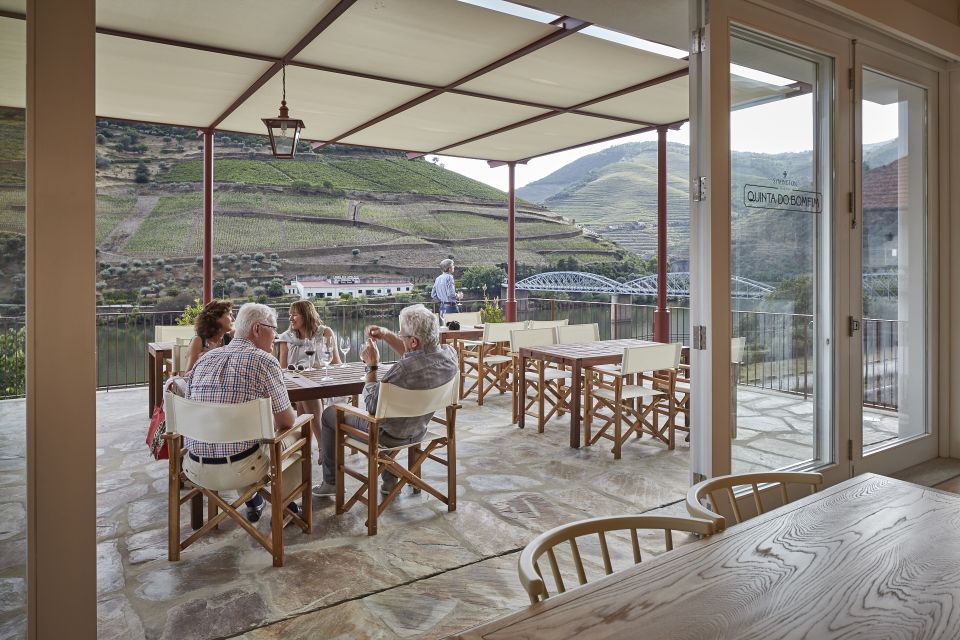
The tasting happens last, on the terrace with views over the Douro River and surrounding vineyards. This is smart. By the time you taste, your brain has context, and your senses get a payoff.
The tour offers four tasting options, and each one changes what you’ll taste:
- Douro DOC tasting
- Port tasting
- Premium vintage tasting
- Dow’s Old Tawnies tasting
From a value standpoint, the choice is useful because it prevents the common problem where everyone tastes the same flight. In the experience here, the tasting selection can vary across the group, meaning you’re more likely to hear different style notes from the guide as the tasting progresses.
If you’re a port fan, look for the tasting options that connect to the estate’s Dow credentials. Quinta do Bomfim is the birthplace connection for Dow’s 2007 Vintage Port and Dow’s 2011 Vintage Port, so it’s the kind of stop that turns those names from trivia into something you can taste with confidence.
One practical heads-up from real-world pacing: during tasting, guides may explain wines table-to-table and then circle back for questions. That can create uneven timing if some tables ask lots of questions right away. If you know what you want to ask, ask early or write down your questions so you catch the guide when they’re at your side.
Also, food pairing isn’t part of the included experience. There’s a simple tasting setup (3 glasses included), and the tour does not promise snacks or cheese with your pours. If you’re arriving hungry, plan to eat before you go or add a meal afterward.
Is $47 good value for this Douro tasting experience?
At $47 per person, you’re paying for more than three glasses. You’re buying a structured tour: a museum-led introduction, vineyard walks, access to the old cellar and lodge area, and a guided tasting with 3 glasses included.
Here’s why that can feel like good value. Tastings elsewhere in wine country often hit one of two extremes: either you get a quick pour with no context, or you get a long educational tour with no meaningful tasting variety. This experience tries to balance both, especially because the museum and cellar stops explain the process that leads to what you’ll taste on the terrace.
The small-group format (max 10) also matters at this price point. Smaller groups can mean less time waiting and more chance for the guide to answer questions. If you’re visiting the Douro with limited time, that efficiency is part of the value.
To get the most out of it, come with a quick game plan:
- Decide if you’re more curious about Douro DOC grapes or port production and aging.
- Wear shoes that can handle stone terraces and outdoor walking.
- Bring your questions about process, especially about how the cellar and lagares connect to the styles you’ll taste.
Who should book Quinta do Bomfim, and who should skip it?
This works best for you if you want an Upper Douro stop that feels grounded and human-sized. The combination of museum, vineyard walks, and production spaces is ideal for people who like to understand what they’re tasting without committing to a full-day winery crawl.
It’s also a good choice if you’re traveling with wine curiosity but you don’t want a lecture marathon. Several guides mentioned in visitor feedback include Rodrigues, Mariana, Leonor/Leonore, André, and Gabriel, and people highlight that the guides keep the explanations moving while still making time for questions.
Skip it if you have mobility limitations. The tour is not suitable for people with mobility impairments or wheelchair users. The walking portions and estate grounds make it harder to accommodate.
If you’re trying to plan the perfect Douro day, this stop pairs well with a meal at or near the estate area. One visitor specifically suggested combining the visit with lunch or dinner at Bomfim 1896 restaurant, which is worth considering if you want a smooth transition from tasting to food.
Should you book Quinta do Bomfim Visit and Tasting?
Book it if you want a short, high-impact introduction to Quinta do Bomfim and the Symington family’s Douro work. The museum start, the vineyard terrace views, and the cellar/lodge story make this more than a quick pour. And with tasting options like Douro DOC, port, premium vintage, or Dow’s Old Tawnies, you can tailor the experience to your interests.
Hold off only if you hate walking on uneven ground or you need an accessible route. Also, if you’re very sensitive to pacing, know that the tasting explanation may happen in rounds as the guide moves across tables.
If you’re building a Douro itinerary in Pinhão and you want one stop that teaches you the why behind the glass, this one makes sense.
FAQ
How long is the Quinta do Bomfim visit and tasting?
The experience runs about 1 day to 1.5 hours, depending on the starting time you book.
Where do I meet for the tour?
Meet at the Quinta do Bomfim Visitor Center. Arrive about 15 minutes before the activity starts.
What wine tasting options are available?
You can choose from four tasting styles: a Douro DOC tasting, port tasting, premium vintage tasting, or Dow’s Old Tawnies tasting. Each includes a different set of wines.
What language are the guided tours in?
The live tour guide speaks English and French.
Is this tour suitable for wheelchair users or mobility impairments?
No. It is not suitable for people with mobility impairments or wheelchair users.
What’s included in the price?
The tour includes a guided tour and wine tasting with 3 glasses of wine. Free cancellation is available up to 24 hours in advance for a full refund, and you may be able to reserve now and pay later.