REVIEW · OLHAO
Olhão: Ria Formosa 2 Islands Boat Tour
Book on GetYourGuide →Operated by Rota das Ilhas · Bookable on GetYourGuide
Alone time on the water beats the beach. This half-day Ria Formosa Natural Park cruise is built around birds, saltwater lagoons, and two islands with a local guide’s eye for what matters. I love how the skipper slows down when conditions line up for wildlife, and I also love the human side—fishermen’s work shows up when the tide is right. One thing to plan for: you’re walking and exploring on islands with about an hour on each, so comfy shoes are non-negotiable.
What really makes this tour click is the mix of nature + everyday life. In the canals you’re not just cruising—you’re getting context for why this wetland matters and what to look for, from bird species to the lagoon’s ecosystem. And when you reach the islands, it’s not a rushed drive-by: you get guided time on Culatra and a relaxed photo-and-walk window on Farol.
The main drawback is simple timing. The tour is only about 3 hours total, so if you’re hoping for a long beach stop or lots of lounging, the island time may feel tight—especially since it’s designed more for exploring than hanging around.
In This Review
- Key things I’d plan around
- Ria Formosa from Olhão: why this lagoon tour feels special
- Getting set at Kioske Rota Das Ilhas (and what the 3 hours actually includes)
- The lagoon cruise segments: channels, birds, and the dolphins question
- Culatra Island: fishing village time (and how not to misjudge the 1 hour)
- Ilha do Farol: lighthouse photos and classic Algarve houses
- What the local guide adds (Jaime, Antonio, and the ecosystem talk)
- Price and value: why $35 can be a smart deal here
- What to bring and how to dress for comfort
- Who this tour suits best (and who might want a different plan)
- Should you book the Olhão Ria Formosa two-islands boat tour?
- FAQ
- How long is the Olhão Ria Formosa 2 Islands Boat Tour?
- Where does the tour start?
- What islands do you visit?
- Is lunch included?
- What is included in the price?
- Do you provide snorkeling or mask gear?
- What wildlife can you expect?
- Can you see fishermen working during the tour?
- What languages are available for the live guide?
- Is the tour accessible for wheelchair users?
Key things I’d plan around
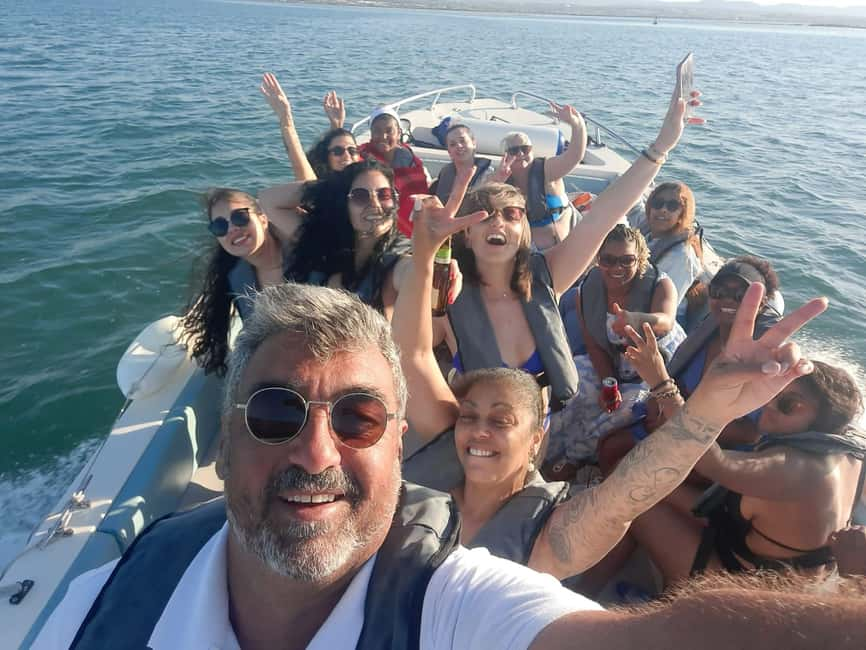
- Two islands, one efficient route: Culatra first, then Ilha do Farol, all within about 3 hours.
- Tide-dependent moments: at low tide, you might see fishermen working clam and oyster beds.
- Wildlife patience from the guide: Jaime and other guides are known for taking time—especially if dolphins show up.
- Farol lighthouse photo stop: you’ll get time on Ilha do Farol for lighthouse pics and the classic Algarve houses nearby.
- Culatra village walk with a guide: about an hour to get a feel for a traditional fishing community.
- Comfort items matter: you’ll be on and off the boat, so bring comfortable shoes and clothes.
Ria Formosa from Olhão: why this lagoon tour feels special
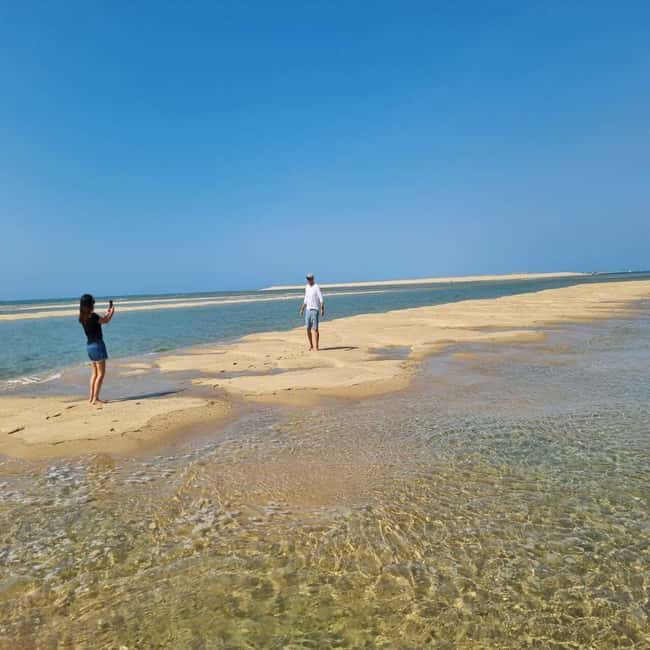
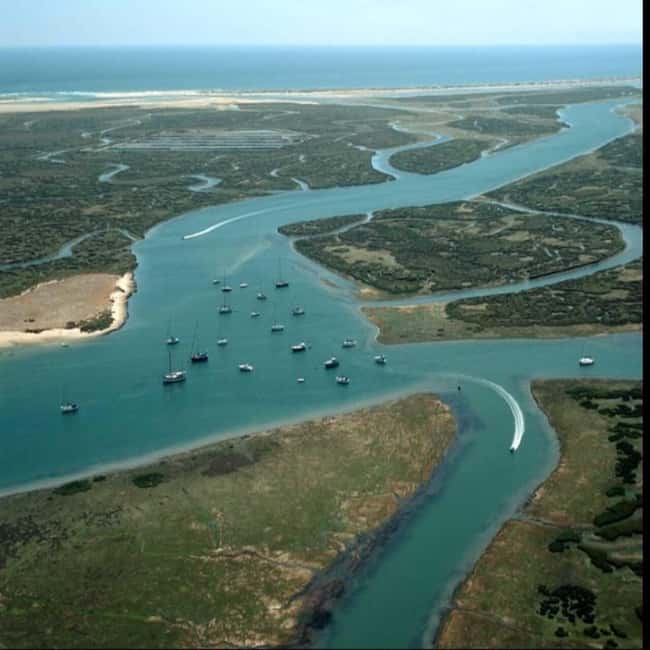
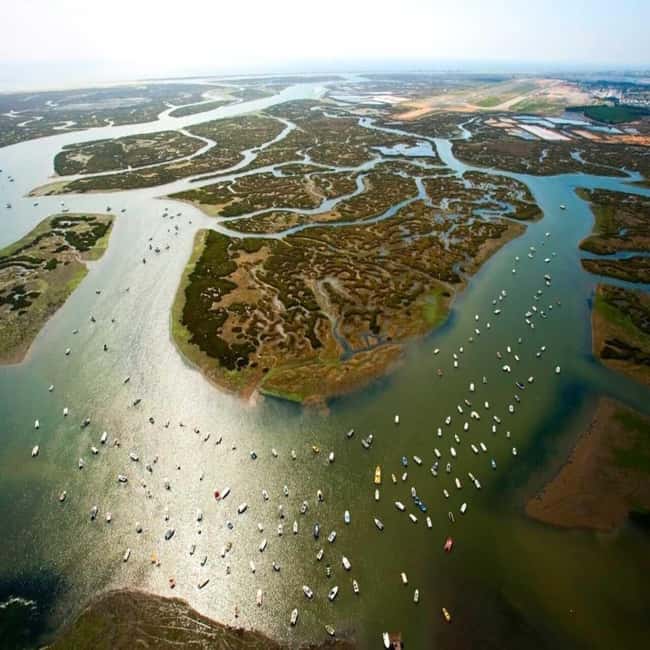
If you’ve only seen the Algarve as cliffs and beach towns, the Ria Formosa can surprise you. This coastal wetland isn’t a single “view”—it’s a system. Channels shift, sand flats appear, birds patrol the shallows, and small communities work right alongside the lagoon.
That’s why this tour works so well. You’re not standing on a viewpoint waiting for nature to perform. You’re moving through the park’s waterways, guided by someone who knows how to read the place.
Even better, the tour has two islands with different personalities. Culatra is about the working fishing village feel. Farol is about the lighthouse area and the classic, postcard-style housing around it. Same lagoon, different mood.
You can also read our reviews of more tours and experiences in Olhao.
Getting set at Kioske Rota Das Ilhas (and what the 3 hours actually includes)
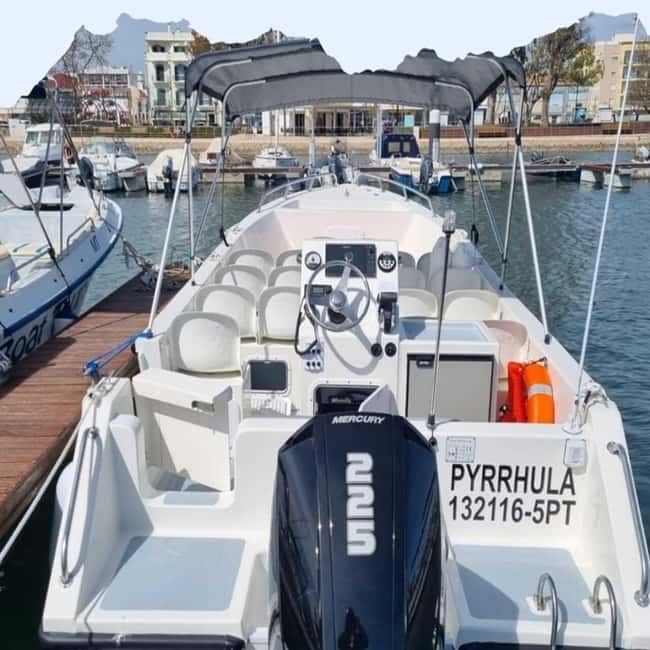
You’ll start at Kioske Rota Das Ilhas in Olhão, at the Rota Das Ilhas meeting point. The activity is listed as 3 hours, and the schedule matches that: short cruising segments between islands and two longer “experience blocks” where you actually step into the island space.
Included basics are practical for a lagoon boat day:
- professional captain
- local guide
- life jackets
- diving masks
- waters
It’s also a tour with a live guide in Portuguese, English, Spanish, and French, which matters here. In a place like Ria Formosa, a simple map view isn’t enough. You want someone to explain what you’re seeing—especially if you’re trying to spot birds or understand the fishermen’s role.
One small planning note: lunch isn’t included. If you get hungry after your cruise, you’ll want to eat on your own once you’re back.
The lagoon cruise segments: channels, birds, and the dolphins question
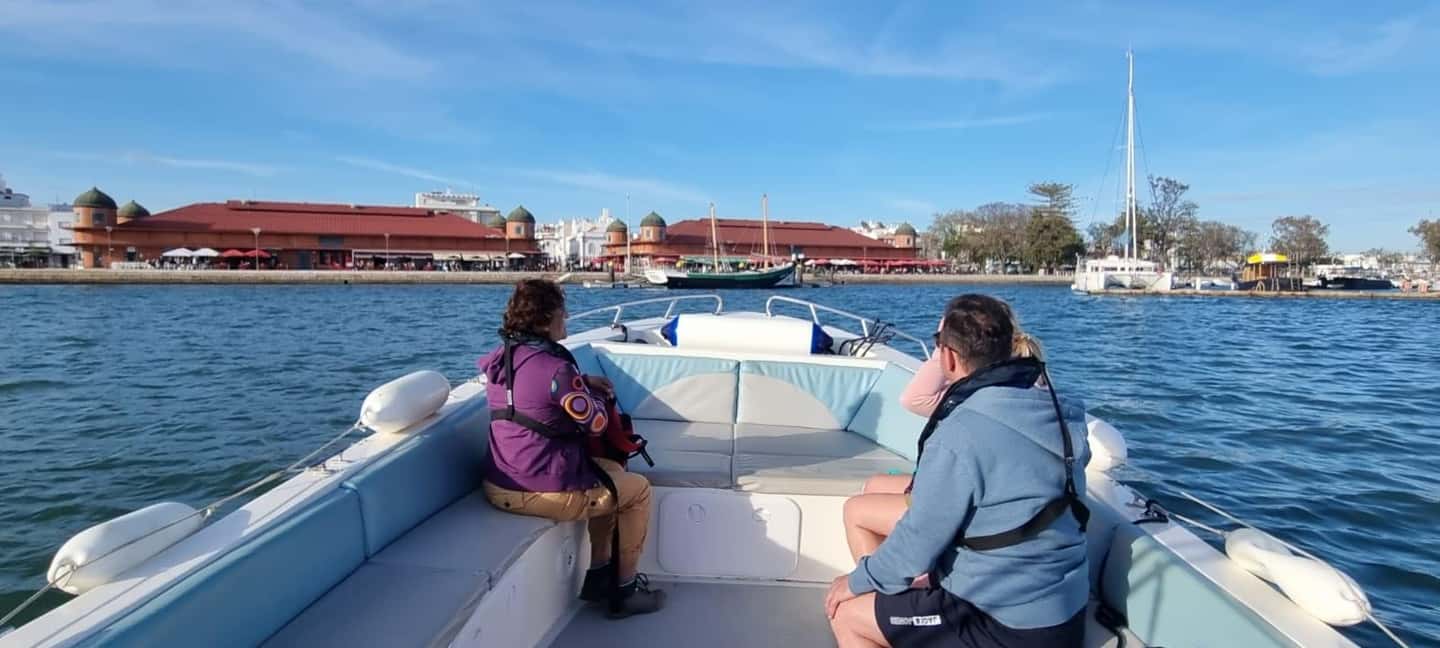
The tour moves like this: you cruise out through the Parque Natural da Ria Formosa area with a short sightseeing block, then more channel time between stops, and a few more short boat segments as you return. Those repeated “on-water” stretches are part of the value. They give you multiple chances to see the lagoon changing around you rather than one long ride.
What to expect on the water:
- birds along the channels (you’ll have time to look and ask questions)
- lagoon views that are different from the mainland
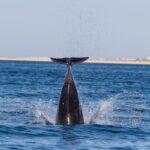
- with some luck, dolphins
I really like the way the guide factor plays into this. When dolphins are sighted, guides are known for taking the time to navigate carefully so you can watch. It’s not about racing past a potential sighting. It’s about slowing down when the lagoon delivers.
And if you’re interested in the “why” behind the scenery, this is where the local guide helps the most. They can connect the ecosystem you’re touring with what you’ll see later on the islands.
Culatra Island: fishing village time (and how not to misjudge the 1 hour)
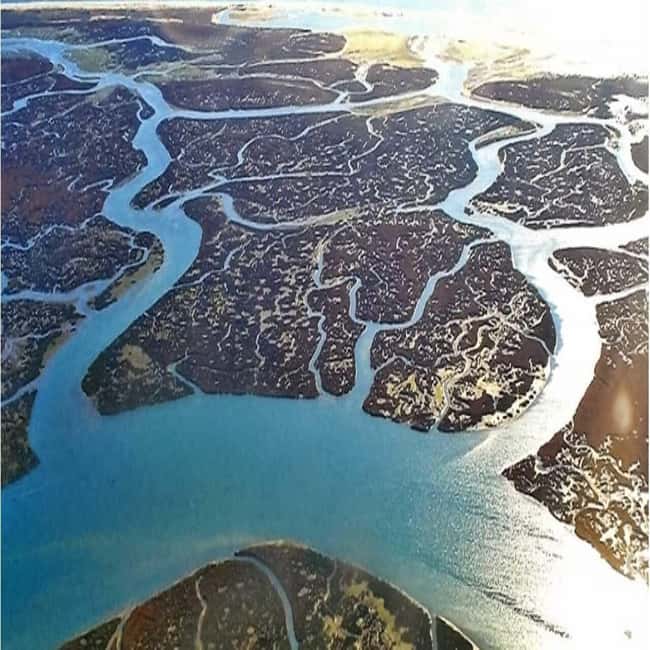
Culatra Island is where the tour turns from pure scenery into real-life community. You’ll have about 1 hour on Culatra with a guided tour plus time to walk and look around.
The big idea here is traditional fishing village life. Culatra sits right in the rhythm of the lagoon, so it’s not just a pretty island stop. It’s a place where you can better understand why the Ria Formosa is protected and how people rely on it.
You may also catch evidence of fishermen working clam and oyster beds, especially if conditions line up with low tide. That’s one of those “timing matters” moments in coastal wetlands. If you go in knowing you might not see it every time, you’ll enjoy the day more.
Is 1 hour enough? For a first taste of Culatra, yes. If you want a beach day, not really. This isn’t designed as a long lounge stop. It’s designed as guided village and lagoon-wetland context, so treat it like a structured visit rather than free time with zero plans.
Ilha do Farol: lighthouse photos and classic Algarve houses
Then it’s on to Ilha do Farol, and this stop has a different vibe. You’ll get a photo stop, then about 1 hour with a mix of guided and self-guided time, including a walk.
The lighthouse is the headline, and yes, it’s the kind of place where you can get nice photos because the area is arranged for sightlines. But what surprised me (and what you’ll likely notice quickly) is the “Algarve-style” neighborhood feel around the lighthouse—typical houses clustered in a way that makes photos easy even when you’re not a photography pro.
This is also where the tour’s pacing gives you breathing room. You get enough time to:
- take lighthouse pics
- stroll at your own speed for a bit
- then regroup for the rest of the lagoon cruise
If you prefer freedom over structure, Farol is your better match in the itinerary. If you prefer “guide-led understanding,” Culatra is where you’ll feel it more.
What the local guide adds (Jaime, Antonio, and the ecosystem talk)
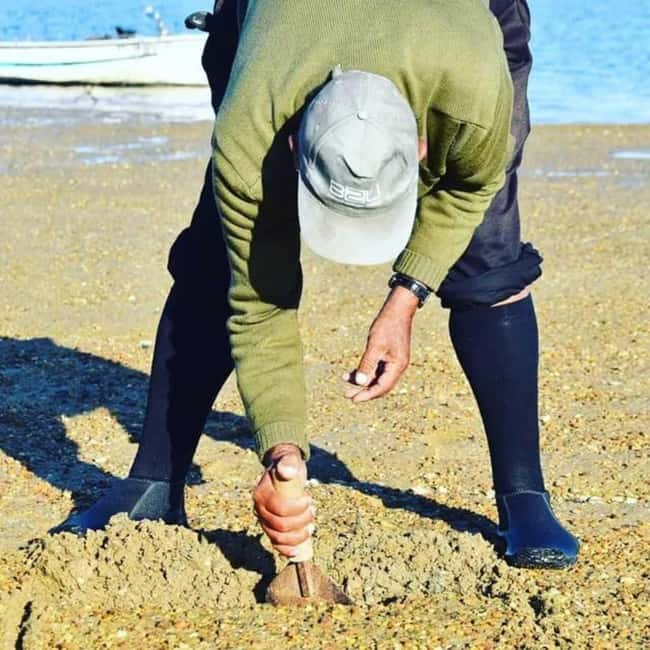
A boat tour can feel generic if it’s just a skipper driving and a guide repeating a few landmarks. This one tends to work better because the guide’s role is clearly central: answering questions, explaining the ecosystem, and taking a careful approach when wildlife shows up.
In the tour experience, you’ll hear stories and explanations tied to what you’re looking at in real time. Guides like Jaime (often described as taking time and answering lots of questions) and Antonio (known for lots of explanation) are a big reason the tour earns strong scores.
What this means for you:
- You’ll know what to look for when birds are flying low or when channels open wider.
- You’ll understand why low tide matters for fishermen and the beds below the surface.
- You’ll get more satisfaction from photos because you’re not just clicking—you’re observing with purpose.
And here’s the underrated part: because the guide knows the ecosystem, you can spend less mental energy guessing and more energy enjoying the scenery.
Price and value: why $35 can be a smart deal here
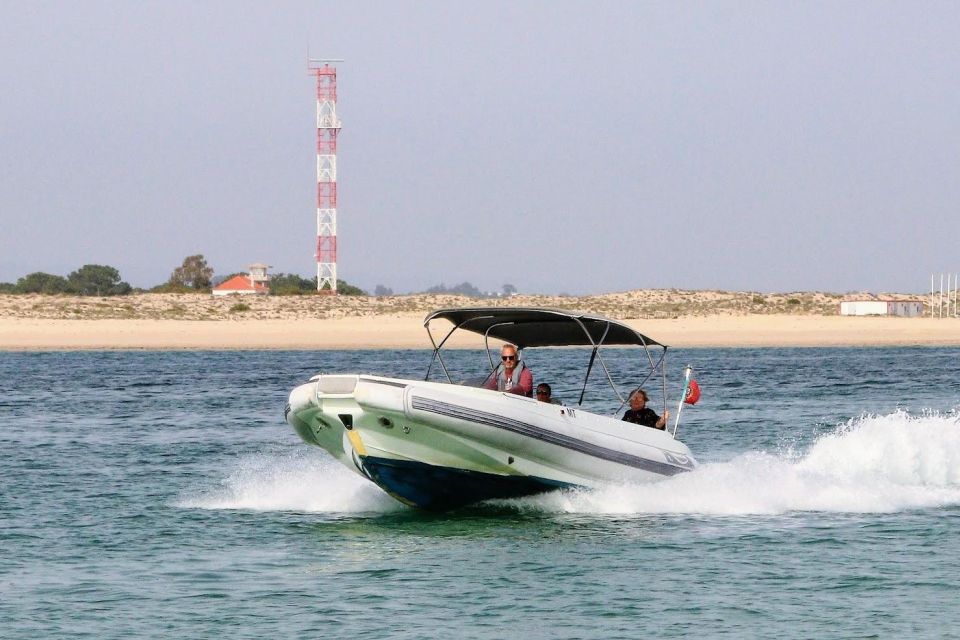
At about $35 per person for roughly 3 hours, this tour sits in the “good value” zone for the Algarve—especially when you compare it to the cost of paying for transport, a guided activity, and a dedicated nature-focused outing.
The value comes from a few practical things you’re actually getting:
- a professional captain and safety gear (life jackets)
- a local guide for ecosystem context
- included waters so you’re not scrambling mid-tour
- two island experiences instead of one quick stop
- multiple lagoon cruising segments where wildlife sightings can happen
Also, the tour is set up for short attention spans. You don’t need to be a hardcore birder to enjoy it. If you like nature, you’ll get birds and wetland views. If you like people and place, you’ll get the fishing village stop. It’s a balanced mix in a compact time window.
What to bring and how to dress for comfort
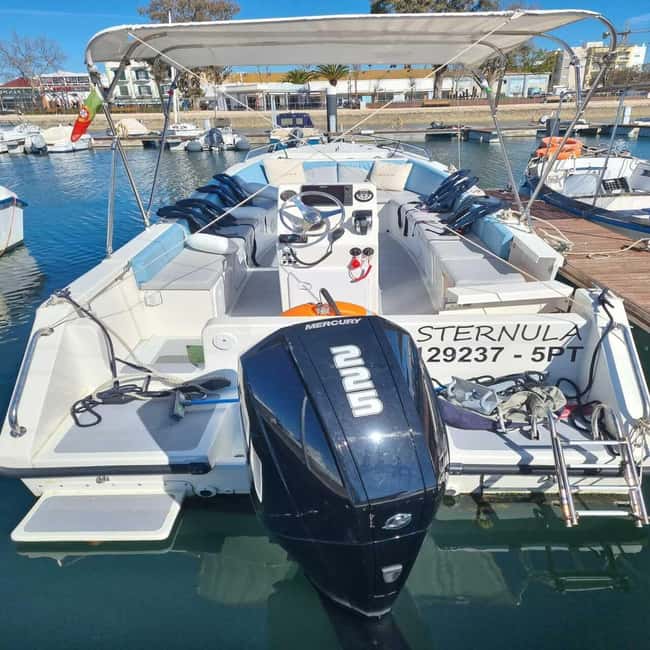
This is a practical boat day. You’ll be wearing life jackets and walking on islands, so don’t fight your outfit.
Bring:
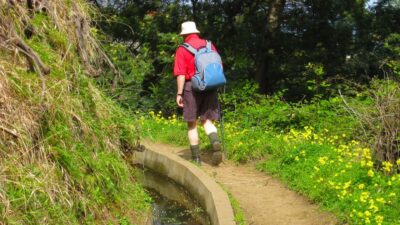
- comfortable shoes (you’ll do walking on Culatra and Farol)
- comfortable clothes (boat air and shade can vary through the day)
If you’re hoping for underwater peeks, you’ll have diving masks included, so you can use them if conditions allow and if you feel like taking a quick look.
If you’re the type who likes to be ready for anything, bring basic sun protection too. The tour is outdoors, and the lagoon doesn’t block sun the way a building does.
Who this tour suits best (and who might want a different plan)
This is a great pick if you want:
- nature without the stress of planning a route
- a guided look at the Ria Formosa ecosystem
- culture in the form of a traditional fishing village visit
- a short half-day activity that doesn’t eat your whole schedule
You’ll probably enjoy it even if you’re not “bird person” level. The guide helps you focus your eyes.
It may be less ideal if you need:
- long beach time (island time is limited)
- fully wheelchair-friendly access (this tour isn’t suitable for wheelchair users)
Should you book the Olhão Ria Formosa two-islands boat tour?
I’d book this if you want an efficient, nature-first Algarve experience that also touches real local life. The combination of the Ria Formosa Natural Park channels, a fishing village stop on Culatra, and the lighthouse-photo time on Farol makes the 3 hours feel purposeful rather than rushed.
One final decision tip: go in expecting a mix of scenery and “maybe wildlife,” not a guaranteed dolphin show. When wildlife does appear, the guide’s habit of taking extra time can make it worth the wait.
If that mix sounds like your kind of day, this tour is a strong match for your Olhão plans.
FAQ
How long is the Olhão Ria Formosa 2 Islands Boat Tour?
The tour lasts about 3 hours.
Where does the tour start?
The meeting point is Kioske Rota Das Ilhas (Rota Das Ilhas – Ria Formosa).
What islands do you visit?
You visit Culatra Island and Ilha do Farol.
Is lunch included?
No, lunch is not included.
What is included in the price?
The tour includes a professional captain, a local guide, life jackets, diving masks, and waters.
Do you provide snorkeling or mask gear?
You’ll be given diving masks as part of the included equipment.
What wildlife can you expect?
You’ll see nature in the lagoon channels, various bird species, and with some luck, dolphins.
Can you see fishermen working during the tour?
At low tide, you may have the chance to see local fishermen working in the clam and oyster beds.
What languages are available for the live guide?
The guide operates in Portuguese, English, Spanish, and French.
Is the tour accessible for wheelchair users?
No, it’s not suitable for wheelchair users.