REVIEW · NAZARE
Nazaré: Dolphin Safari
Book on GetYourGuide →Operated by Atlantic Safaris · Bookable on GetYourGuide
Dolphins are wild, so be ready. This Nazaré dolphin safari is built around finding the best viewing spots with an experienced crew, then learning as you go—so the sightings feel like real nature time, not a check-the-box outing. You might see common dolphins, bottlenose dolphins, harbour porpoises, or striped dolphins, depending on where the animals are that day.
I really like how the guides help you read dolphin behavior in real time. Instead of just pointing and hoping, you get practical insights as you search the water, which makes even a quick sighting feel meaningful. I also like that you’re out there for about 2 hours, long enough for a proper cruise rhythm without turning it into a whole day.
One thing to consider: this is a boat trip on the Atlantic, so rougher seas can affect comfort and sightings. If you’re prone to seasickness, this one may not be your best plan.
In This Review
- Key things to know before you go
- Why Nazaré is a strong choice for dolphin watching
- Meeting at Avenida Manuel Remígio: start simple and be ready
- The early cruise and safety briefing: how the trip stays smooth
- Marine life viewing: learning behavior as you scan the water
- Dolphin watching moments: bow waves, leaps, and close-up grace
- Weather, waves, and comfort: plan like a sailor for 2 hours
- Species you can hope for (and why it still counts if you see less)
- Price and value: is $58 worth it for a 2-hour cruise?
- What to pack, what’s not allowed, and how to stay comfortable
- Who should book, and who should skip this dolphin safari
- Should you book Nazaré: Dolphin Safari?
- FAQ
- How long is the Nazaré dolphin safari?
- Where does the tour start?
- What’s included in the price?
- Are food and drinks included?
- What languages is the live guide available in?
- What should I bring?
- Is the tour suitable for people prone to seasickness?
- Are there rules about touching marine life?
- What dolphins might I see?
Key things to know before you go
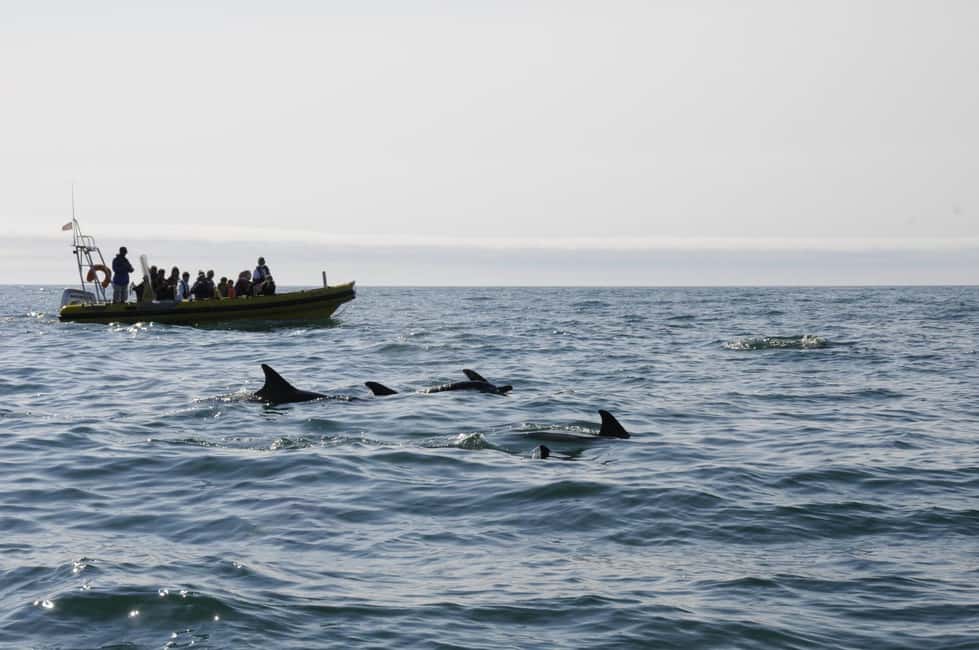
- Guided spotting, not guesswork: the crew steers you toward promising areas and talks behavior along the way.
- Wildlife variety is the goal: you may encounter multiple species, not just one.
- Action can happen fast: expect chances of dolphins riding bow waves or leaping out of the water.
- Weather matters: you should be prepared for changes and bring a layer.
- Deck rules keep it respectful: no touching marine life and no smoking.
- Practical gear is included: a windbreaker is provided, plus you should bring sunscreen and water.
Why Nazaré is a strong choice for dolphin watching
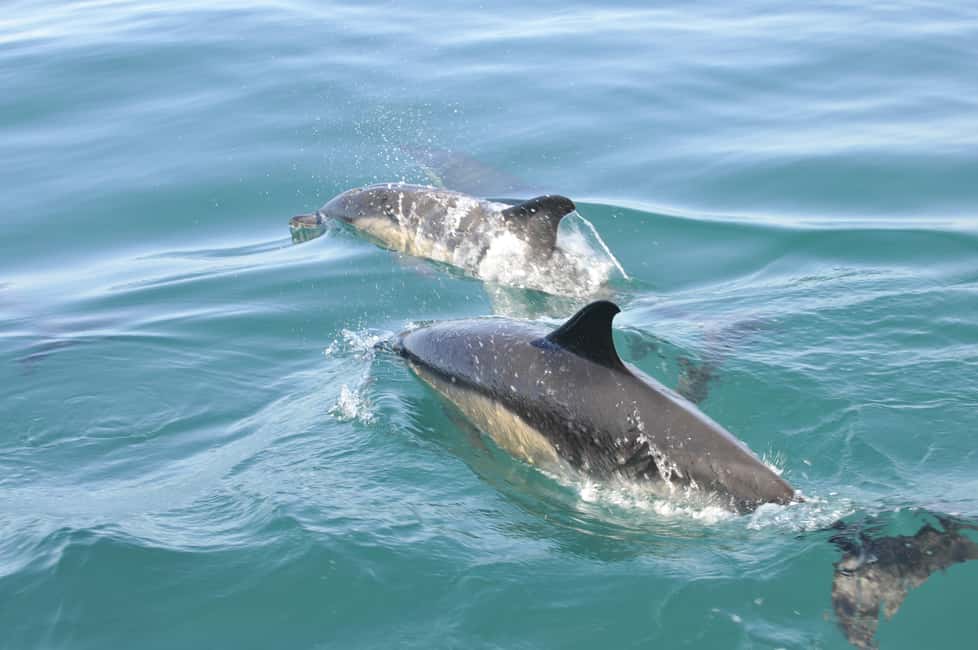
Nazaré sits on the Portuguese coast where the ocean can be lively, which is exactly the kind of setting dolphins tend to use for feeding and travel. The key detail here is that this isn’t presented like an aquarium-style experience. It’s a real-world cruise where you’re going out with an experienced crew to look for marine life and take guidance on where to focus.
What makes this outing feel worthwhile is the mix of two things: you’re actively searching, and you’re learning what you’re seeing. When you can put names and behaviors to what pops up near the boat—like dolphins moving near the surface—it turns a brief glimpse into a story you can actually follow.
Species you might encounter are listed clearly, which helps you set expectations: common dolphin (Delphinus delphis), bottlenose dolphin (Tursiops truncatus), harbour porpoise (Phocoena phocoena), and striped dolphin (Stenella coeruleoalba). You shouldn’t assume you’ll see all of them. But you will understand the possibilities as you watch.
A few more Nazare tours and experiences worth a look

Meeting at Avenida Manuel Remígio: start simple and be ready
Your starting point is Avenida Manuel Remígio. This is handy because it gives you one main address to plan around, and it keeps things straightforward. When the tour starts, the cruise portion begins right after you get oriented.
In practical terms, I’d treat the meeting moment like a quick reset before you hit open water. Use that time to put on your sunscreen, top up water if you brought it, and adjust your jacket. This is also the moment to make sure you’ve got everything you want in reach, because once you’re moving, you’ll be focused on watching the sea.
The early cruise and safety briefing: how the trip stays smooth
The itinerary rhythm is simple: cruise out of Nazaré, then a safety briefing before the main watching. That matters because when you’re trying to spot fast-moving animals, distractions hurt. The briefing helps you know what to do so everyone stays safe while you scan the water.
From a comfort standpoint, the first minutes are when you learn how the boat moves. If you’ve never been on a small or working-style boat cruise, this is where you figure out how your body reacts. I’d keep your expectations realistic: your goal is to enjoy the ride while you hunt for sightings, not to treat it like a luxury ferry.
The crew also works as your living navigation tool. They guide you to the best spots for viewing, which is a big part of the value. You’re not just along for the trip—you’re participating in the search, with guidance.
Marine life viewing: learning behavior as you scan the water
During the marine life viewing phase, you’re not only looking for movement. You’re learning what to look for so your eyes work better. The experience includes guided insights into dolphin behavior, which means you’ll hear explanations that make the sightings easier to interpret.
This is where the tour becomes more than a generic whale-or-dolphin hunt. If you understand basic behavior—how dolphins move, when they surface, how they travel near the bow or in groups—you spend less time staring blankly at open water.
Also, this part of the experience helps you handle the natural uncertainty of wildlife watching. Dolphins and porpoises don’t have schedules. They appear when they’re in range, and the crew tries to find those chances. When you know what you’re looking for, you can appreciate the near-misses too—like seeing the kind of water activity that often precedes a sighting.
Dolphin watching moments: bow waves, leaps, and close-up grace
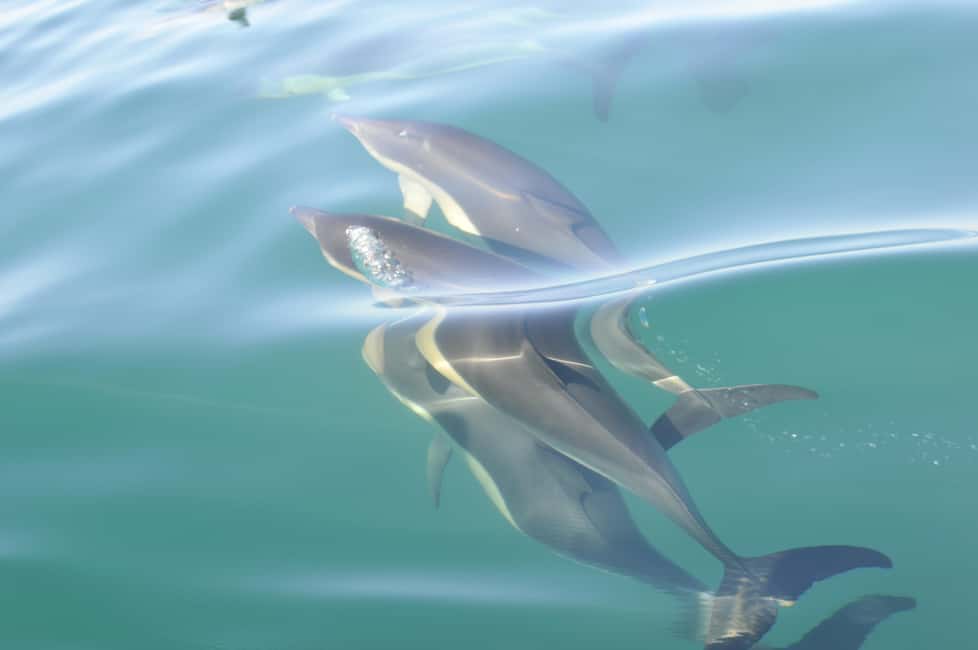
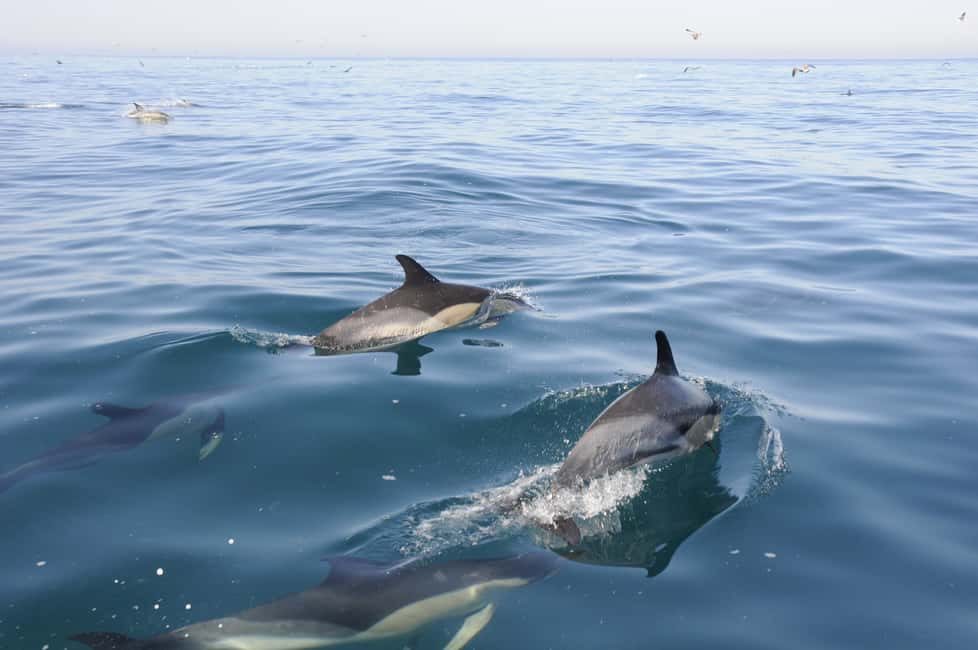
This is the heart of the tour: dolphin watching. The highlights set the expectation that you might see dolphins riding the bow waves or even leaping out of the water. Those are exactly the moments that feel magical because they show personality, not just presence.
When dolphins interact with the moving boat—especially around bow waves—it gives you a clearer view of speed, direction, and body language. A bow-wave ride is also a reminder that dolphins are built for the ocean’s motion. They’re not just floating; they’re maneuvering through currents and waves like they own the place.
One more important point: this tour is structured around watching in their natural habitat, and there are rules that reflect that. You’re not allowed to touch marine life. That protects the animals and keeps the experience ethically grounded. It also means your best viewing is your camera—or your eyes—no grabbing, no risky leaning.
And yes, on some days the ocean is calm and sightings are clearer. On other days, you may feel like you’re scanning more than you’re seeing. Still, when a dolphin pops up close, it resets your whole trip.
You can also read our reviews of more dolphin watching tours in Nazare
Weather, waves, and comfort: plan like a sailor for 2 hours
Even with the best crew and best intentions, the ocean can change fast. The tour notes that you should be ready for weather changes, and that’s not just small talk. Weather affects visibility, boat movement, and how comfortable you feel scanning for fins and splashes.
A windbreaker is included, which helps in the windier moments—especially when you’re out at sea and the air cools. But a windbreaker isn’t the same thing as a warm winter jacket, so I’d still plan to bring a jacket and dress in layers you can adjust.
Comfort on deck is worth thinking about. One experience I’d flag from the feedback: some people found the seating not super comfortable, describing pain from the way they were seated on the boat. That doesn’t mean every boat or every trip will feel the same, but it does tell you to expect a working-boat style rather than a couch-on-rails setup.
If you’re sensitive to motion, this is also where the warning matters: it’s not suitable for people prone to seasickness. If that’s you, don’t gamble on willpower. Pick a calmer activity on land or look for a different sort of marine experience.
Species you can hope for (and why it still counts if you see less)
The tour lists a handful of possible species: common dolphins, bottlenose dolphins, harbour porpoises, and striped dolphins. That’s useful because it gives your brain something to match while you watch.
Here’s the reality you should accept going in: sightings depend on where the animals are and what the sea conditions allow. The “value” of this tour isn’t in guaranteeing a checklist. It’s in how the crew actively searches and how the guidance helps you make sense of what you encounter.
You’ll likely feel more satisfied if you mentally shift from count-based expectations (how many species) to quality-based ones (did you see dolphins clearly, did you get close enough for memorable behavior, did you learn something). That’s how the experience pays off even when the ocean isn’t cooperating.
Price and value: is $58 worth it for a 2-hour cruise?
At $58 per person for about 2 hours, the price lands in the midrange for guided wildlife cruises. Whether it’s a smart buy comes down to what you value.
If you want an organized outing with a real guide, the included crew insights, and the boat ride itself, $58 is often reasonable—especially with the windbreaker included. You’re paying for:
- guided spotting and direction to likely areas
- interpretation of dolphin behavior while you’re out there
- a short, focused trip length that doesn’t eat your whole day
If your expectation is a guaranteed sighting every time, that’s where disappointment can happen with any marine-watching cruise. Dolphins are wild. On some trips, you’ll see dolphins clearly; on others, sightings can be missed or limited. That said, the tour is designed to maximize your chances by going to the best spots with an experienced crew.
My practical advice: treat this as a nature outing with guidance, not as a guaranteed animal encounter. If you can hold that expectation, you’ll feel the value more easily.
What to pack, what’s not allowed, and how to stay comfortable
This trip asks for a simple kit, and it’s smart. Here’s what you should bring:
- Sunscreen
- Water (and your own snacks if you want them)
- Jacket for wind and weather shifts
And here’s what you should not do:
- no smoking
- no touching marine life
The tour also doesn’t include food and drinks, so if you get hungry, you’ll want to bring your own. A couple of snacks in your bag can make the last half of the tour feel easier, especially if you’re out in sun and wind for the full 2 hours.
Clothing-wise, go comfortable and boat-friendly. You’ll want something you can move in, and shoes that don’t slip. You’re here to watch dolphins, not fight with your outfit.
Who should book, and who should skip this dolphin safari
This is a great match if:
- you love animals and want to understand behavior, not just take photos
- you’re comfortable on boats and can handle some wind
- you want a guided outing in Nazaré’s coastal area that’s short and focused
It’s not the best match if:
- you’re prone to seasickness (the trip explicitly flags this)
- you need a very cushy, totally calm experience on deck
If you’re traveling as a couple or solo, this type of short cruise can be ideal because you get a strong nature moment without committing to a full day. Families might enjoy it too, as long as everyone can handle the sea motion and stays comfortable scanning for fins.
Should you book Nazaré: Dolphin Safari?
I’d book this if you want a guided, ethical dolphin-watching cruise where the crew helps you understand behavior, and you’re okay with the natural uncertainty of wildlife. The best version of this experience is when the ocean lines up with the crew’s search and you get those bow-wave rides and clean, up-close moments.
I’d skip it if motion affects you badly, because comfort can be an issue on boat trips and it’s not designed for seasickness-prone travelers. And I’d go in with one clear mindset: dolphins are not guaranteed on demand, but guidance and smart searching improve your odds.
If you want a short, hands-on wildlife outing from Nazaré and you’re prepared for wind and waves, this is a solid choice.
FAQ
How long is the Nazaré dolphin safari?
The experience lasts 2 hours.
Where does the tour start?
It starts at Avenida Manuel Remígio in Nazaré.
What’s included in the price?
Included are the dolphin watching tour, an experienced crew, guided insights into dolphin behavior, and a windbreaker.
Are food and drinks included?
No. Food and drinks are not included, so bring your own if you want snacks or water beyond what you carry.
What languages is the live guide available in?
The live tour guide is available in Portuguese, English, and Spanish.
What should I bring?
Bring sunscreen, water, and a jacket. The weather can change, and it can be windy on the water.
Is the tour suitable for people prone to seasickness?
No. The tour is not suitable for people prone to seasickness.
Are there rules about touching marine life?
Yes. Touching marine life is not allowed.
What dolphins might I see?
The tour notes possible sightings of common dolphins (Delphinus delphis), bottlenose dolphins (Tursiops truncatus), harbour porpoises (Phocoena phocoena), and striped dolphins (Stenella coeruleoalba).