REVIEW · GUIMARAES
Guimarães: Castle of Guimarães Entry Ticket
Book on GetYourGuide →Operated by GetYourGuide Tours & Tickets GmbH · Bookable on GetYourGuide
One fortress and a whole nation’s origin. The Castle of Guimarães is small but powerful, and it really sticks to Portugal’s early story—UNESCO status and the birthplace of Portugal theme are right there as you walk the walls. I love how the route feels simple to follow while still giving you real stops: the keep, the battlements, and the chapel area. One thing to consider: if you’re expecting a massive, multi-hour fortress with lots of rooms, you may feel it’s a bit pared down.
My favorite part is the payoff you get from the physical layout. From the battlements you get wide views over Guimarães, and the chapel of São Miguel do Castelo is a focused, meaningful stop connected to Afonso Henriques. I also like that the visit isn’t only stone; the castle’s displays and exhibits help you understand who lived here and why it mattered. The main drawback is that the experience leans more toward self-guided history stations than a guided, blow-by-blow tour.
If you go in with the right expectations—comfortable shoes, a steady pace, and curiosity about legends—you’ll get a satisfying day. Just plan for the practical side: last entry is 5:30 pm, and it’s closed on several key dates.
In This Review
- Key things to notice before you go
- Why the Castle of Guimarães is more than old walls
- Entering: the keep and the quick way to get your bearings
- Battlements and panoramic views that actually change your perspective
- The chapel of São Miguel do Castelo and Afonso Henriques
- Exhibits, displays, and reading the castle like a story
- Planning your 1-day visit: hours, last entry, and closed dates
- Price and value: what $5 gets you (and what it doesn’t)
- Best times and pacing tips for a calm, meaningful visit
- Who should book this ticket, and who might want something else
- Quick FAQ on visiting the Castle of Guimarães
- FAQ
- How much is the Castle of Guimarães entry ticket?
- How long is the visit?
- What’s included with the ticket?
- Is a personal tour guide included?
- What are the opening hours?
- What dates is the castle closed?
- Are pets allowed?
- Is the ticket refundable?
- Does the ticket have to be used within certain times?
- Where is the castle located?
- Should you book the Castle of Guimarães ticket?
Key things to notice before you go
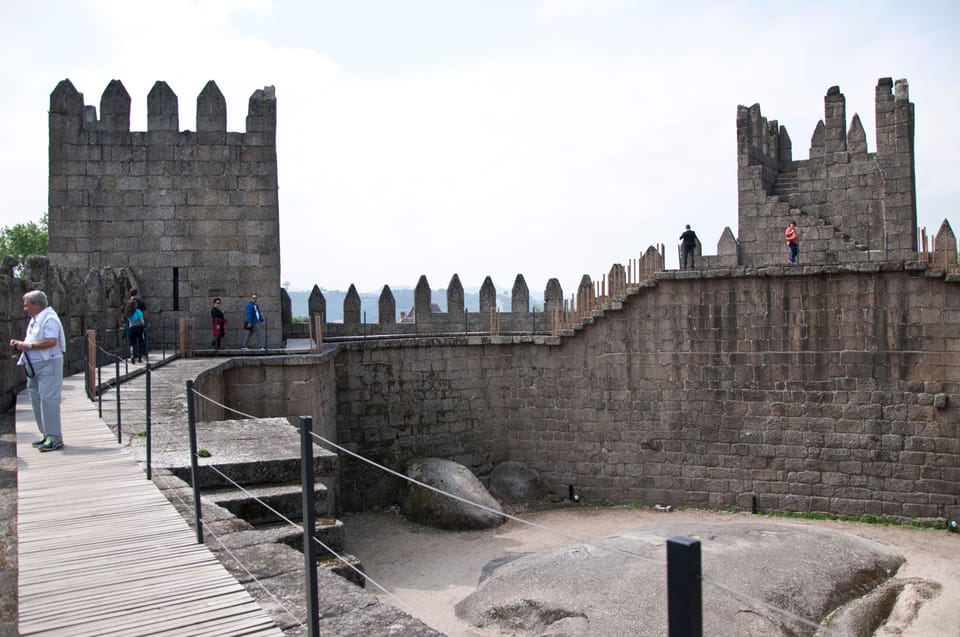
- Battlements views: You’ll get the best “pause and look” moments from the wall-walk areas.
- Keep (tower) height: The keep is the tallest structure, so it helps you read the whole fortress.
- São Miguel do Castelo chapel: A compact Romanesque church tied to Portugal’s first king.
- 10th-century context: The castle’s age gives the exhibits weight, not just decoration.
- Legends and myths: Story elements add a fun layer when the stones start feeling too quiet.
Why the Castle of Guimarães is more than old walls
Guimarães Castle is the kind of place that explains why a country forms. This medieval fortress, built in the 10th century, is widely tied to the birthplace of Portugal idea, and that context makes your walking route feel purposeful. You’re not just touring a viewpoint—you’re inside the setting for the early formation of a Portuguese identity.
What I like most is that the castle doesn’t try to be everything at once. The experience keeps pulling you back to a core set of ideas: power, defense, religion, and local life over time. The exhibits help connect the walls you’re standing on with the people who once lived and guarded them. If you enjoy history you can physically sense—thick walls, watch points, and the logic of where buildings were placed—you’ll feel “oriented” fast.
Also, UNESCO World Heritage status isn’t just a stamp on a sign. It’s a reminder that this is preserved because it matters, which makes you treat it with more respect and attention as you go.
A few more Guimaraes tours and experiences worth a look


Entering: the keep and the quick way to get your bearings
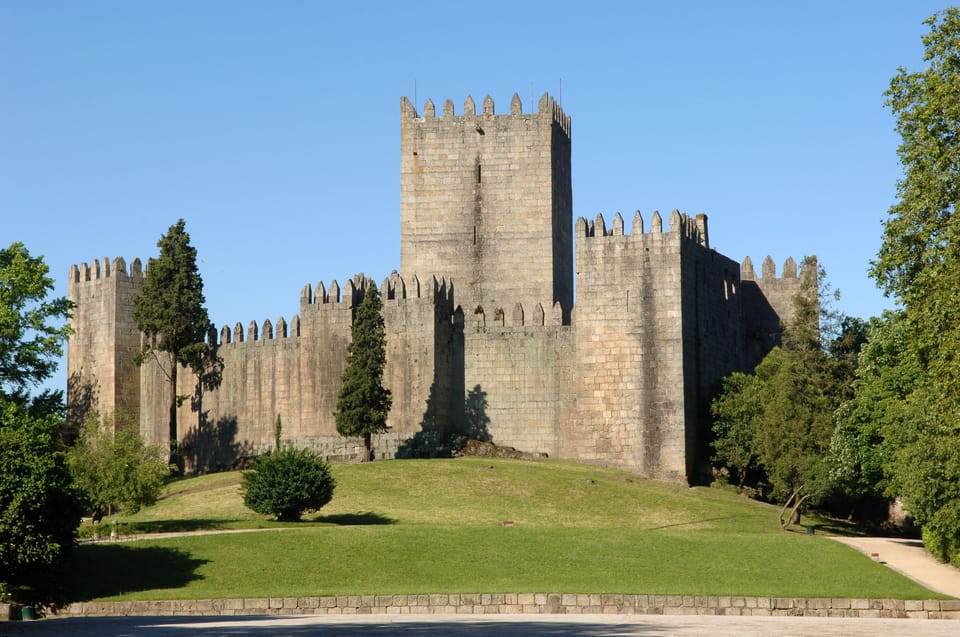
Your visit typically begins at the main entrance, where the keep rises above the rest. The keep is the tallest structure in the castle, and it’s a practical anchor for the whole visit. Before you head into the smaller sections, take a moment to look up and around. You’ll start noticing how the walls, towers, and open areas connect.
From there, the experience is a steady walk through the castle’s different sections—towers and walls first, then the areas that offer the best panoramas. This is where comfort shoes matter. Even though the visit is “one day,” the walking is real, and the ground can be uneven once you’re moving along the fortress edges.
If you like self-guided visits, this part works well. You don’t need a complicated plan. You can just follow the castle’s natural logic: higher points first, then wall-walk views, then the chapel and story stations.
Battlements and panoramic views that actually change your perspective
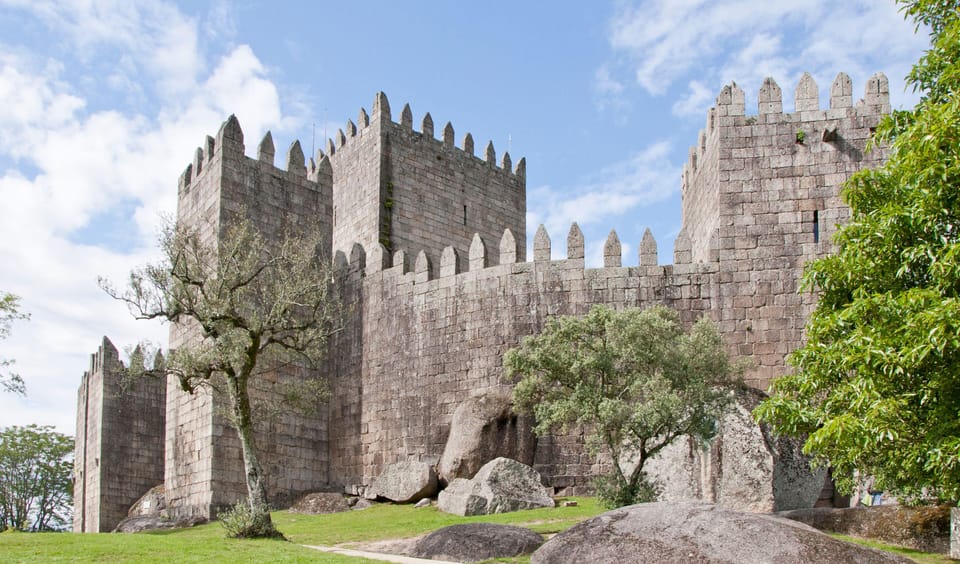
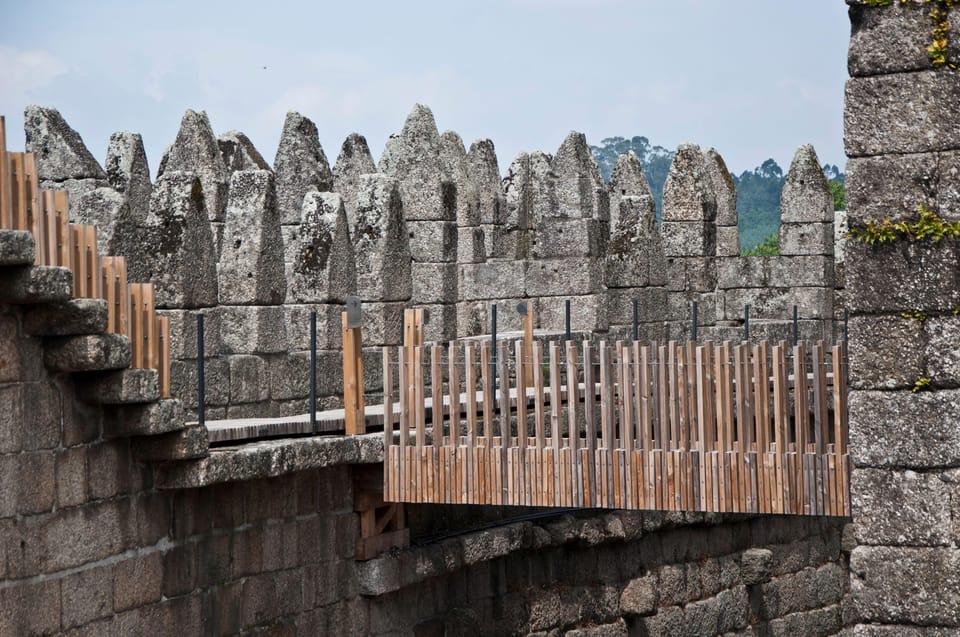
One of the biggest reasons to buy a ticket is the access to the battlements. As you approach those wall-walk areas, the castle shifts from “historic site” to “lived-in viewpoint.” The panoramas let you understand why fortresses were built where they were—visibility is power.
I recommend you slow down at the edges. Don’t treat the views like a quick photo stop. Use the height to figure out the castle’s relationship to the surrounding city and valleys. Even if you’re not a geography nerd, the view helps you make sense of the defense angle behind the stone.
And because the castle visit is one day and the route is manageable, you can time your view breaks without feeling like you’re stuck in a half-day line. Go earlier in the day if you can, and you’ll likely have an easier rhythm for looking and re-looking.
The chapel of São Miguel do Castelo and Afonso Henriques
The chapel of São Miguel do Castelo is a small Romanesque church located within the castle grounds. It’s one of those stops that changes the mood of the site. After you’ve been thinking about walls and watching points, the chapel brings religion and ceremony into focus.
The reason this chapel matters is the tradition that it’s the believed site where Afonso Henriques—often described as Portugal’s first king—was baptized. You don’t have to know everything going in. The point of the stop is that it gives the castle a personal, human link to the origin story.
For me, the value here is how compact the experience is. You can give the chapel the attention it deserves without it turning into a long, exhausting detour. It’s the kind of stop that works well for families too, because it’s specific and understandable: a church, a location, a named historical figure tied to the narrative.
Exhibits, displays, and reading the castle like a story
Inside the castle grounds, informative displays and exhibits help explain what you’re seeing. This is important because castles can otherwise turn into “pretty walls” if you don’t have context. Here, the story framing covers how people lived and worked—royalty, soldiers, and the everyday realities implied by a fortress.
I like that the castle doesn’t ask you to memorize dates. Instead, it tries to connect the structure to roles. When you look at a tower or a wall section after seeing an exhibit, your brain makes the connection faster. That’s what makes the self-guided part feel less like wandering and more like walking through a timeline in physical form.
There’s also space for legends and myths associated with the castle. Even if you treat them as folklore rather than strict fact, they add intrigue. They make the visit feel less like a lecture and more like a lived setting where stories grew over time.


Planning your 1-day visit: hours, last entry, and closed dates
This ticket works for a valid 1 day visit. The castle is open Monday to Sunday from 10:00 am to 6:00 pm, and last entry is 5:30 pm. That last-entry timing matters more than people think. Don’t schedule your “big viewpoint part” at the last possible hour, or you’ll be stuck rushing.
Closed days are also worth planning around:
- January 1
- Easter Sunday
- May 1
- June 24 (city holiday)
- December 25
If your trip lands near one of those dates, you’ll want to confirm your plan early. Missing the opening by a day can turn a simple half-day stop into a problem.
One more practical point: the castle is walking-focused. Wear comfortable shoes. You’ll enjoy the visit more when you’re not negotiating sore feet while trying to think about 10th-century defense logic.
Price and value: what $5 gets you (and what it doesn’t)

The entry ticket price is listed as $5 per person, plus a booking fee. That’s genuinely strong value for a UNESCO World Heritage site that connects to Portugal’s origin story. The overall experience is short enough to feel efficient, but it still gives you the main ingredients: key structures, views, and interpretive displays.
Just be honest with what you’re buying. This is not a theater performance, and it’s not a private guided tour. A personal tour guide is not included, so the experience depends on what you choose to read and how you pace yourself.
If you’re the type who likes to ask questions and get answers on the spot, you might want to pair this visit with a guide option elsewhere. If you’re comfortable exploring at your own pace, this ticket is a sweet spot.
Best times and pacing tips for a calm, meaningful visit
I’d plan a day that starts with energy, not fatigue. Because the last entry is 5:30 pm, you don’t want to run late and lose the best light for the battlements. Aim to arrive earlier in the opening window if possible.
Then pace your visit like this:
- Start with the main entrance area and keep orientation from the keep.
- Move through the tower-and-wall sections before your view breaks.
- Save the battlements for when you can slow down and actually take in the panoramas.
- Finish with the chapel and story-driven exhibits.
This order keeps your understanding tight. You’ll see the castle structures first, then get the meaning, then land with the origin-story stop at the chapel.
Who should book this ticket, and who might want something else
This visit is a great match if you want:
- a clear self-guided historical stop with real structure and viewpoints
- a strong “Portugal origin” connection
- a walk that you can finish in one day without overplanning
It’s also a good fit for people who like medieval architecture but don’t want a long day of constant museum-style reading.
Who might feel underwhelmed? If you need a huge fortress complex packed with lots of separate rooms and activities, this may feel simpler. The castle is described as small and easy to grasp, so it won’t try to stretch your day with endless stops.
Think of it as a focused, satisfying heritage walk, not a full-day theme park.
Quick FAQ on visiting the Castle of Guimarães
FAQ
How much is the Castle of Guimarães entry ticket?
The price is listed as $5 per person, with a booking fee included.
How long is the visit?
The activity duration is 1 day, and the ticket is valid for 1 day.
What’s included with the ticket?
You get entry to the Castle of Guimarães and the booking fee.
Is a personal tour guide included?
No. A personal tour guide is not included.
What are the opening hours?
Monday to Sunday, 10:00 am to 6:00 pm. Last entry is 5:30 pm.
What dates is the castle closed?
It’s closed on January 1, Easter Sunday, May 1, June 24 (city holiday), and December 25.
Are pets allowed?
Pets are not allowed. Assistance dogs are allowed.
Is the ticket refundable?
No. The activity is non-refundable.
Does the ticket have to be used within certain times?
It’s valid for 1 day, and you should check availability to see starting times.
Where is the castle located?
It’s in Portugal’s Norte Region.
Should you book the Castle of Guimarães ticket?
I’d book it if you want a compact, high-value history stop tied to Portugal’s early story. For $5 plus a booking fee, you get the essentials: medieval structures, wall-walk viewpoints, a chapel connected to Afonso Henriques, and exhibits that help you connect stone to people.
I wouldn’t book it as your only big activity if you’re craving a long, room-by-room deep site with a lot of guided attention. In that case, plan to be your own guide—read the displays, slow down on the battlements, and give the chapel a real moment.
If you’re visiting Guimarães and want one strong heritage stop that fits into a 1-day plan, this ticket is an easy yes.