REVIEW · SALVATERRA DE MAGOS
Escaroupim: 1 hour boat trip, guided tour
Book on GetYourGuide →Operated by Promartur - Cruzeiros no Tejo · Bookable on GetYourGuide
On the Tagus, culture and wildlife share the same deck. This 1-hour guided bateira cruise from Escaroupim mixes nature spotting with clear explanations about the Avieiros fishing world on the river.
I love two things most: you get real birdwatching opportunities and you also learn what the river meant for working families, including stilt houses and boat life. The guide work feels organized, calm, and focused on what you’re seeing right then.
One consideration: if you use a wheelchair, access can depend on tide times, so you’ll want to coordinate ahead with the operator.
In This Review
- Key highlights worth planning for
- Why Escaroupim feels different from a typical 1-hour river ride
- What you’ll experience during the 1-hour cruise on the Tagus
- The start at Largo dos Avieiros
- The route: estuary views plus guided interpretation
- Mid-cruise moments you’ll remember
- Birds, free horses, and the seasonal thrill of spotting wildlife
- Birds you might spot
- Free horses up close
- Why this wildlife element is practical
- Avieiros culture on the water: stilt houses, fishing life, and the Palhota connection
- Migratory currents and why Avieiros followed the Tagus
- Living on stilt houses and boats
- Passing Palhota and the book tie-in
- Museums and Royal Falconry access: turning your ticket into more than just the cruise
- Rio Museum and Casa Típica Avieira (Escaroupim)
- Royal Falconry of Salvaterra de Magos
- Price and value: is $15 per person actually a good deal?
- Logistics that matter: meeting point, transfers, and the wheelchair tide reality
- Where you meet
- What’s included vs. not included
- Wheelchair access and tide timing
- Who should book this Escaroupim Tagus boat trip
- Final verdict: should you book it?
- FAQ
- How long is the Escaroupim boat trip?
- Where do I check in for the trip?
- Is the tour guided, and what languages are offered?
- What wildlife might I see on the Tagus?
- Is the price per person and how much is it?
- What attractions are included besides the boat ride?
- Is food and drink included?
- Is it wheelchair accessible?
- What if I need to cancel?
Key highlights worth planning for
- Birds on the Tagus: herons, ibises, kites, ospreys, bee-eaters, and more depending on the season
- Close-up horses: you may spot free horses near the river
- Avieiros storytelling on the water: stilt houses, fishing life, and how people followed migratory currents
- Palhota and Alves Redol: the route passes the village tied to the book dos Avieiros (1942)
- Fish “jumping” and river islets: you get those memorable estuary moments from mid-river
- Add-on culture access: museum entry options at Rio Museum, Casa Típica Avieira, and the Royal Falconry of Salvaterra de Magos (subject to availability)
Why Escaroupim feels different from a typical 1-hour river ride
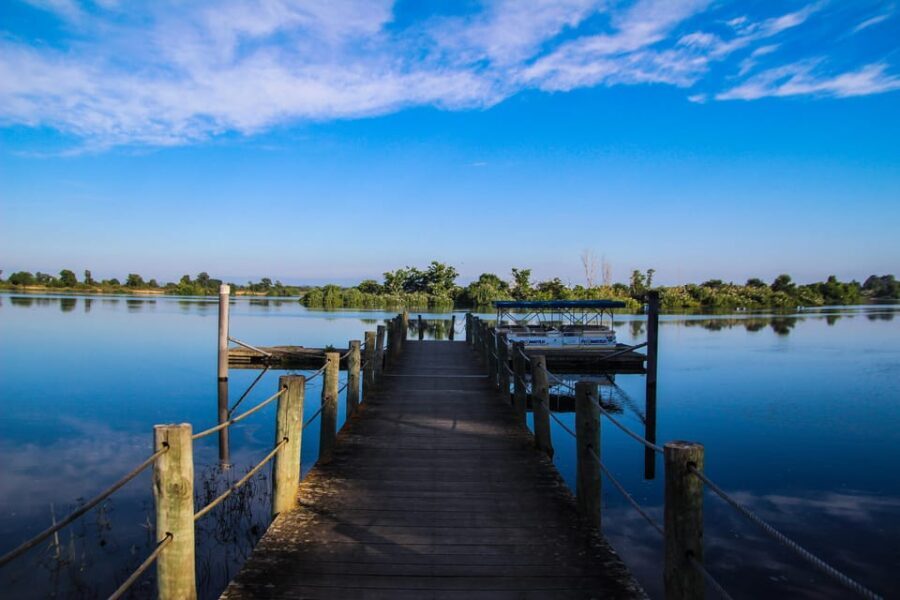
A one-hour boat trip can easily feel like a scenic loop with little context. This one doesn’t. You’re on the Tagus River in Portugal’s Santarém District, but the guide keeps tying what you see to how people used the estuary—especially the Avieiros—and how that fishing culture shaped the river landscape.
If you care about nature, the cruise gives you a practical way to look for wildlife: the guide points out species and habitat cues while you’re moving slowly through the Tagus’ quieter corners. If you care about culture, you’re not just hearing general history. You’re getting the story of working life—how families lived on the water and how their livelihood depended on the rhythm of the river.
There’s also a nice “value stack” to this experience. The boat is only one piece. Your ticket also includes access to cultural stops on land (when available), which helps you turn a short excursion into a fuller half-day, depending on timing.
What you’ll experience during the 1-hour cruise on the Tagus
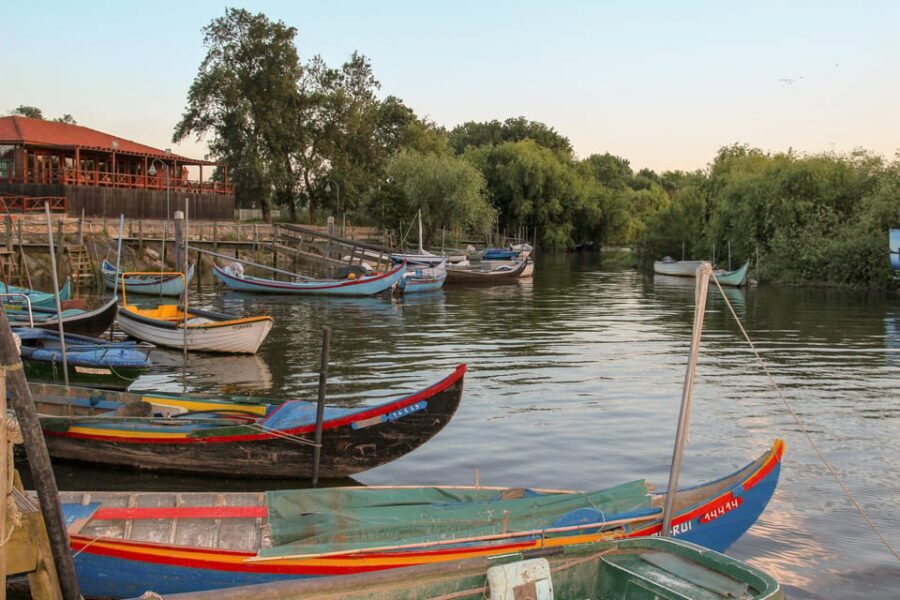
This trip is built around a simple promise: spend 1 hour on the water with a live guide and explanations in Portuguese and English. The goal isn’t speed. It’s time to watch, listen, and connect the dots between the estuary’s features and the human stories tied to it.
The start at Largo dos Avieiros
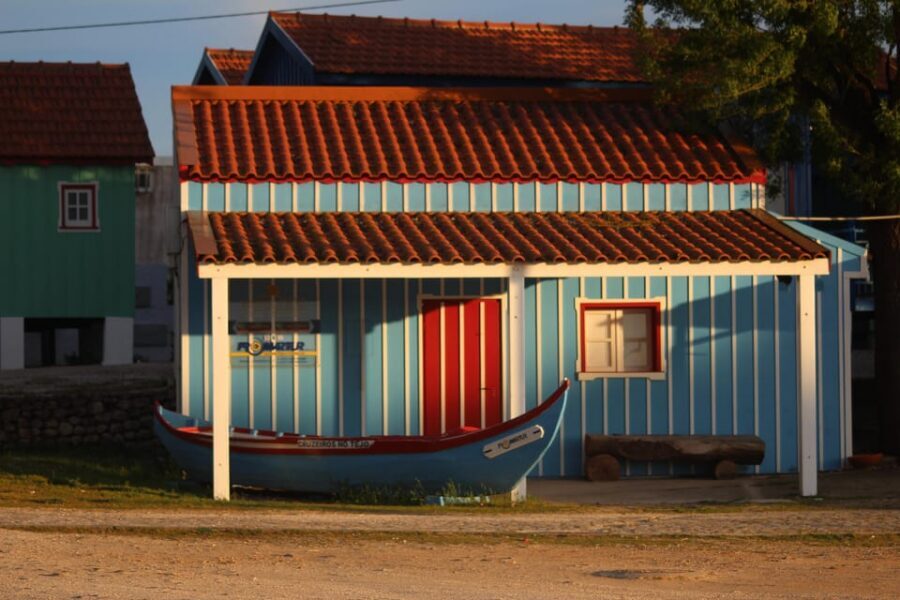
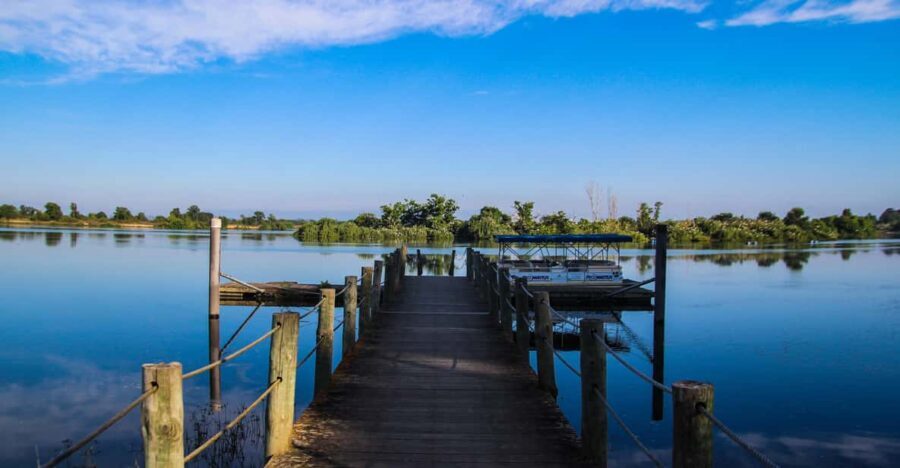
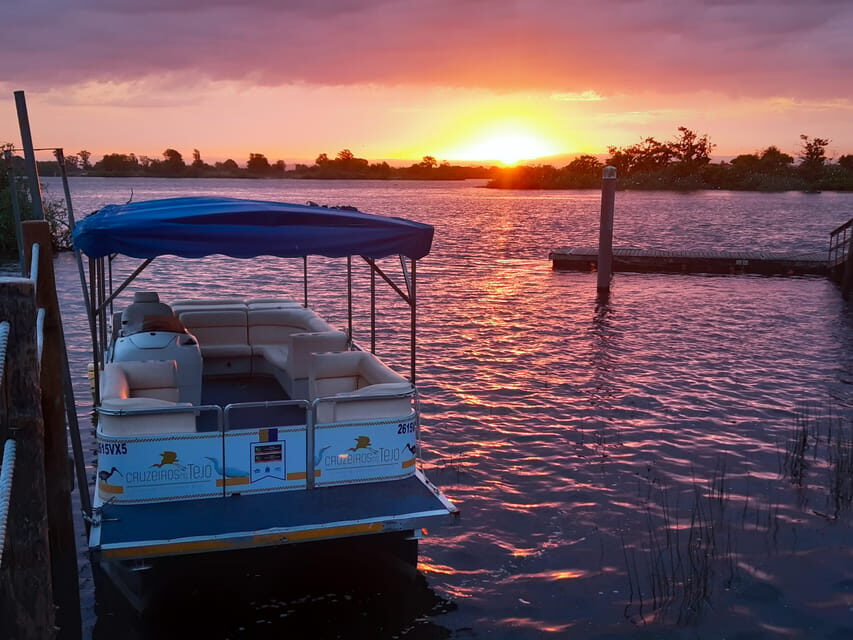
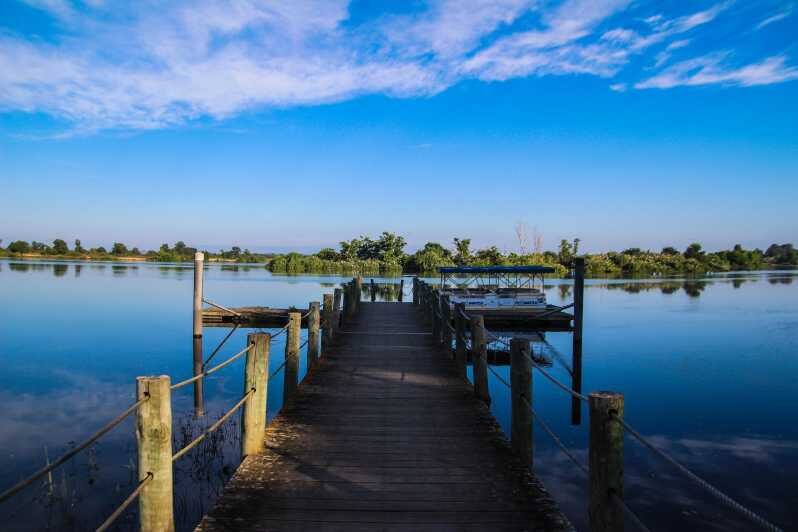
You check in at the blue house with white stripes near Largo dos Avieiros, where you’ll see the boat bateira. It’s an easy handoff point, and it helps keep the whole experience smooth for everyone on the group.
The route: estuary views plus guided interpretation
As you sail, the guide explains what you’re seeing along the Tagus. You’ll learn about the Avieiros and their migratory currents—how fishing wasn’t random, but linked to the movement of resources through the river system.
You also pass through Palhota, a village connected to dos Avieiros, a book by Alves Redol released in 1942. That detail matters because it anchors the Avieiros story in a real place you’re physically moving past.
Mid-cruise moments you’ll remember
In the middle of the water, the cruise runs near islets and mouchões—river features that shape the estuary’s look and wildlife activity. It’s also where you can get that special estuary moment of fish jumping, something you can’t easily replicate from shore.
The guides keep these moments grounded in explanation, so you’re not just hoping for wildlife. You’re learning where and why wildlife shows up when it does.
Birds, free horses, and the seasonal thrill of spotting wildlife
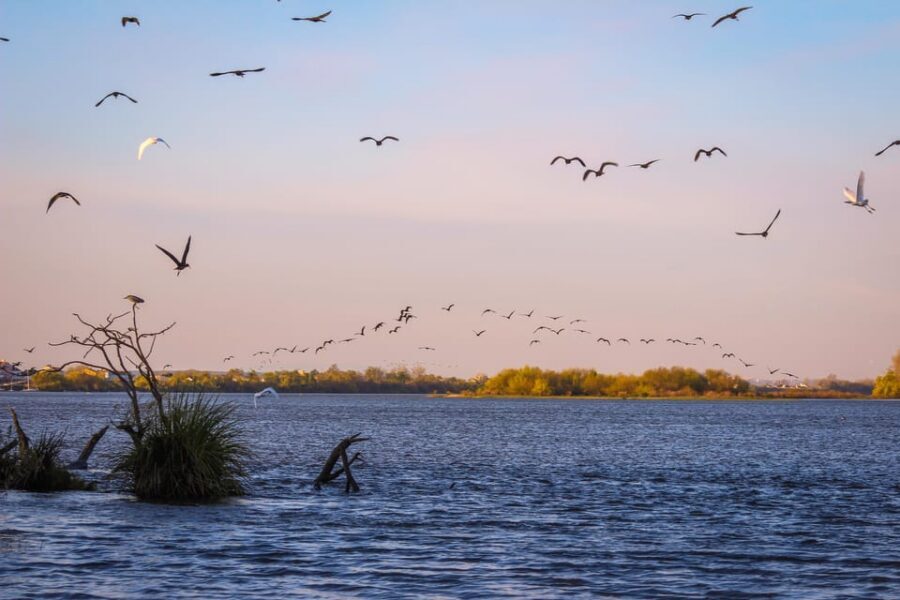
This is the part nature lovers usually care about most, and it’s where the cruise earns its high marks. The Tagus estuary can be a strong birding setting, and the guide helps you actually notice the details.
Birds you might spot
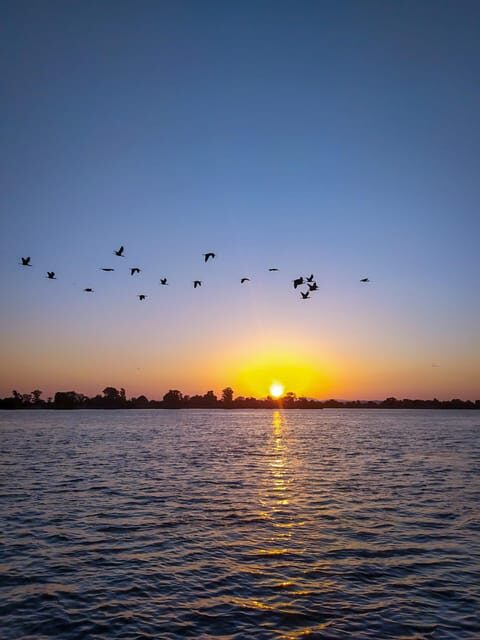
Depending on season, you may see species like herons, ibises, kites, ospreys, and bee-eaters. A guide who knows how to read behavior helps here. You don’t just scan and guess—you get cues that make sightings more likely and more satisfying.
Even when conditions aren’t ideal for birding, you can still pick up standout moments. One example from the experience: people have mentioned seeing an osprey, which lines up perfectly with what the guide looks for in the right zones of the river.
Free horses up close
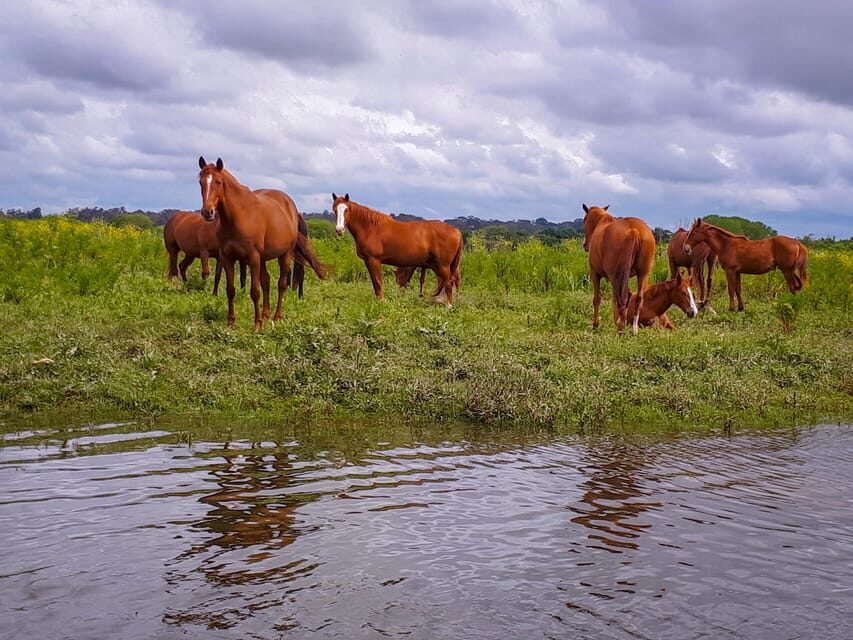
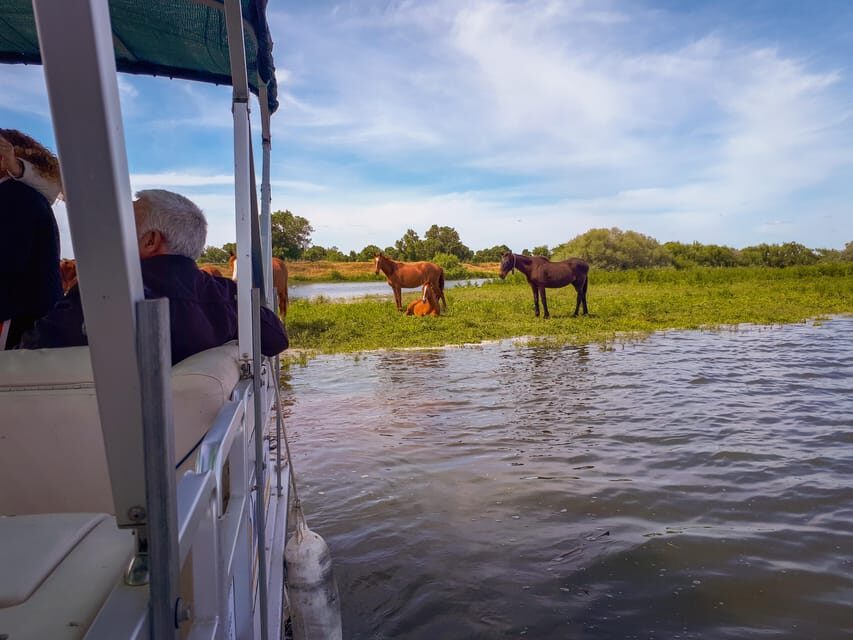
Another standout detail: it’s possible to observe free horses close to the water. That’s not a generic “look at cute animals” claim. It’s the kind of moment that changes how you experience the river. Suddenly you’re not just watching birds—you’re seeing a whole living ecosystem using the same space.
Why this wildlife element is practical
Here’s the practical advantage of doing wildlife from a guided boat: you’re not limited to one vantage point. The guide can position your attention across different parts of the estuary while you’re moving at a pace designed for watching, not commuting.
If you like nature but don’t want a full day of hiking and scanning, this is a strong middle ground.
Avieiros culture on the water: stilt houses, fishing life, and the Palhota connection
The cultural side isn’t tacked on. It’s woven into the route, and it gives the wildlife and river features meaning.
Migratory currents and why Avieiros followed the Tagus
The Avieiros story you’ll hear centers on fishing as the main livelihood and on how their work connected to the river’s movements. The guide explains the migratory currents of Avieiros to the Tagus, framing the estuary as a working route, not just scenery.
This is the kind of context that helps you understand why certain birds and fish matter. You start seeing the estuary as a system where livelihoods, habitats, and seasonal changes all interact.
Living on stilt houses and boats
You’ll also learn how Avieiros lived—on stilt houses or boats—which makes the history feel immediate. Instead of treating history as distant, you’re picturing daily life alongside the river you’re traveling through right now.
Passing Palhota and the book tie-in
When the boat goes through Palhota, the connection to Alves Redol’s dos Avieiros (published in 1942) gives the story a concrete footprint. It’s one of those details that makes you look at a village and realize it has been part of the cultural record for generations.
Museums and Royal Falconry access: turning your ticket into more than just the cruise
The boat ride is the main event, but the included access can make it feel like a smarter day.
Rio Museum and Casa Típica Avieira (Escaroupim)
Your ticket includes access to the Rio Museum and Casa Típica Avieira, both located in Escaroupim. Access is subject to museum availability, so you’ll want to plan around what’s open when you visit.
What you gain from this land time is the chance to connect what you heard on the boat to a slower, more interpretive setting.
Royal Falconry of Salvaterra de Magos
You also get access to the Royal Falconry of Salvaterra de Magos, again subject to museum availability. This pairs well with the birdwatching element of the cruise, because it keeps you focused on birds and how humans have worked with them over time.
Even if you’re not a “museum person,” adding one cultural stop can help you leave with more than photos.
Price and value: is $15 per person actually a good deal?
At $15 per person for a 1-hour guided boat trip, the question is whether you’re paying for time on water only—or whether you’re also buying insight.
In this case, you’re paying for three things:
- A live guide who explains what you’re seeing in Portuguese and English
- Wildlife-focused interpretation (birds, horses, estuary features)
- Included access to cultural sites (Rio Museum and Casa Típica Avieira, plus Royal Falconry), subject to availability
That last point is where the value improves for many people. If you actually use the museum time, you effectively stretch the cost across multiple experiences.
The duration also helps. If you’re on a tight schedule in the Santarém area, you get a meaningful Tagus experience without committing to a long day or complex transfers.
Logistics that matter: meeting point, transfers, and the wheelchair tide reality
This trip is designed to be straightforward, but a few details are worth getting right.
Where you meet
Check in at Largo dos Avieiros, at the blue striped house with the bateira. Since transfers aren’t included, you’ll handle getting there on your own.
What’s included vs. not included
Food and drink are not included. Also, transfers and land transport aren’t included, so build your day knowing you may need to manage the rest yourself.
Wheelchair access and tide timing
Wheelchair access is available, but it’s not a simple yes-or-no. Access depends on tide times, and the operator asks that you provide information so they can prepare when tide conditions allow easier boarding.
If you’re traveling with mobility needs, this is the key planning item.
Who should book this Escaroupim Tagus boat trip
You’ll likely love it if:
- You want short and guided nature viewing rather than a long hike
- Birds and estuary wildlife are your thing
- You enjoy cultural context tied to real places, not just dates
- You want a Tagus experience that connects the river to the people who depended on it
If you’re only looking for a quiet ride with zero instruction, you might find the narration a little more than you want. But even then, the guide explanations are paced to match what’s happening on the water, and that’s usually the difference between “interesting” and “forgettable.”
Final verdict: should you book it?
I’d book this if you want a focused Tagus hour where nature and Avieiros culture move together. The high satisfaction comes from two areas that matter: the quality of the guiding and the chance to spot wildlife in a real estuary setting.
If you have wheelchair access needs, book with tide timing in mind and communicate your needs early. And if you care about stretching value, plan to use the included museum access when it’s available.
If your trip to the Santarém area needs one solid, meaningful Tagus outing, this is a strong choice.
FAQ
How long is the Escaroupim boat trip?
The boat trip lasts 1 hour.
Where do I check in for the trip?
You check in at Largo dos Avieiros at the blue house with white stripes by the bateira boat.
Is the tour guided, and what languages are offered?
Yes, it has a live tour guide. The guide offers Portuguese and English.
What wildlife might I see on the Tagus?
Depending on season, you may see birds such as herons, ibises, kites, ospreys, and bee-eaters, and it’s possible to see free horses up close.
Is the price per person and how much is it?
The price is listed as $15 per person.
What attractions are included besides the boat ride?
Included access covers the Rio Museum and Casa Típica Avieira in Escaroupim, and the Royal Falconry of Salvaterra de Magos, each subject to availability.
Is food and drink included?
No, food and drink are not included.
Is it wheelchair accessible?
It is wheelchair accessible, but boarding access can depend on tide times, and you’re asked to provide information so the team can prepare.
What if I need to cancel?
You can cancel up to 24 hours in advance for a full refund.