REVIEW · AVEIRO LAGOON
Birdwatching Solar Boat Tour Aveiro Lagon
Book on GetYourGuide →Operated by Sterna - Aveiro Ria Tours & Birdwaching · Bookable on GetYourGuide
A silent boat is a rare kind of quiet. This solar-powered birdwatching trip lets you look out over Aveiro Lagoon’s salty wetlands without the usual engine rumble, far from the urban canal feel. I love the minimal-impact solar ride and how it keeps the focus on birds, not noise.
I also like the smart mix of wildlife time with treats: binoculars, sparkling wine, water/juice, and regional sweets. The main drawback to consider is that the experience isn’t only about spotting birds; it also leans into the salt marsh and salt-industry story, so pure bird-list hunters may want to mentally prep for some context.
In This Review
- Quick hits before you go
- Why Aveiro’s salty wetlands beat the city canals
- Finding Cais do Sal and boarding the solar boat
- A 90-minute circuit for birdwatching at low tide
- Wildlife viewing you can actually enjoy (not just watch)
- Champagne, biscuits, and local nibbles mid-ride
- Binoculars, timing, and the birdwatching strategy that works
- Price and value: what $50 gets you for 90 minutes
- What to wear and the rules on the water
- Who this solar birdwatching tour is best for
- Should you book this solar birdwatching tour?
- FAQ
- FAQ
- How long is the Aveiro Lagon birdwatching solar boat tour?
- Where is the meeting point?
- How much does the tour cost?
- Is the boat solar-powered and quiet?
- What’s included in the tour?
- Are there refreshments besides wine?
- How large is the group?
- What languages will the live guide speak?
- Is the tour wheelchair accessible?
Quick hits before you go
- Solar-powered, near-silent boat keeps the waterbird atmosphere intact
- Cais do Sal meeting point is easy to find, right by Ecomuseu Marinha da Troncalhada
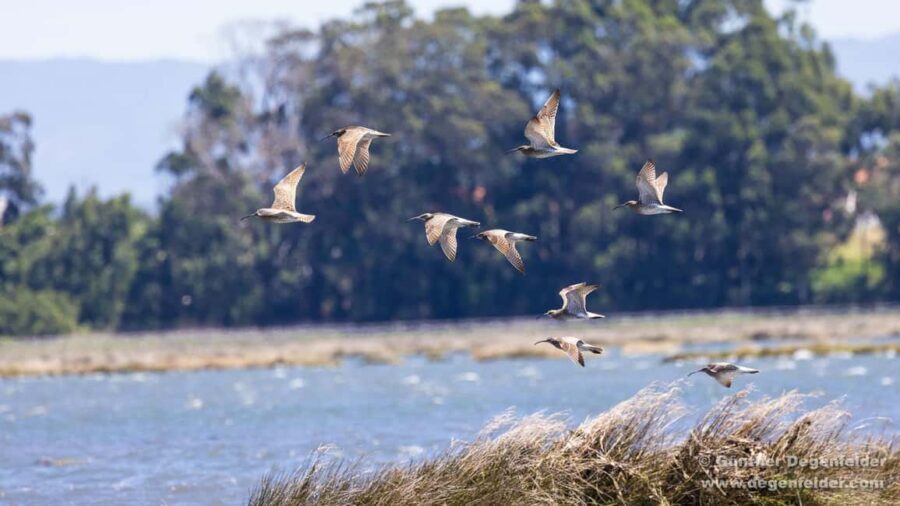
- Birdwatching shines at low tide when birds feed in the mud
- Best season odds are typically autumn and winter in this region
- Small group size (max 10) means you’ll actually hear the guide
- Tastings included: sparkling wine plus local sweets and drinks
Why Aveiro’s salty wetlands beat the city canals
If you’ve only seen Aveiro from the canal side, you’ll feel the difference fast here. The Ria de Aveiro is a salt-linked wetland system, and as salt marshes have been progressively abandoned, it grew into a big bird habitat—especially in the northern half of Portuguese territory.
This matters for you because wetlands aren’t just scenery. They change behavior. In the right conditions, water birds come closer to feeding grounds in the mud flats. That gives you a real chance to see feeding activity rather than just distant silhouettes.
The boat also helps. The operator runs a silent vessel with minimal impact on the ecosystem, which means your trip tends to feel calmer and more focused. Instead of fighting engine noise, you can listen to what the guide points out and use your eyes (and binoculars) more effectively.
You can also read our reviews of more tours and experiences in Aveiro Lagoon.
Finding Cais do Sal and boarding the solar boat
You’ll meet at Cais do Sal, directly in front of Ecomuseu Marinha da Troncalhada. It’s the kind of meeting point that’s straightforward: you’re not wandering through a maze of streets trying to spot a tiny boat.
Once you’re on board, the vibe stays small and manageable. The group is limited to 10 participants, so you won’t be packed in like sardines—or drowned out if you ask a question. The tour also offers a live guide in Portuguese, English, and Spanish, which is handy if you’re traveling with friends who don’t all speak English.
The tour duration is 90 minutes (it’s listed as 90 to 120 minutes in the details). Either way, plan for a short, efficient outing: enough time to get out into the ria zone, do some wildlife viewing, and still enjoy tastings without feeling rushed.
A 90-minute circuit for birdwatching at low tide
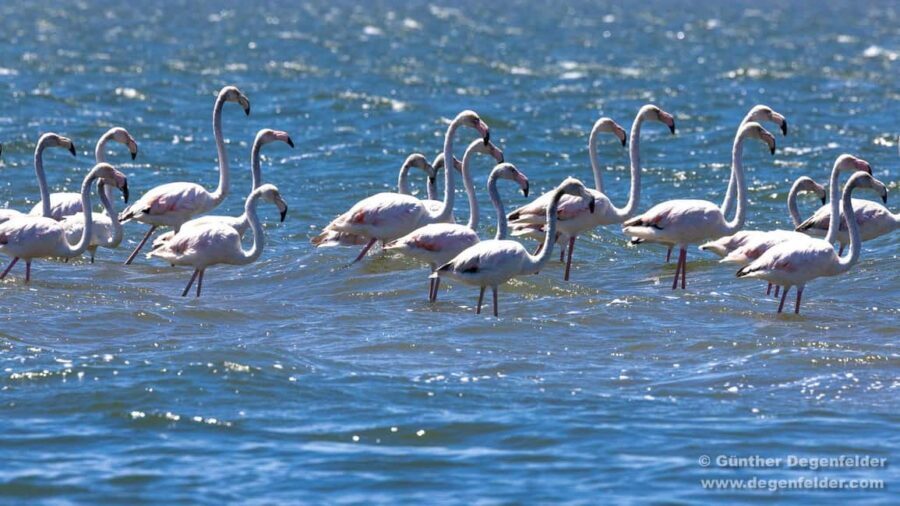
The heart of the trip is the wildlife viewing around Aveiro’s salty wetland area. The guidance emphasizes that bird activity shifts with time of day and time of year. The best odds are typically autumn and winter, and the best time of day is often low tide.
Here’s why you should care about that: at low tide, birds can feed in the mud. That increases what you can actually observe from the boat. Instead of birds perched far away, you may see them working the feeding areas.
During the outing, you’ll spend time in the Aveiro lagoon zone with dedicated wildlife viewing (the program lists wildlife viewing as part of the main segment, clocking close to about 92 minutes in the schedule). So even though the total experience is only about an hour and a half, the pacing is designed around seeing birds, not just cruising.
If you’re hoping for a guaranteed checklist of rare species, be realistic: wetlands are living places and conditions vary. But the setting is built for birds, and the quiet solar boat helps you spot behaviors rather than just passing views.
Wildlife viewing you can actually enjoy (not just watch)
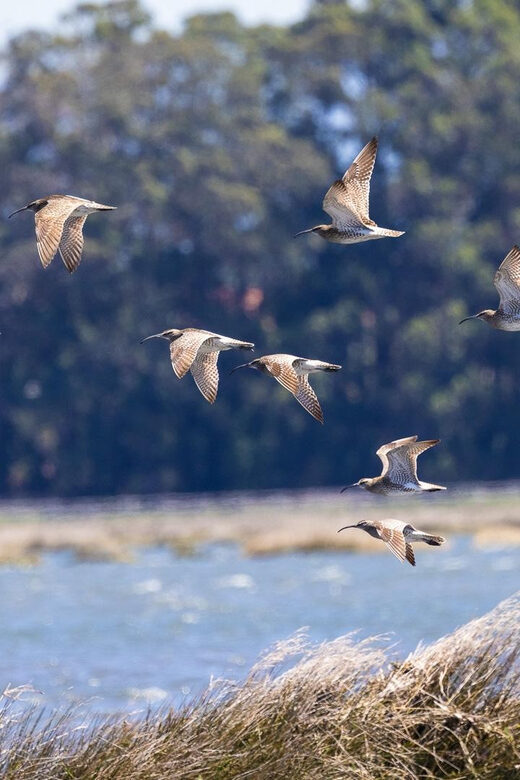
On a traditional motorized boat, birds can be skittish and your concentration gets split between noise and sightseeing. With this setup, the guide can speak clearly, and you can pay attention to small movement—like a bird lifting its head, turning, or responding to feeding cues.
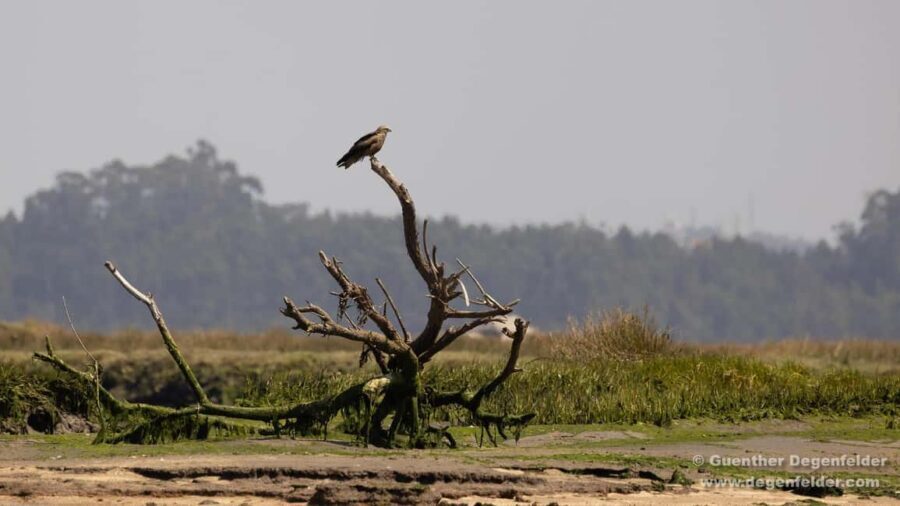
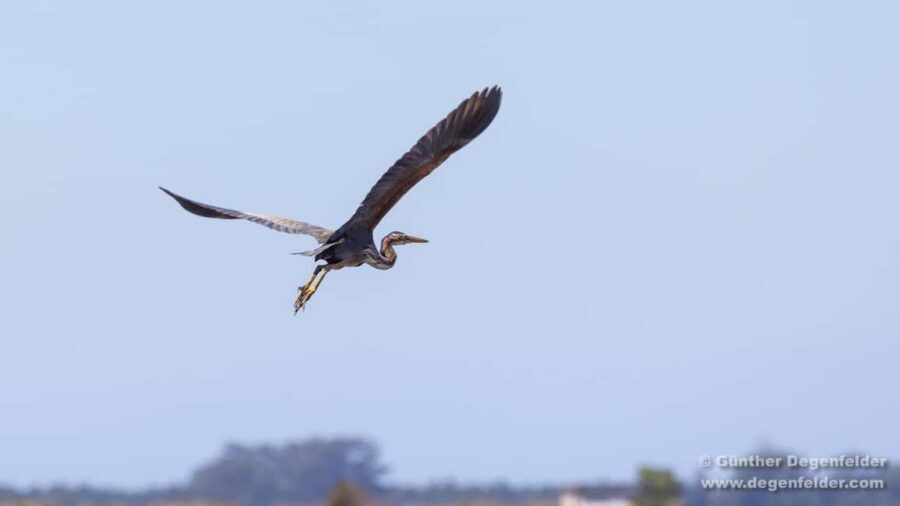
From the trip’s feedback pattern, one theme keeps coming up: strong bird sightings happen here, including flamingos and other water birds. One person even noted a fishing eagle sighting. That’s not something you should treat as a promise, but it tells you the area can deliver more than the usual “some birds in the distance” moment.
You’ll also get binoculars included. If you’ve ever tried to birdwatch without them, you know it’s basically like watching a movie through fog. With binoculars on board, you’re more likely to identify types, notice feeding patterns, and enjoy the viewing instead of just squinting.
Champagne, biscuits, and local nibbles mid-ride
This tour doesn’t separate “fun” from “nature time.” It threads in tastings so the experience feels social but still outdoors-focused.
In the main lagoon segment, you’ll have champagne tasting, plus additional food tasting. The included items list also calls out sparking wine, water, juice, and regional sweets. In practice, that means you’re not just standing there with a bottle of water while looking for birds. You get a little reward for being patient and present.
And yes, there’s a small nuance to watch for: one review point flagged that the trip feels partly cultural and tied to the salt industry story, not only a pure birdwatching session. That might sound like a warning, but for many people it’s actually a plus—salt production is a big reason this wetland landscape exists the way it does.
So if you like learning while you look, you’ll probably enjoy the flow. If you only want birds and nothing else, just know the guide’s history-and-culture angle is part of the design.
Binoculars, timing, and the birdwatching strategy that works
You’ll have the gear, but the real trick is how you use it. Since the best viewing often lines up with low tide, think of your trip as a “timing window” experience. In wetland birding, small timing differences can change what birds are doing—feeding versus resting versus moving.
Here’s how to maximize your odds once you’re on board:
- Keep your binoculars handy so you can scan quickly when the guide points something out.
- Pause after a sighting instead of chasing the bird. Wetland birds often repeat feeding behaviors.
- Pay attention to the guide’s cues on what to look for, because different species react differently in feeding zones.
Another practical bonus: the boat is silent with minimal ecosystem impact, so your ears aren’t forced into survival mode. That helps you follow instructions and notice when the guide says, in effect, look here, now.
The better the light and the calmer the conditions, the easier it is to spot movement and details. If you’re traveling in autumn or winter, your odds tend to be stronger based on how the tour describes the seasonal pattern.
Price and value: what $50 gets you for 90 minutes
At about $50 per person for roughly 90 minutes, this tour is priced like an experience, not just transportation.
What you’re really paying for:
- A specialized solar boat experience (not a generic water taxi)
- Binoculars provided
- Guided wildlife viewing
- Included drinks (sparkling wine, plus water and juice)
- Regional sweets and tasting time
When you break it down, the value comes from packing multiple elements into one short trip: wildlife time + guidance + small-group comfort + included refreshments. Even if you only care about the birdwatching, the quiet boat and binoculars are the two biggest value drivers.
Do I think it’s the cheapest thing in Aveiro? Probably not. But for a short outing that’s built around birds and sensory comfort (quiet, guided focus, and small-group dynamics), it feels fair.
What to wear and the rules on the water
You don’t need special gear, but do prepare like it’s an outdoor wetland outing.
Bring:
- Comfortable shoes (you’ll be standing or walking a bit before boarding)
- Comfortable clothes (conditions can feel different near water)
Keep in mind the tour rules:
- No smoking on the vehicle/boat
- No bikes
- No unaccompanied minors
- No fireworks, explosive substances, diving, or making fire
These rules are typical for sensitive ecosystems and shared water spaces, and they help keep the ride calm for everyone watching birds.
Who this solar birdwatching tour is best for
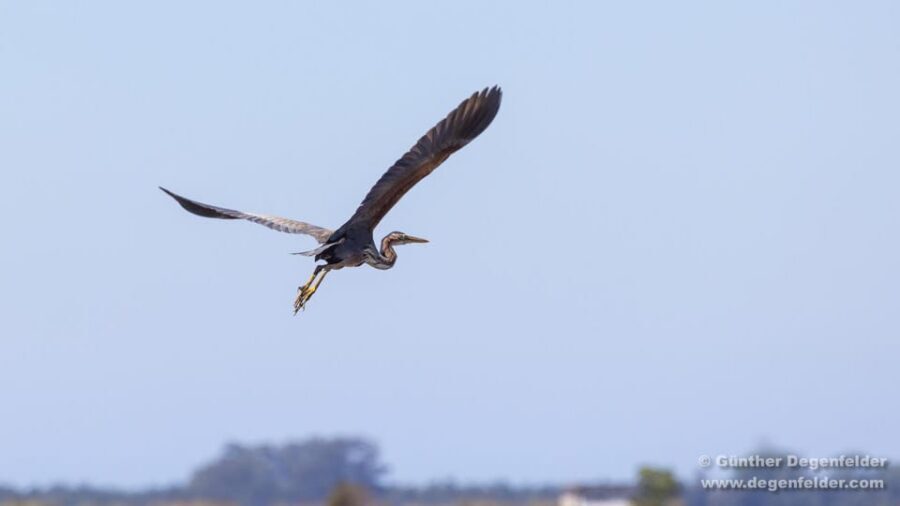
This is a great fit if you:
- Like nature that feels close-up, not far-off sightseeing
- Want a calmer boat experience with a guide you can actually hear
- Enjoy pairing wildlife with a bit of regional context (salt-marsh life and salt-linked landscapes)
- Appreciate small-group outings where you’re not fighting for space
It’s also a smart choice for mixed groups—people who want birds, and people who want to understand why the landscape works the way it does. One of the stronger themes in the feedback is that communication and explanation come through well across multiple languages.
Who might not love it:
- If you’re a hardcore birder expecting nonstop species-focused birding with zero history/culture framing, the salt-industry angle may feel like a detour.
Should you book this solar birdwatching tour?
If your goal is a short, low-stress birdwatching outing on a quiet solar boat, I’d say yes. The combination of solar silence, included binoculars, and included tastings makes it feel like a complete experience rather than a basic ride.
Book it especially if you can travel in autumn or winter, and if your schedule allows you to align with low tide for better feeding activity. And if you enjoy learning while you look—salt landscapes, wetlands, and how birds use them—this tour’s structure should click.
If your only priority is an intense, bird-only session, go in with the right expectations. You’ll still be on the water for wildlife viewing, but the experience also includes cultural context tied to the salt marsh story.
FAQ
FAQ
How long is the Aveiro Lagon birdwatching solar boat tour?
The duration is listed as 90 minutes.
Where is the meeting point?
You meet at Cais do Sal, in front of Ecomuseu Marinha da Troncalhada.
How much does the tour cost?
The price is $50 per person.
Is the boat solar-powered and quiet?
Yes. The vessel is described as silent and minimal impact on the ecosystem, and it’s noted as the only solar boat in the Aveiro region.
What’s included in the tour?
Included items list binoculars, sparkling wine, water, juice, and sweets from the region. The itinerary also includes a champagne tasting and food tasting.
Are there refreshments besides wine?
Yes. The inclusions specifically list water and juice, plus regional sweets.
How large is the group?
The group is limited to 10 participants (small group).
What languages will the live guide speak?
The guide is listed as speaking Portuguese, English, and Spanish.
Is the tour wheelchair accessible?
Yes, it is marked as wheelchair accessible.