REVIEW · ALCOBACA
Alcobaça: Entry to UNESCO Alcobaça Monastery
Book on GetYourGuide →Operated by GetYourGuide Tours & Tickets GmbH · Bookable on GetYourGuide
One white Gothic abbey can change your pace. Alcobaça Monastery is a UNESCO stop that trades crowds for calm stonework, and it rewards careful looking with a serious dose of Gothic serenity and medieval room access. You’ll also get a strong feel for why the abbey was built where it was, not just how it looks.
I especially love walking through the medieval rooms where simplicity does not mean bland. The preserved spaces show how Cistercian life shaped architecture, and the results feel both grounded and quietly dramatic.
The only real drawback: if you arrive late, you may miss parts of the visit and you can feel the site moving you along. Plan your timing so you’re not racing the closing bell.
In This Review
- Key moments I’d plan around
- Alcobaça Monastery’s Gothic calm: the feeling you’re really buying
- Your hour-by-hour flow: medieval rooms to the bigger abbey story
- Stop 1: Start at the medieval rooms (your best “first lesson”)
- Stop 2: Follow the evolving construction idea
- Stop 3: Understand the strategic construction beginning in 1178
- The white jewel effect: Gothic architecture and what to look for
- When to go: timing matters more than you think
- Tickets, skip-the-line entry, and the Praça 25 de Abril meeting point
- Price and value: why $17 can be a fair deal
- Accessibility and practical comfort on site
- Who should book this Alcobaça Monastery entry?
- Should you book this Alcobaça Monastery entry?
- FAQ
- How long is the Alcobaça Monastery entry experience?
- What does the ticket include?
- Is a guided tour included?
- Where do I meet for the visit?
- How much does it cost?
- Is the activity wheelchair accessible?
- Can I take photos inside?
- When is the monastery closed?
- Is this booking refundable?
Key moments I’d plan around
- Skip-the-ticket-line entry so your day starts inside, not in paperwork limbo
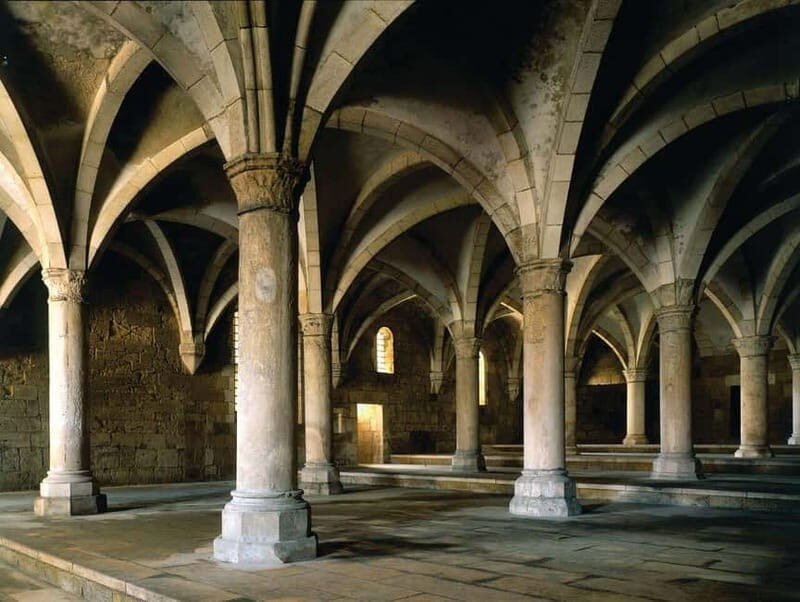
- Access to the medieval rooms where Gothic clarity feels easiest to understand
- Gothic architecture in a white stone setting that reads like one large, ordered thought
- Strategic construction begun in 1178, which changes how you interpret the building’s placement
- Photography allowed, but no flash, keeping the experience respectful and still photo-friendly
Alcobaça Monastery’s Gothic calm: the feeling you’re really buying
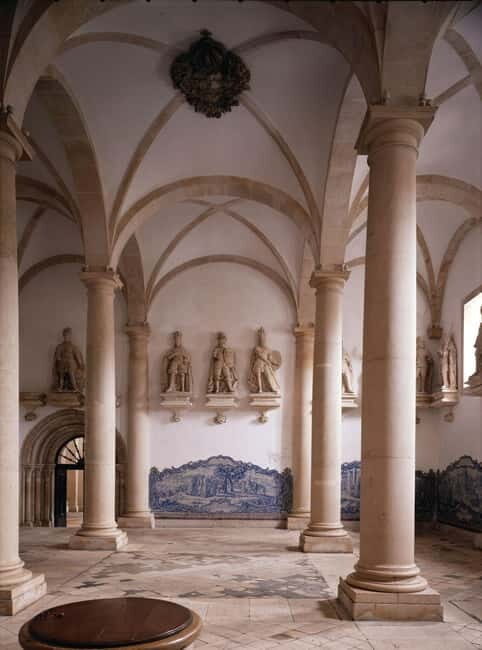
Alcobaça Monastery is one of those places where the air feels different the second you step in. The abbey is Cistercian, and that matters. These monks built for routine and order, and the architecture follows that mindset: clean lines, strong structure, and a sense of quiet that invites you to slow down.
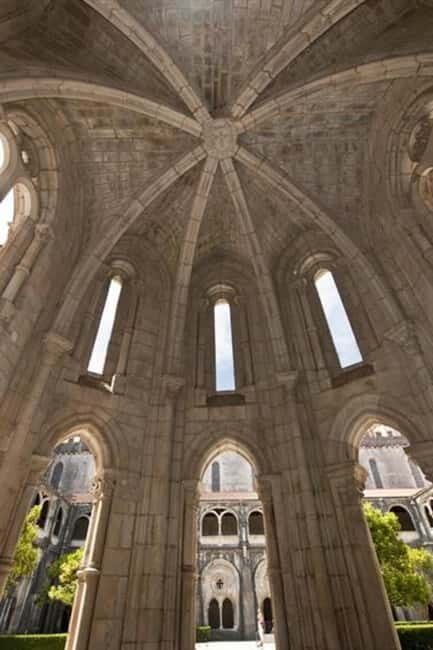
The Gothic style here can look almost severe from the outside, but inside it becomes something else. You start noticing how the building manages light, proportions, and rhythm. It’s not a theme-park version of Gothic. It’s the real deal, preserved enough that you can follow the logic of the space without needing special training.
If you care about how people used buildings to express belief, this is a smart stop. You’ll see how the monastery’s construction reflects Portugal’s Christian expansion—something you can sense even when you’re just wandering.
Your hour-by-hour flow: medieval rooms to the bigger abbey story
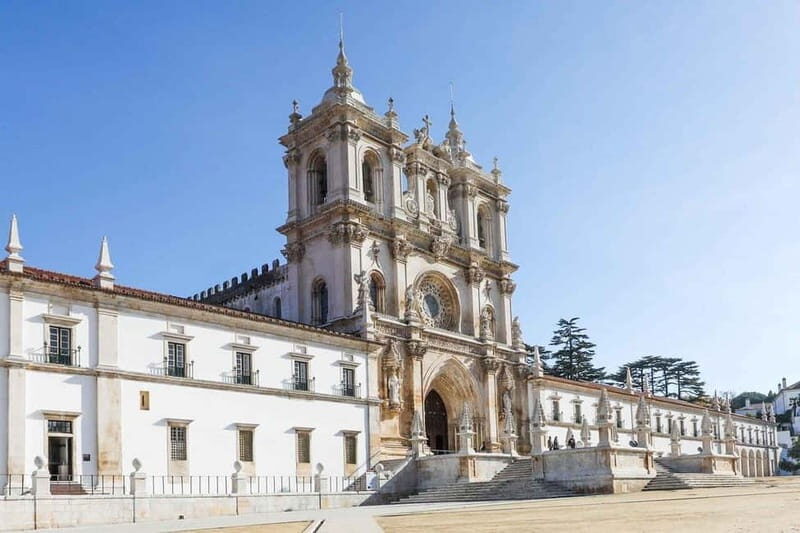
This is a 1-day entry experience with a simple goal: get you inside and let you explore. The heart of your visit is access to the medieval rooms, which are the best starting point if you want to understand why the later building story matters.
Stop 1: Start at the medieval rooms (your best “first lesson”)
You begin in the older, medieval sections, where you can see the Gothic approach in a readable, almost instructional way. These rooms are preserved over centuries, so you’re not just looking at architecture on display—you’re seeing architecture that once supported daily monastic life.
What I like about this start is how it trains your eye. You begin to understand what Cistercian Gothic is trying to do: keep things simple, emphasize structure, and avoid unnecessary decoration. You’ll also start to feel the difference between space that’s meant for ceremony and space meant for routine.
A practical tip: give yourself time to look upward. Gothic architecture isn’t only about what’s in front of you. The vertical thinking is a big part of the mood.
Stop 2: Follow the evolving construction idea
Alcobaça isn’t stuck in one century. Founded in 1153, it shows the evolution of Portuguese architecture from the 12th through the 18th centuries. Even if you’re visiting without a guide, you can still spot shifts in how the complex developed over time.
This is where the monastery becomes more than pretty buildings. You begin linking design changes with what the monastery needed—religious priorities, cultural pressures, and the long-term role it played for Portugal.
Stop 3: Understand the strategic construction beginning in 1178
One of the most interesting themes you’ll run into is the monastery’s strategic construction, which began in 1178. That doesn’t mean you’ll get a battlefield map in your pocket. It means the building’s location and scale make more sense when you remember that monastic sites weren’t isolated by accident.
Think of it this way: the monastery is not just a devotional site. It also functioned as an institutional foothold during a period of Christian expansion. When you understand that, the abbey’s seriousness clicks into place.
The white jewel effect: Gothic architecture and what to look for
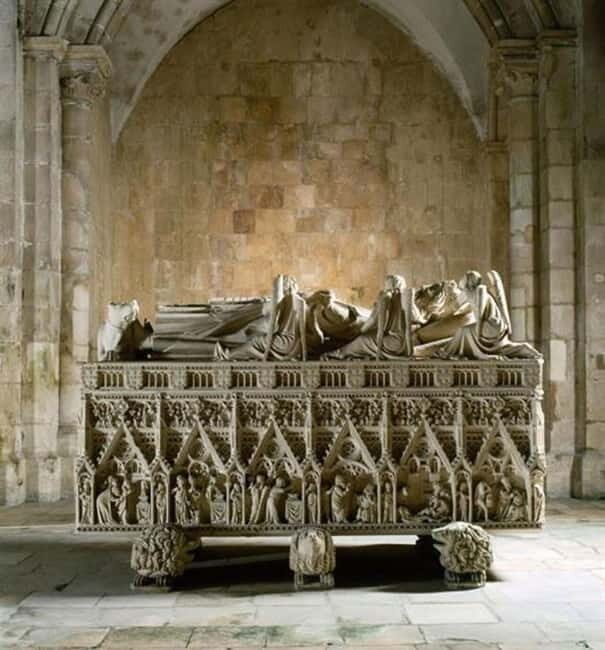
People describe the abbey as a white jewel for a reason. The stone reads clean and bright, and the forms feel crisp. That visual clarity is part of why the place can be so calming. You aren’t surrounded by visual clutter; you’re surrounded by structure.
Here’s what I recommend you look for as you move through:
- Order in the layout: the way rooms connect makes you feel the planning behind the complex
- Gothic vertical rhythm: repeat shapes and structural lines pull your gaze upward
- Mix of historical styles: you’ll notice change over centuries, which is part of the attraction here
The “unique blend” angle is real. Alcobaça doesn’t just stack styles like stickers on a notebook. It shows how a living institution kept evolving while still keeping its core identity.
When to go: timing matters more than you think
This visit is set up for self-paced entry. That’s great for freedom. It’s also why timing can make or break your experience.
The site is closed on:
- January 1st
- Easter Sunday
- May 1st
- August 20th
- December 25th
Also, plan for actual walking time and the time you’ll want to pause in key areas. If you show up near closing, you may find that some areas are being prepared to close, and you can get pushed to speed up. In practical terms: if you want to see more than the most obvious parts, don’t treat last entry like a challenge.
My advice: aim to arrive with a comfortable buffer so you can look without rushing. You’ll enjoy the architecture more, and you’ll leave feeling like you truly finished your visit.
Tickets, skip-the-line entry, and the Praça 25 de Abril meeting point
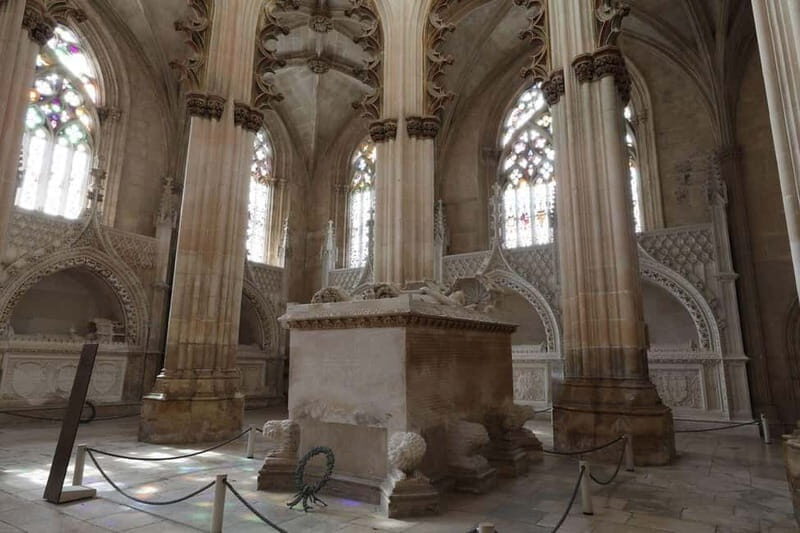
Logistics here are simple. You’ll meet at the main entrance at Praça 25 de Abril. That’s your anchor point, and it’s helpful when your day in Alcobaça is tight.
The good news: this option includes entry tickets and skip-the-ticket-line access. In plain terms, you reduce friction and start inside sooner. That matters in Portugal because some sites attract line-ups, and you don’t want your best viewing moments spent standing still.
One more key point: a guided tour is not included. You’re getting entry and access to the medieval rooms, but you’re responsible for your own pace and your own reading.
So if you love learning with someone talking the whole time, you might want to add a guide separately. If you’re happy exploring at your own speed—taking in details, looking up, and stopping when something grabs you—this format is a good fit.
Price and value: why $17 can be a fair deal
At $17 per person, this is priced like an entry-focused experience, not a full-service tour with a guide. You’re paying for:
- Entry ticket included
- Access to medieval rooms
- Skip-the-ticket-line convenience
That’s the value story. If you were paying separately for entry and then adding a guide, costs would usually climb faster. Here, you get to allocate your time and money the way you want.
Also, the duration is listed as 1 day, which makes it a smart add-on if you’re already in the area for other sights. You can pair it with a self-guided walk through Alcobaça afterward, without needing another half-day commitment.
Accessibility and practical comfort on site
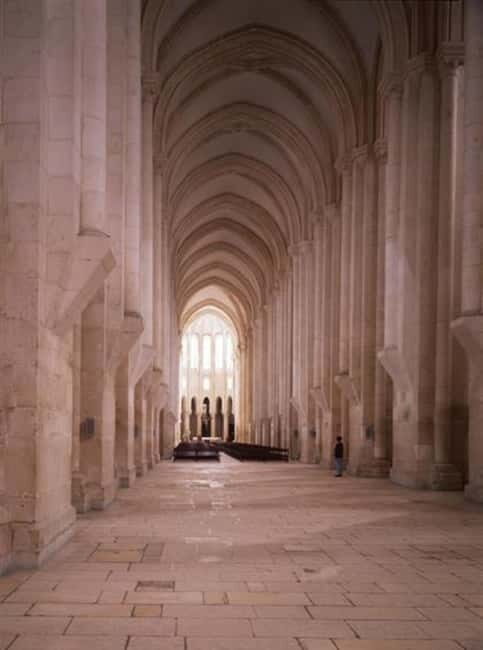
This activity is wheelchair accessible, which is a major plus if you need step-free access. You’ll still want to plan for your own mobility pace, but it’s good to know the experience is designed to be usable for a wider range of visitors.
Photography is allowed, but keep it respectful: no flash. That’s usually easy to follow, and it helps protect the calm inside the church-adjacent spaces.
Who should book this Alcobaça Monastery entry?
This is best for you if you:
- like architectural spaces you can read with your eyes
- want a calm, structured visit without constant explanations
- enjoy Cistercian design and how it reflects monastic life
- have a limited amount of time in Alcobaça and want a high-impact UNESCO site
It’s also a good choice if you travel with someone who likes silence. This monastery works well as a shared slow-walk experience.
You might consider pairing it with a guide elsewhere or arranging additional interpretation if you need a full narrative. Since a guided tour is not included, you’ll get the setting and access, but not a live commentary.
Should you book this Alcobaça Monastery entry?
If you want a self-paced UNESCO visit focused on the medieval rooms and Gothic architecture, I think this is a solid booking. The price feels fair for the access you’re getting, and the skip-the-line feature helps you start where it counts: inside the monastery itself.
Book it if your goal is calm viewing and you’re happy exploring on your own. Skip the last-minute rush. Arrive with extra time so you don’t feel the site switching gears toward closing.
FAQ
How long is the Alcobaça Monastery entry experience?
It’s valid for 1 day, with available starting times depending on availability.
What does the ticket include?
You get an entry ticket and access to the medieval rooms.
Is a guided tour included?
No. A guided tour is not included.
Where do I meet for the visit?
Meet at the main entrance of Mosteiro de Alcobaça, located at Praça 25 de Abril.
How much does it cost?
The price is $17 per person.
Is the activity wheelchair accessible?
Yes, it is listed as wheelchair accessible.
Can I take photos inside?
Yes, photography is allowed, but no flash is permitted.
When is the monastery closed?
It’s closed on January 1st, Easter Sunday, May 1st, August 20th, and December 25th.
Is this booking refundable?
This activity is non-refundable.