REVIEW · VIANA DO CASTELO
Visit to Gil Eannes hospital Ship Museum
Book on GetYourGuide →Operated by Fundação Gil Eannes, FP · Bookable on GetYourGuide
Freezing seas, serious medicine. The Gil Eannes Hospital Ship Museum in Viana do Castelo lets you walk through a former lifeline for the cod fleet and see how it worked. I especially love the hands-on realism of the ship layout and the medical rooms that were built for emergencies far from shore.
I also like that the visit connects daily labor to urgent care. You move from work spaces like the bridge, galley, bakery, and engine room into the operating theatre, doctors rooms, treatment areas, radiology, and even the chapel—so the story isn’t just about suffering, it’s about systems and routines.
One consideration: the ship is not set up for everyone. It’s not suitable for people with mobility impairments, and visually impaired visitors may struggle because it’s a ship with enclosed spaces and museum stops.
In This Review
- Key things to know before you go
- Gil Eannes Hospital Ship: Portugal’s floating clinic on the cod route
- The ship’s layout explains the story faster than any poster
- Bridge and ship command: where decisions met the weather
- Galley, bakery, and daily provisioning on hard days
- Engine room and the power behind the mission
- Operating theatre and medical rooms: the hard side of help
- Cabins and chapel: the human side of a working vessel
- The museum’s real story: saved from scrapyard fate
- Price and value: is $6 worth your time?
- Practical tips for your visit (so you don’t feel rushed)
- Who should book this ship museum (and who should skip)
- Should you book this Gil Eannes Hospital Ship Museum visit?
- FAQ
- Where is the Gil Eannes Hospital Ship Museum?
- How much does it cost to visit?
- How long should you plan for the visit?
- What ticket steps do I need to complete before I go in?
- What languages are available for the host or greeter?
- What parts of the ship can you see?
- Is there an option for children with a discounted add-on?
- Is the museum suitable for people with mobility impairments or visual impairments?
Key things to know before you go
- A 1955-built hospital ship for the cod fleet: made to help fishermen off Newfoundland and Greenland.
- This ship did more than medicine: it also functioned as a mail ship, tugboat, icebreaker, and supply ship.
- You’ll tour the full route of a ship’s day: bridge to engine room to galley to bakery.
- Medical spaces are part of the walk-through: operating theatre, doctor’s surgery, treatment room, and radiology room.
- Faith was on board too: there was a chaplain and the chapel is restored for visitors.
- It survived scrapyard fate: rescued by the Vianense community and restored for museum use.
Gil Eannes Hospital Ship: Portugal’s floating clinic on the cod route
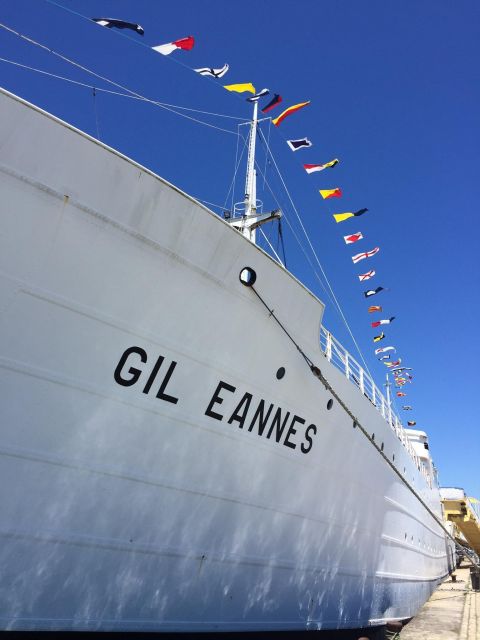
The Gil Eannes was built in 1955 in the Viana do Castelo shipyard, with one tough job in mind: support the cod-fishing fleet working off Newfoundland and Greenland. When you tour it, the whole point becomes obvious. In the North Atlantic, you can’t always wait for help to arrive. So the ship carried medical capability right alongside the fishing work.
The best way I can describe it is that you’re stepping into a working ship that doubled as a hospital. This wasn’t a hospital on land with a calm corridor vibe. It was a moving platform designed for rough seas, hard schedules, and serious urgency.
And because the ship also acted as a flagship, mail ship, tugboat, icebreaker, and supply ship, it wasn’t only about treating pain. It also kept the fleet fed and equipped with provisions, nets, bait, and fuel.
The ship’s layout explains the story faster than any poster
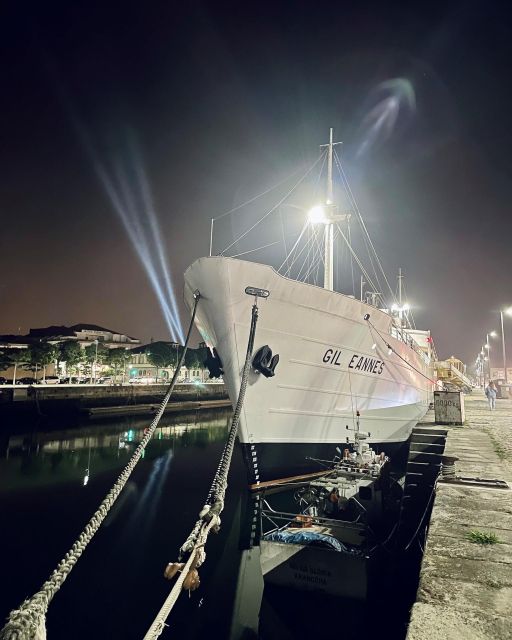
One reason this museum sticks with me is that the ship design tells you what mattered. When you’re inside, you’re not just reading about medical care for far-away fishermen—you’re seeing how cramped, functional spaces supported that care.
You “navigate” through restored areas including the bridge, galley, bakery, and engine room before reaching the clinical spaces. That ordering matters. It helps you understand the ship as a complete system: navigation and power for the journey, food and supplies for survival, and then medical rooms for emergencies that couldn’t wait.
You’ll also notice how the museum spaces are arranged to keep the ship’s character. Even when restored, it still feels like you’re walking through compartments built to serve a purpose, not to host visitors.
Bridge and ship command: where decisions met the weather
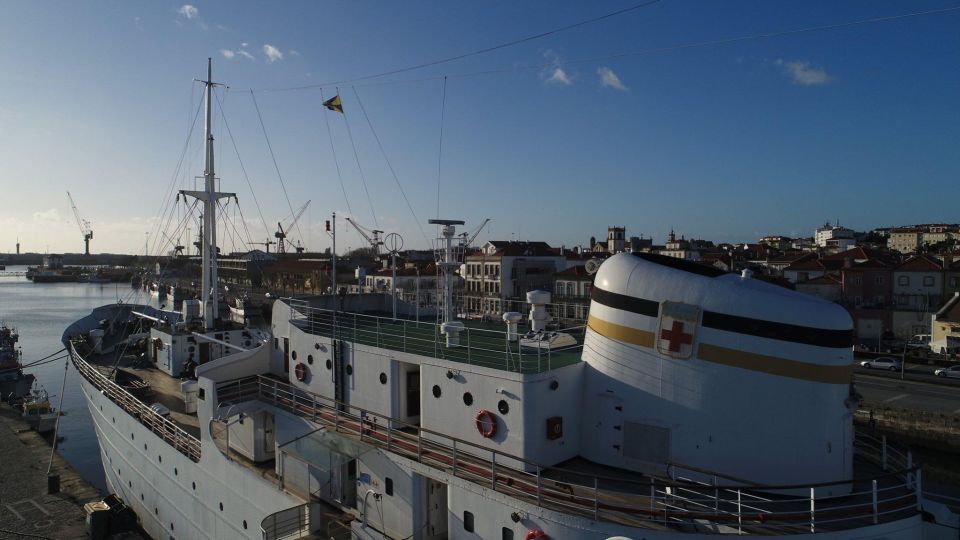
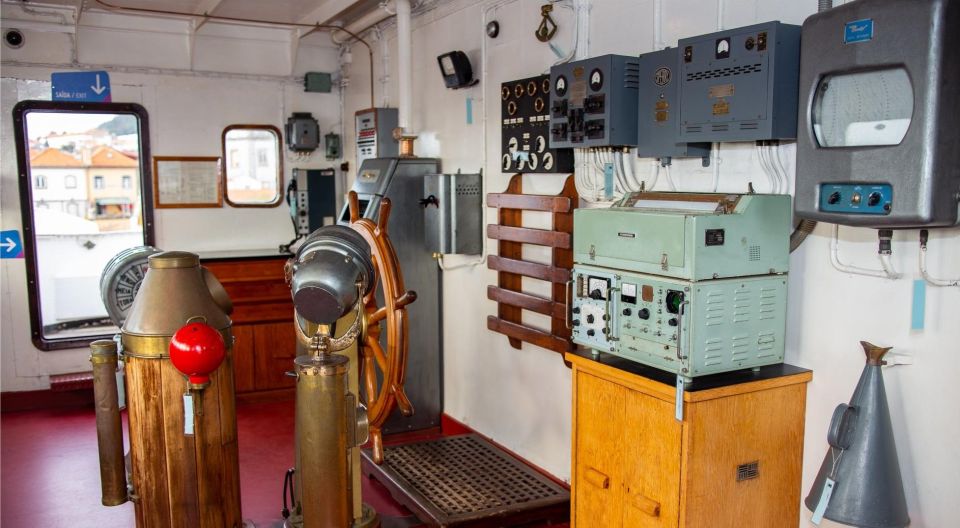
Start at the bridge area, where you get a feel for how navigation and ship leadership supported the mission. For cod fishermen operating in brutal waters, the route and timing weren’t casual choices. Weather could change quickly, and the ship had to reach the fishing fleet and support it.
Standing in the bridge space helps the mission click. The Gil Eannes wasn’t just a place where patients arrived. It also made the hard journey possible, with the operational brain of the vessel in front of you.
If you like maritime history, this section is a strong opening because it sets context for everything that follows. The rest of the visit reads like a continuation of what you see here: power, supplies, routine, and then medical response.
Galley, bakery, and daily provisioning on hard days
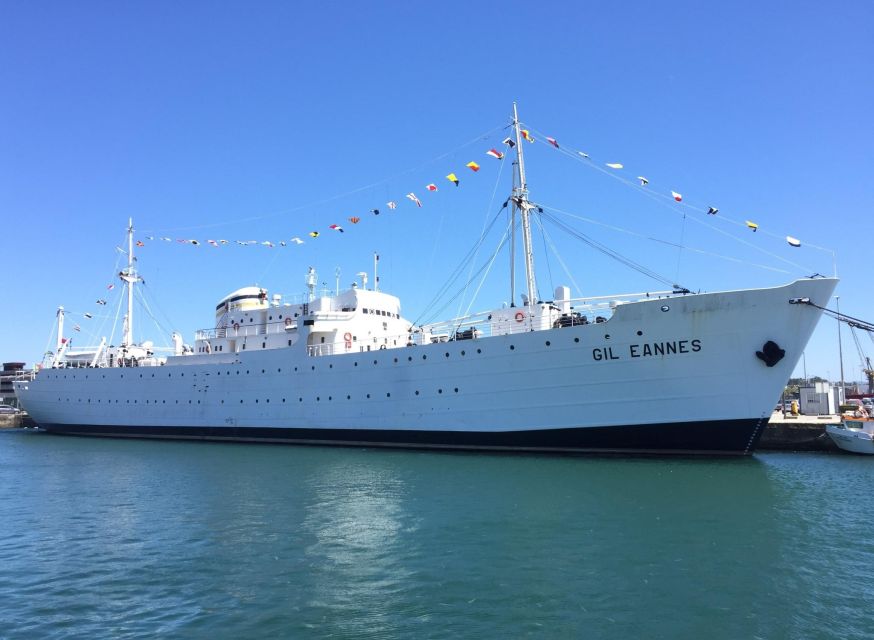
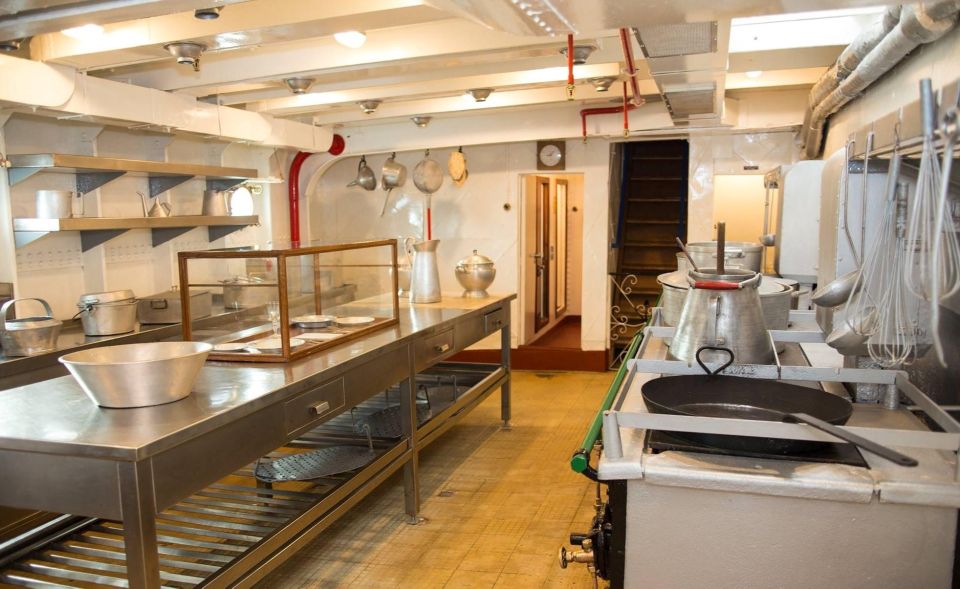
Next come the food and daily-life areas: the galley and bakery. This is where I think most people realize how much the ship depended on routine to keep going. Even when the topic is a hospital ship, the truth is that nobody recovers without consistent basics: meals, warmth, and enough energy to handle work and treatment.
The bakery stop is especially useful because it turns the ship from an idea into lived experience. A working vessel needs food production, not just storage. Seeing the bakery helps you picture what the crew could rely on during long days at sea.
Then you move forward into the ship’s other core functions. The point isn’t just what the spaces look like; it’s that they show how the ship kept itself running while it served others. Medicine was only one job.
Engine room and the power behind the mission
The engine room is where the museum shifts from “history” to “work.” You get the sense that the ship’s ability to travel, provide icebreaking or tug functions when needed, and stay stocked depended on engineering that had to do its job day after day.
This is a good time to slow down and really look around. Even without extra commentary, you can feel how the ship’s physical systems shaped the medical mission. If the vessel couldn’t operate reliably, it couldn’t reach people who needed help, couldn’t supply nets and bait, and couldn’t keep supplies moving.
For me, this section explains why the museum experience feels authentic. It doesn’t isolate the hospital parts from the rest of the vessel. It shows how everything supported survival and response.
Operating theatre and medical rooms: the hard side of help
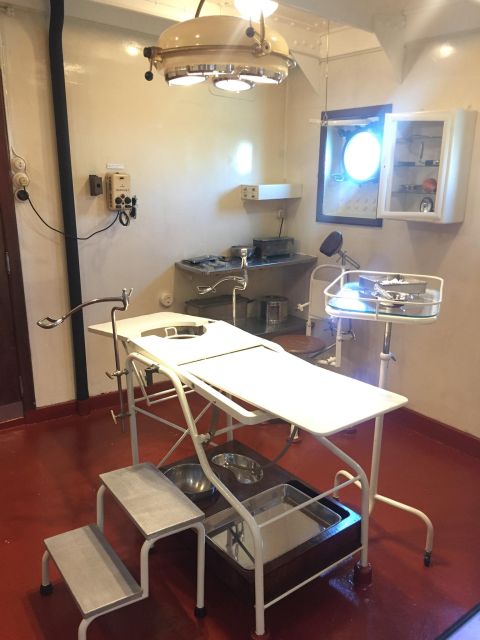
Now for the part that hits hardest in a quiet, direct way: the medical spaces. You’ll see the operating theatre, the doctor’s surgery room, treatment room, and radiology room as part of your walk-through.
What I like about this setup is that it doesn’t turn medicine into a vague concept. You can move through the different functions that would have been needed on a hospital ship. Surgery, examinations, treatment, and radiology each point to the reality that different problems required different tools and different rooms.
It also makes the ship’s purpose feel more concrete. The Gil Eannes was built to render medical assistance to fishermen and crew of the cod fleet, operating on freezing seas where getting to a shore hospital wasn’t simple. When you see the operating theatre and treatment areas, you understand why emergency care at sea wasn’t optional—it was necessary.
Cabins and chapel: the human side of a working vessel
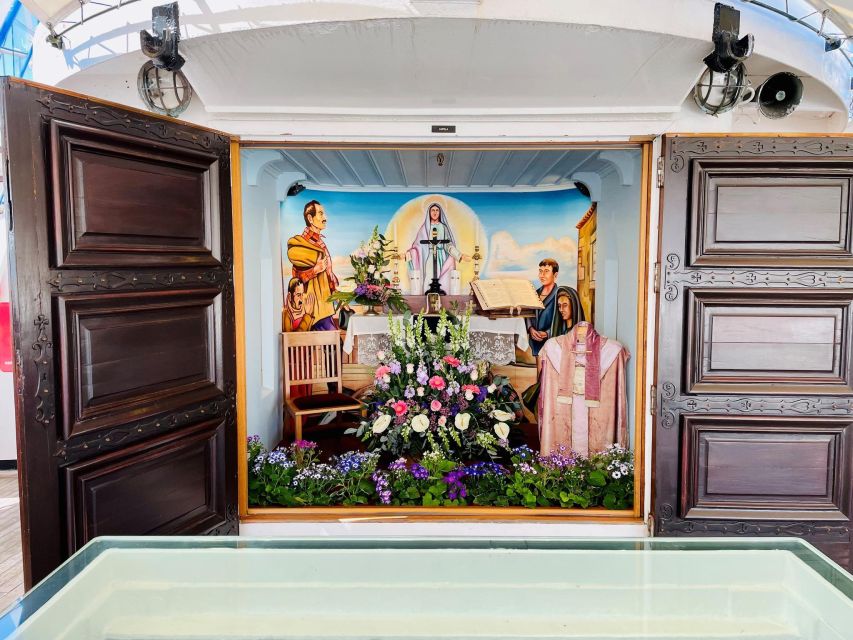
Between the medical stops and the public areas, the cabins and chapel add something the ship needs: the human scale. The museum includes various cabins and the chapel, which reflect how people lived and how spiritual support fit into ship life.
The ship also had a chaplain on board historically, and seeing the chapel restored as part of the museum helps you grasp that the mission wasn’t only physical. In a harsh environment, religious and emotional support mattered too.
Cabins are a reality check. They remind you that even on a ship built to save lives, people still had to live in tight spaces. The cabins make the story less abstract and more personal, especially if you’ve ever traveled in small quarters.
The museum’s real story: saved from scrapyard fate
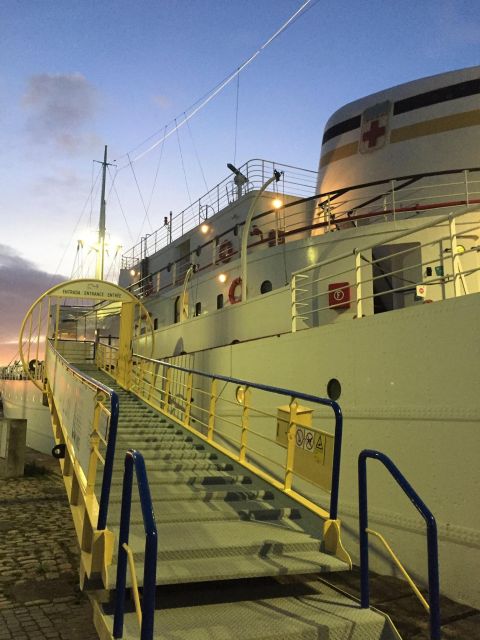
A big reason this visit feels meaningful is the survival story behind the ship itself. After its working life ended, the Gil Eannes decommissioned in 1984, then moved around Lisbon until it was sold to a scrap dealer in 1997.
At that point, it wasn’t just retired—it was in degradation, with equipment ransacked, and it was scheduled to be dismantled. The Vianense community stepped in, unified to bring the ship back home, and rescued it from the scrapyard.
It returned to Viana on January 31, 1998. After major restoration works at the Viana do Castelo shipyard, it docked in the city’s old commercial port so people could visit. That context changes how you see the museum spaces. You’re not only touring a ship—you’re seeing a community’s decision to preserve a slice of maritime work.
Price and value: is $6 worth your time?
At about $6 per person, this is strong value if you like hands-on history. You’re spending your money on a full walk-through vessel with many restored spaces—bridge, galley, bakery, engine room, operating theatre, doctor’s surgery, treatment room, radiology room, cabins, chapel, and temporary exhibit rooms.
The key thing is pacing. Because the ship covers lots of functions in one place, one day is enough to get the story without rushing through random exhibits. If you can handle walking through tight rooms and stairs, it’s a very efficient use of time.
Also, the museum is run by a non-profit (the Gil Eannes Foundation), which owns the ship. There are services and products available for tourists, and that adds a practical layer: you can support preservation while taking home something small if you want.
Practical tips for your visit (so you don’t feel rushed)
Plan for a full day, since the experience is built around moving through many spaces. Starting times depend on availability, so it’s smart to pick a time you can actually devote without stress.
You’ll need to present your voucher at the ticket counter before the visit begins. If you’re planning with a group, make sure everyone knows that step so nobody is stuck while you handle the line.
Language support is available in Portuguese, Spanish, and English, so you should be able to follow the story without feeling locked out. Still, even if you speak only basic phrases, the ship itself does a lot of the explaining because the spaces are so distinct from each other.
Who should book this ship museum (and who should skip)
I’d recommend this museum if you’re into maritime history, practical design, or “how things worked” stories. It’s a rare place where you can walk through both the everyday parts of a working vessel and the medical rooms designed for emergencies at sea.
You’ll likely enjoy it even more if you like learning through physical spaces rather than only reading panels. The ship’s compartments make the mission feel real, from navigating and powering the vessel to feeding the crew and then treating patients.
Skip it if mobility is an issue. It’s not suitable for people with mobility impairments. Visually impaired visitors may also find the experience difficult for the same general reason: it’s a ship with enclosed areas and museum stops where sightlines and movement matter.
Should you book this Gil Eannes Hospital Ship Museum visit?
If you’re anywhere near Viana do Castelo and want a meaningful, low-cost day with real atmosphere, I think it’s a yes. For roughly $6, you get far more than a standard museum stop because you’re walking through a functioning-style ship layout that explains how medicine, labor, and survival fit together.
Book it if you like maritime stories that connect technology and people. Pass if you need step-free access or if you rely heavily on visual navigation. Otherwise, you’ll probably leave with a strong sense of what life on the cod route was like—and how one ship helped keep the fleet going when conditions turned dangerous.
FAQ
Where is the Gil Eannes Hospital Ship Museum?
It’s in Portugal, in the Norte Region, and it’s docked at the city’s old commercial port in Viana.
How much does it cost to visit?
The entry price is about $6 per person.
How long should you plan for the visit?
It’s described as a 1-day activity, and you’ll have time to move through the different restored museum spaces aboard the ship.
What ticket steps do I need to complete before I go in?
You must present your voucher at the ticket counter before the visit begins.
What languages are available for the host or greeter?
The activity includes a host or greeter in Portuguese, Spanish, and English.
What parts of the ship can you see?
The restored spaces include the bridge, galley, bakery, engine room, operating theatre, doctor’s surgery room, treatment room, radiology room, various cabins, chapel, and temporary exhibit rooms.
Is there an option for children with a discounted add-on?
If you buy 2 tickets, you may add up to 4 children aged 7 to 16 years old for an extra €2 each. This is paid directly at the ship entrance upon arrival.
Is the museum suitable for people with mobility impairments or visual impairments?
No. It is not suitable for people with mobility impairments, and it’s also noted as not suitable for visually impaired people.