REVIEW · ALGARVE
Sagres: Coasteering – Swimming, Cliff Jump & Rock Climbing
Book on GetYourGuide →Operated by Sagres Coasteering Tours · Bookable on GetYourGuide
Sagres coasteering turns the coastline into your playground. You’ll move along rugged cliffs while wearing full safety gear, then spend real time in the water—jumping from cliffs, scrambling up rocks, and exploring hidden caves. Two things I love most: the guides’ calm, step-by-step coaching (even for first-timers) and the way the coastline looks when you’re actually part of it, not just watching from shore. A fair consideration: you’re dealing with tides, wet rocks, and uneven footing, so you’ll want the right shoes and a willingness to get uncomfortable.
This is the kind of activity where the route can flex for the group. If a jump or climb feels too much, you’ll usually be offered easier options instead of being pushed. Expect adrenaline, yes, but also a steady rhythm: learn technique on smaller moves, then progress if you want. One practical drawback to plan for: there’s no towel included, so bring one you don’t mind getting soaked.
In This Review
- Key Points You Should Know
- Getting Gear On and Nerves Down Fast
- Your 4 Hours on the Algarve Coast: How the Route Feels
- Cliff Jumps: How They Teach You to Stop Hesitating
- Swimming and Hidden Caves in Crystal-Clear Water
- Rock Climbing Scrambles: The Part Most People Underestimate
- Included Gear, Included Photos, and What You’ll Still Need
- Safety and Guide Style: What “Professional” Actually Means Here
- When Timing Changes Everything: Tides and the Start Time
- Who Should Book This Coasteering Session (And Who Should Skip It)
- Price vs. Value: Is $70 Worth It in Sagres?
- Final Call: Should You Book Sagres Coasteering?
- FAQ
- Where is the coasteering meeting point in Sagres?
- How long is the Sagres coasteering experience?
- What is the price per person?
- What’s included in the tour price?
- What should I bring with me?
- Do I need to be an experienced swimmer?
- Is the activity adjusted to different abilities?
- Who is the tour suitable for?
- What languages do the instructors speak?
- How does the starting time work?
Key Points You Should Know
- Safety gear is real: helmet, buoyancy aid, wetsuit, protective gloves
- Technique first, bigger jumps later: you’ll start smaller and build confidence
- Options are built in: you can skip a jump or choose an easier line
- Caves aren’t just scenery: you’ll swim and explore in clear coastal water
- Photos are included: high-quality shots taken during your session
Getting Gear On and Nerves Down Fast
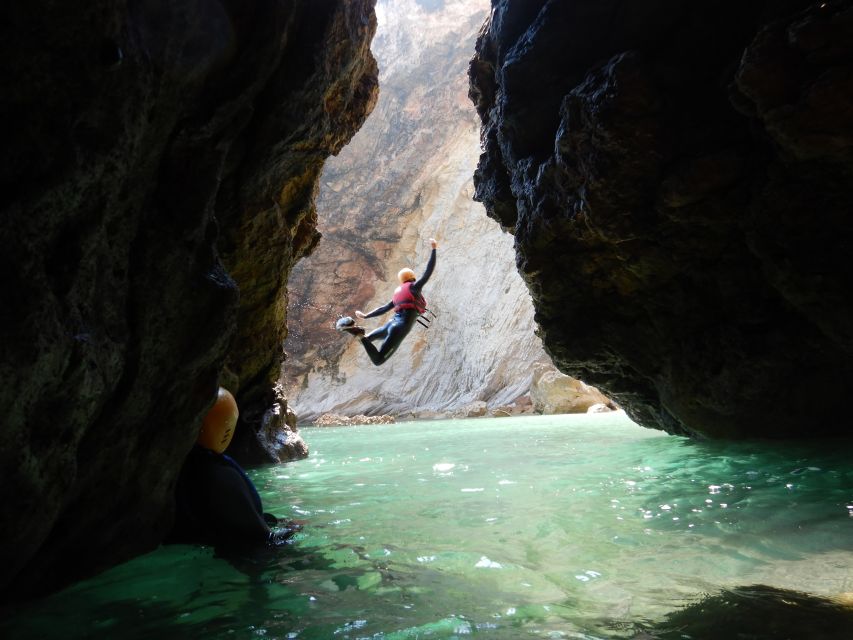
You’ll meet at the Good Feeling Surf School in Raposeira, at the bottom of the drive from the guesthouse area. Once you’re there, you’ll get fitted with top-of-the-range coasteering equipment: helmet, buoyancy aid, wetsuit, and protective gloves. This matters more than it sounds. It’s what lets the activity feel adventurous without turning reckless.
The guides also set the tone early—how to move on slick rock, how to handle the water, and how to approach jumps. People in the group can range from brand new to experienced, and the session is designed around that. I like that you’re not forced into the “all or nothing” mindset.
You’re going to be wet. Even with a wetsuit, you’ll feel the cold when you first get moving, especially in any coastal breeze. If you show up expecting a dry, polished tour, this will feel more like a sport than a sightseeing add-on.
You can also read our reviews of more tours and experiences in Algarve.
Your 4 Hours on the Algarve Coast: How the Route Feels
This runs for about 4 hours, but the exact starting time depends on tides and gets confirmed by the local partner the day before. That tide timing is not just a technical detail—it shapes what’s safe, where you can jump, and which parts of the coastline are accessible.
A typical rhythm looks like this:
- Gear up and safety briefing (getting your footing, learning the basics of the route)
- Warm-up jumps and technique (smaller steps first)
- Progression along the coast (your route gets more challenging as you build confidence)
- Swimming and cave exploration (clear water, close-up coastline views)
- Optional bigger jumps and final climbs
- Return and photo handoff (you get included photos after the tour)
You’ll be traveling along the rugged coast as a team, and the guide’s job is to keep everyone moving safely while still letting you feel free. In practice, that means the route is flexible and you’ll keep getting clear instructions instead of guessing what comes next.
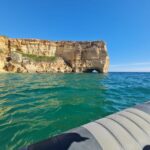
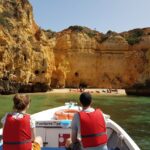
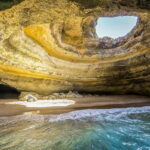
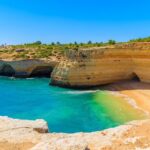
The coastline around Sagres is the star here. From water level, cliffs look steeper, caves look deeper, and the whole shoreline feels more alive. It’s a different way to understand the Algarve than a beach day.
Cliff Jumps: How They Teach You to Stop Hesitating
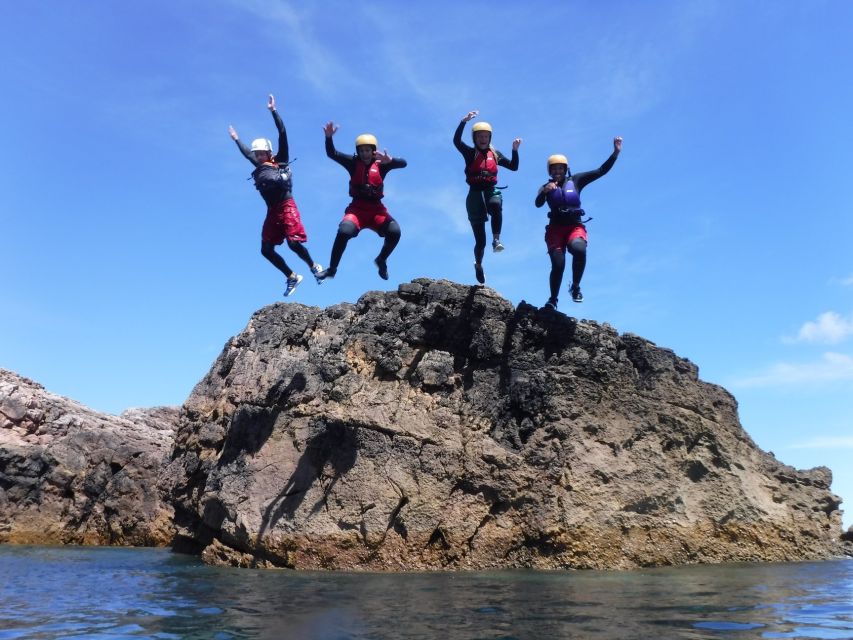
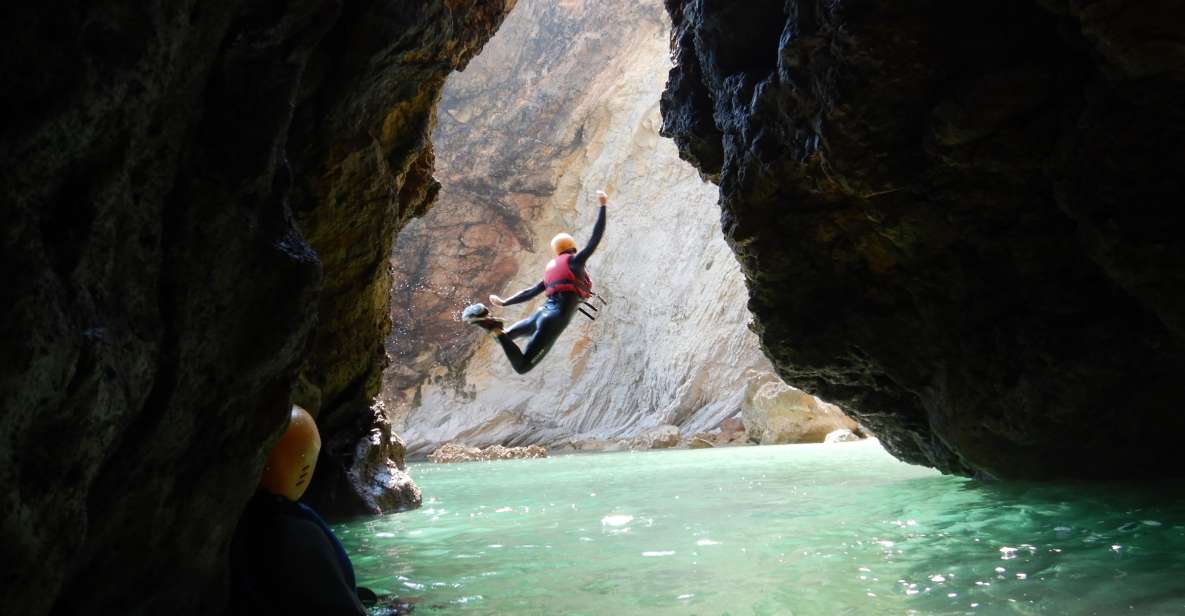
The cliff jumping is the headline for a reason. You’ll jump from amazing heights into the ocean, and you’ll feel the thrill in your stomach right when you leave the rock. The best part is that jumps don’t just happen all at once.
You typically start with smaller jumps to learn the timing and technique, then move on to bigger ones if you’re comfortable. Some sessions include jumps around 1 meter up to about 12 meters, depending on the route and the group. You won’t be pressured. The guides make it clear you can take easier alternatives if the height doesn’t feel right.
If heights make you nervous, you’ll still likely find this doable because the coaching is practical, not motivational talk. People often mention how guides help them take the next step without shaming fear. That’s the difference between a bragging-rights stunt and a guided adventure.
Swimming and Hidden Caves in Crystal-Clear Water
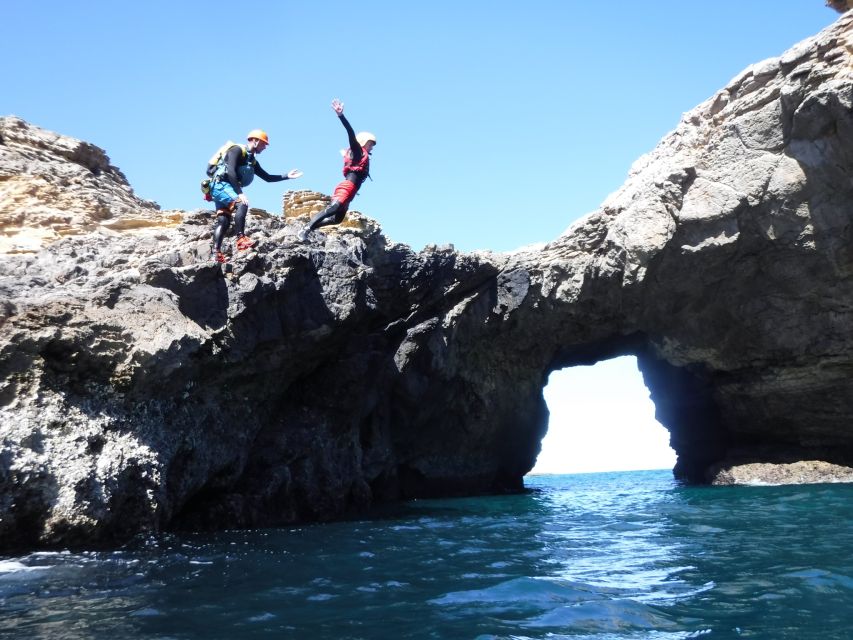
Swimming is a major part of coasteering, and you’ll do it in crystal-clear Algarve water. The wetsuit helps you stay warmer than you’d expect, and the buoyancy aid adds a layer of confidence. Good news: you do not have to be an experienced swimmer.
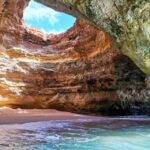
This is where the experience becomes more than adrenaline. When you swim near the rock, you can see the texture of the cliffs and the openings of sea caves. Many people talk about cave moments as the highlight, because you’re not just passing them—you’re inside the setting.
A key practical reality: you’ll be in and out of water, climbing wet rock sections, and moving through uneven areas. That’s why shoe choice matters a lot, and why “comfortable shoes” is not a generic packing suggestion.
Rock Climbing Scrambles: The Part Most People Underestimate
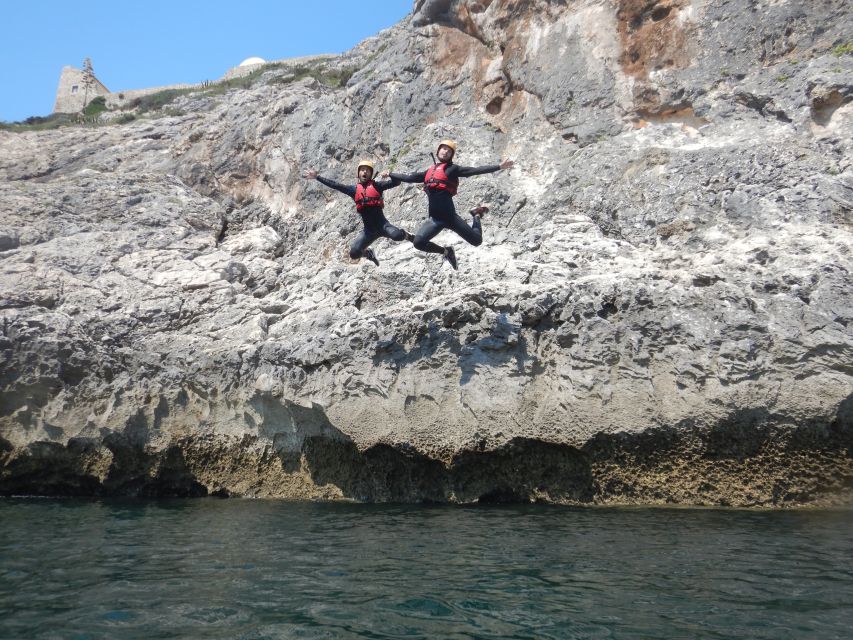
Coasteering isn’t just jumping and floating. There’s also rock climbing and scrambling, usually on uneven coastal rock where you’ll need balance and good technique.
The guide’s instructions help a ton here. You’ll get tips for where to put your feet, how to grip safely, and how to move without wasting energy. Even if you’re new, the route is set up so there are easier alternatives if climbs or scrambles feel like too much.
What I like is that this part builds momentum. Once you learn the movement style—low center of gravity, deliberate foot placement—you start feeling more connected to the coastline instead of just waiting for the next jump.

Included Gear, Included Photos, and What You’ll Still Need
For $70 per person, you’re getting a lot of the costly parts covered: helmet, buoyancy aid, wetsuit, protective gloves, and high-quality photos. If you’ve ever priced surf or adventure gear rentals, you’ll see the value quickly. You don’t have to hunt down a wetsuit, gloves, or a safety setup.
A small detail people sometimes overlook: towels are not included. Bring a towel, and plan for a change of clothes after you’re done. You’ll also want your own towel plus swim-ready footwear, because the wrong shoes make every step harder.
What you should bring:
- Comfortable shoes (that can handle getting wet)
- A towel
- Waterproof shoes
One tip from experience: if your shoes have a very thin sole, you’ll feel more of the pointy rock edges. Better options are sturdier water shoes or sneakers meant to get wet, with enough sole thickness for grip.
Safety and Guide Style: What “Professional” Actually Means Here
This activity succeeds or fails based on the guide. Luckily, the guide style here seems consistent: clear instructions, patience, and a strong focus on keeping everyone within their comfort zone.
In many reported experiences, guides like Callum and Bobby, or Jim, or Anne Marie/Annamarie, are described as funny but steady—helping you progress without pushing you into danger. You’ll also notice a repeated theme: difficulty increases gradually, and the route keeps moving in a way that supports learning.
That matters for you because coasteering is physical. You’ll be making quick decisions with slippery footing and limited time to process fear. The guide’s job is to simplify that: tell you what to do, show you how, and help you commit when it’s time.
Also, you can expect alternatives. If you don’t want a specific jump or can’t manage a climb, the guide can usually offer a safer, easier path through the same general area. That flexibility is what keeps the group moving happily.
When Timing Changes Everything: Tides and the Start Time
The exact start time depends on tides, and you’ll be told the confirmed time the day before. You’ll want to plan your day around that flexibility. It also means you should not schedule a tight connection right after your slot.
Tides aren’t just about water level—they influence where jump landings are safe and where passages work. That’s one reason coasteering guides take timing seriously. If you show up late or underprepared, you’re also affecting your group’s safety window.
If you’re the type who likes strict itineraries, this may take a bit of mental adjustment. But it’s also part of the authenticity here: you’re doing an ocean activity, not a theme-park ride.
Who Should Book This Coasteering Session (And Who Should Skip It)
Coasteering is best for people who like an active day and don’t mind getting wet. It’s great for groups and also works well when the group includes different comfort levels. If you want adrenaline with real coaching, this fits.
It’s less suitable for:
- Children under 8
- People with mobility impairments
Also, be honest with yourself about heights and scrambling. Even if you’re nervous, you’ll likely be able to do a modified route if you communicate with the guide early. If you’re worried about the water or climbing more than just a little, you might want to look for a less technical beach activity instead.
Price vs. Value: Is $70 Worth It in Sagres?
At $70 per person for about 4 hours, you’re paying for more than excitement. You’re paying for safety equipment, expert guidance, and content you don’t have to recreate: photos taken during the experience.
Here’s how I’d judge value:
- Gear included means you don’t need to rent or buy a wetsuit and safety items.
- Photos included mean you leave with proof you did something real, not blurry phone shots.
- Guide-led progression reduces the guesswork. You learn technique instead of just attempting jumps blindly.
If you’re already planning other paid adventures in the Algarve, this is a strong choice because it’s a different kind of day. You’ll go from beach lookouts to actual sea-level terrain—cliffs, caves, and jumps—without needing special equipment beyond what they provide.
Final Call: Should You Book Sagres Coasteering?
I think you should book this if you want a guided adventure that mixes cliff jumping, swimming, and rock scrambling with enough flexibility for you to choose your own level. The combination of clear safety coaching, optional alternatives, and included photos makes it feel like real value, not just a ticket for chaos.
Skip it if you hate wet gear days, struggle with slippery footing, or you fall into the non-suitable categories listed (especially mobility impairments or kids under 8). Also, if you’re expecting a relaxed sightseeing tour, this one will feel like work in the best way.
If you’re ready to trade tidy beaches for the rugged Sagres coastline, this is the kind of day you’ll remember.
FAQ
Where is the coasteering meeting point in Sagres?
You’ll meet at the office at Good Feeling Surf School in Raposeira, at the bottom of the drive from the guesthouse.
How long is the Sagres coasteering experience?
It lasts about 4 hours.
What is the price per person?
The price is $70 per person.
What’s included in the tour price?
Helmet, a buoyancy aid, a wetsuit, protective gloves, and high-quality photos of the tour are included.
What should I bring with me?
Bring comfortable shoes, a towel, and waterproof shoes.
Do I need to be an experienced swimmer?
No. You don’t have to be an experienced swimmer for this activity, even though swimming is part of it.
Is the activity adjusted to different abilities?
Yes. The coasteering activities are suited to the ability of the group, and easier alternatives can be provided if you don’t feel up to certain jumps or climbs.
Who is the tour suitable for?
It can work for groups, families with children, and individuals, but it is not suitable for children under 8.
What languages do the instructors speak?
The instructor is English.
How does the starting time work?
The exact starting time depends on tides and will be confirmed by the local partner the day before the activity.