REVIEW · LAJES DO PICO
Pico Island: Azores Whale & Dolphin Watching on Zodiac Boat
Book on GetYourGuide →Operated by Aqua Açores - Whale and Dolphin Watching · Bookable on GetYourGuide
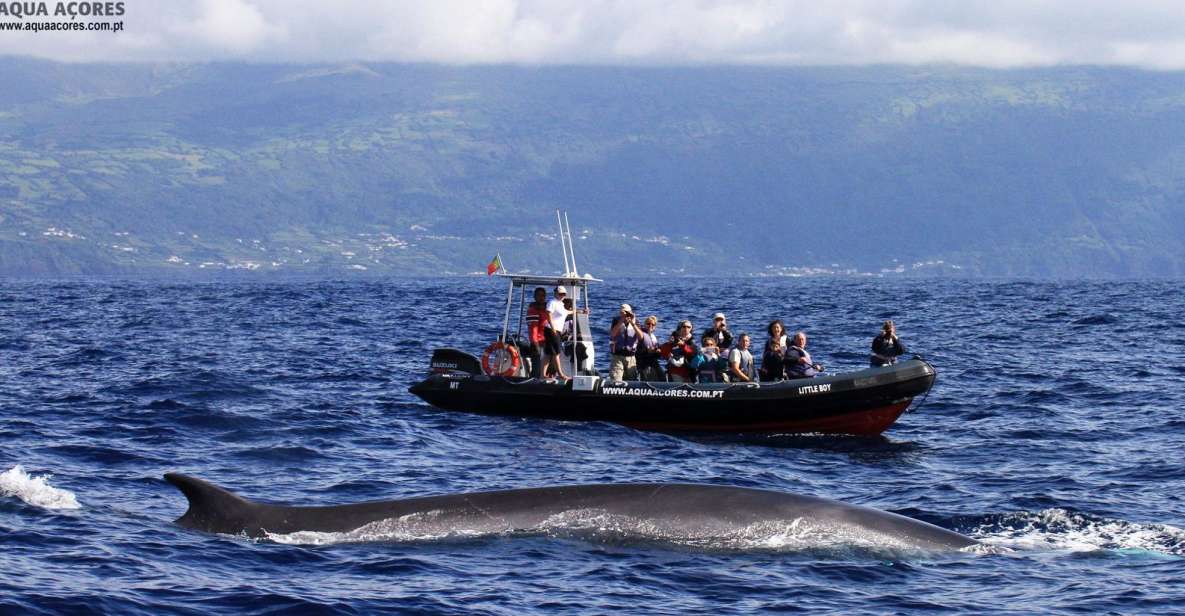
Whales and dolphins off Pico are electric. I love the Zodiac rib style ride, which keeps you close to the action without feeling like you’re stuck far back, and I especially like the marine guide briefing that helps you understand what you’re seeing (turtles, birds, whales, and dolphins) instead of just hoping for the best. You’re out for about 2.5 hours, cruising the Pico coast from Lajes do Pico while you scan for animal activity.
One thing to consider: the sea can get bumpy, and you may get soaked even with the waterproof top. If you’re prone to seasickness, the crew recommends taking a pill about 30 minutes before you go out, and this is also not a good fit if you’re pregnant, have back problems, or are traveling with very small children.
In This Review
- Key things I’d plan around
- Pico’s marine highway: what makes this Zodiac tour worth it
- Getting to Lajes do Pico and finding the meeting point fast
- Safety on a zodiac: waterproof gear, life vests, and slow approaches
- On the water: what you’re actually searching for out past Pico
- The guide’s role: turning a sighting into understanding
- Weather and ride reality: when the sea gets rough
- What you get after the boat ride: refreshments and a sightings card
- Price and value: is $53 per person a fair deal?
- Who should book this Pico zodiac whale watch
- Should you book this Pico Island whale and dolphin Zodiac tour?
- FAQ
- How long is the Pico whale and dolphin watching tour?
- Where do I meet for the tour?
- What’s included in the price?
- What should I bring with me?
- Is the tour suitable for pregnant women or people with back problems?
- What languages will the guide speak?
Key things I’d plan around
- Lajes do Pico harbor launch: quick briefing, then you’re on the water fast
- Waterproof top + life vest provided, so you travel lighter
- Spotting focus: birds, turtles, dolphins, and whales (with a long list of possible cetaceans in Azores waters)
- Slow, careful whale approach aimed at animal well-being
- Live guide talk in English or Portuguese that explains communication and behavior
- Good follow-through on land: welcome refreshments and a record of what you saw
Pico’s marine highway: what makes this Zodiac tour worth it
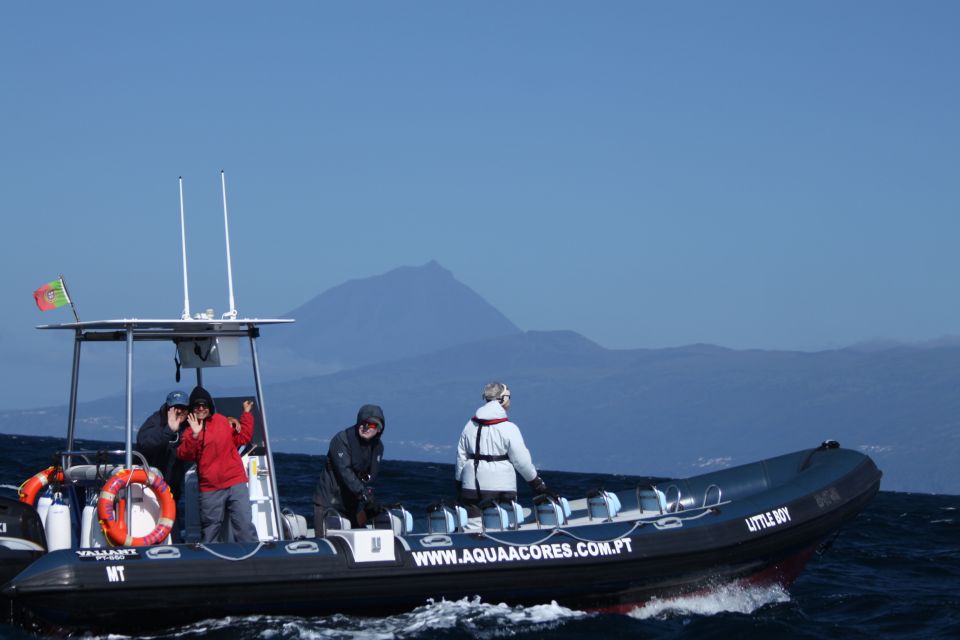
Pico Island sits in the Azores where the ocean is doing real work—moving, mixing nutrients, and supporting serious marine life. That’s why a whale-and-dolphin zodiac tour here isn’t just sightseeing. It’s a moving search mission, guided by people trained to read the water and set you up for better chances.
I like that this tour is built around multiple kinds of spotting, not only whales. You’re looking for birds and turtles too, which matters because animal sightings are never guaranteed. When conditions are right, the same viewing time can produce a mix of species: dolphins doing active surface behavior, whales surfacing in the distance, and seabirds tracing the food chain.
The other big value is the way you’re taught to notice. The guide gives you an introduction to whales and dolphins, including how they communicate and how behavior can change with migration patterns and daily habits. That turns the ride into something you can actually interpret, not just a checklist.
Getting to Lajes do Pico and finding the meeting point fast
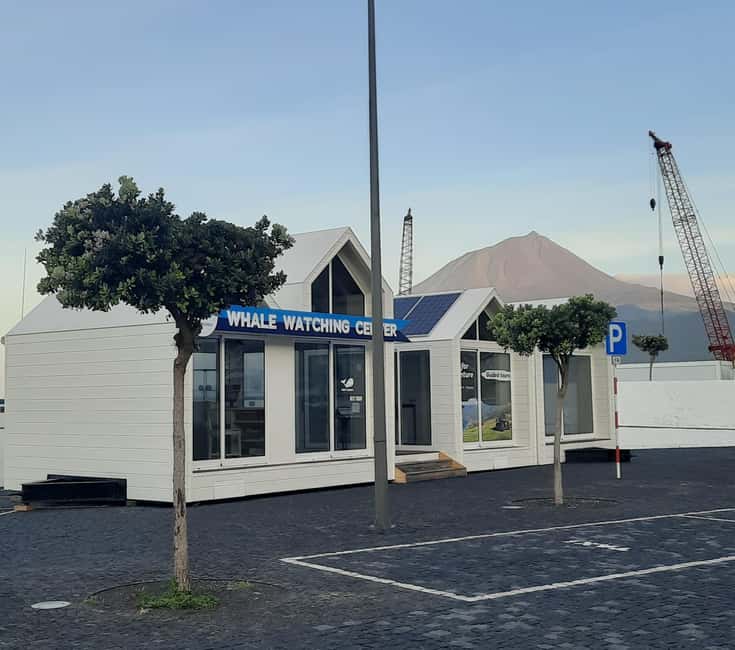
You meet at Aqua Açores, Lda – Whale and Dolphin Watching, starting from the entrance of Lajes do Pico harbor. Look for the Whale Watching Center sign in big letters. This is the kind of meeting point where being early helps: you get your safety gear sorted and you’re ready for the short briefing before boarding.
There’s no hotel pickup or drop-off included, so plan to arrive on your own. Since the tour runs from the harbor, that means you want to be able to handle short walking distances and uneven surfaces around a working port.
Also plan for practical weather realities. Pico can shift quickly, and your clothing matters even if you get a waterproof top. Wear comfortable layers and bring what you’d normally use for coastal wind and sun.
Safety on a zodiac: waterproof gear, life vests, and slow approaches
This trip is set up for safety from minute one. You’ll start with a briefing on the dock—about 10 minutes—then you board the Zodiac rib with life jackets and a waterproof top. The gear doesn’t make you invincible, but it does help you stay warm enough and dry enough to enjoy the spotting rather than fighting cold.
The crew also emphasizes animal-friendly behavior. When whales are in the area, you approach slowly and carefully, with the animals’ well-being in mind. That matters to you for two reasons: first, it’s respectful wildlife practice; second, it’s usually the difference between prolonged viewing and everyone seeing a wake and then nothing.
If you know you get motion sickness, take the recommended prevention pill about 30 minutes before you embark. And if you’re deciding between this tour and something calmer, be honest with yourself. Zodiac ribs move quickly, and a bumpy day can mean you get splashed.
On the water: what you’re actually searching for out past Pico
Your ride focuses on finding active cetaceans and the other marine life that often shows up with them. The highlights promise birds and turtles alongside whales and dolphins, and the route is built around cruising the Pico coastline to reach areas where animals are most active.
You’re told to look for a wide range of cetacean species associated with Azores waters—over 25 possible species. That’s a useful expectation-set. You’re not just waiting for one “famous” whale; you’re watching a living system where different species show up at different times and in different patterns.
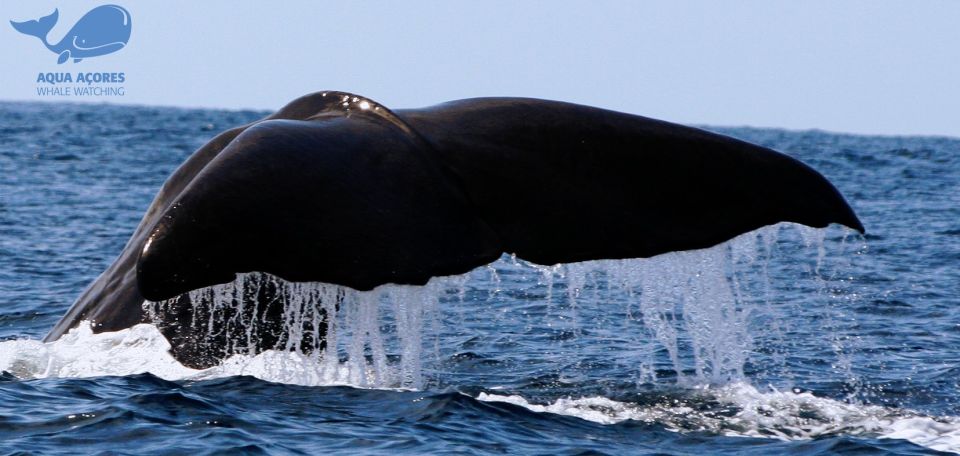
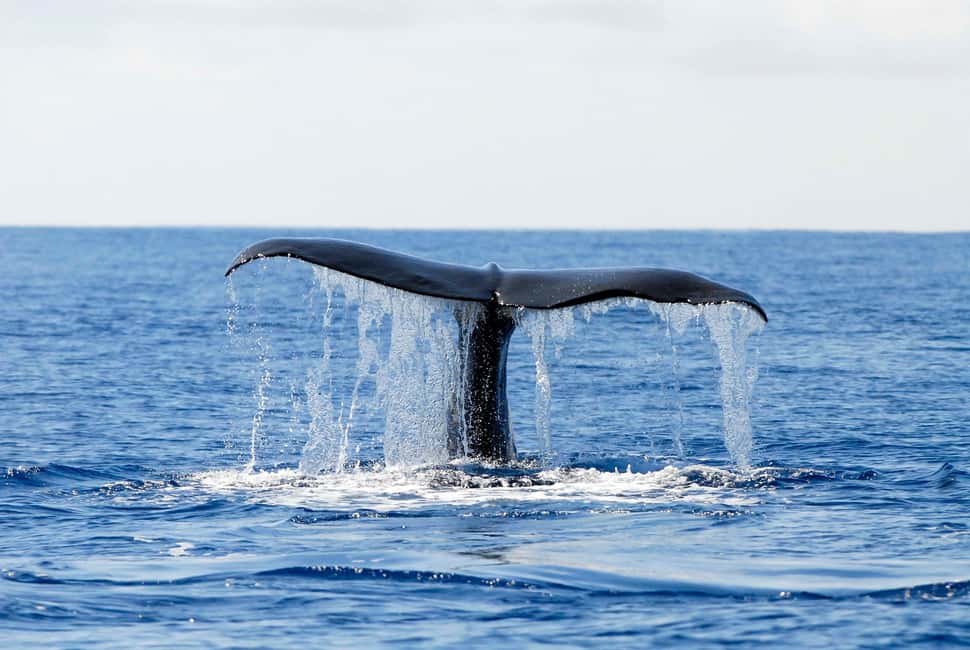
From real trip outcomes, you may see sperm whales and even young calves, plus blue whales and pilot whales when conditions line up. Dolphins are commonly spotted in multiple groups, and some days include turtles as well. None of this is guaranteed, but it shows why this particular setup is popular: the viewing window is long enough to allow for movement, and the zodiac’s speed helps you reposition when sightings pop up.
When dolphins are active, the water can start to feel like a game board: you scan, the guide calls out behavior, and suddenly the surface activity explains why you were looking in that direction. When whales surface, it tends to happen as a brief moment of discovery—so listening to the guide’s cues is your best tool.
The guide’s role: turning a sighting into understanding
This is one of those tours where the explanation improves everything. Before and during the outing, the guide offers a hands-on introduction to whales and dolphins: how they communicate, how they behave, and how patterns like migration can influence what you might see in the Azores.
I like this because it changes your attention. Instead of only hunting for a spout, you start noticing behavior—how a group moves, how long a surface moment lasts, and how animals react to changing conditions. The guide also talks about other marine species and their habitats, so even a turtle sighting or seabird activity feels connected rather than random.
Language support is practical too. The tour is offered with a live guide in Portuguese and English, which matters on a boat where it’s easy to miss details if you don’t fully follow. If you’ve ever been on a tour where the guide went quiet once animals appeared, this isn’t that style. The goal here is to help you identify what you’re seeing and learn why it’s happening.
You may meet guides with names like Raísa, Vania, or Monica, and the captain/crew experience is a key part of the operation. One review specifically mentioned an experienced skipper named Nelson, which fits the broader pattern: on-the-water spotting and safe repositioning take skill.
Weather and ride reality: when the sea gets rough
The Azores can be unpredictable, and this tour doesn’t pretend otherwise. Even with waterproof gear, you can get wet on a bumpy day. That’s normal here. What matters is how the operator responds.
On windy or high-wave days, the experience can change. You might still go out but get shortened viewing time, or the crew may offer options if wildlife spotting is limited (such as rescheduling or going out anyway). I’d treat weather like part of the deal, not an interruption.
If you want the best odds, aim for your most flexible day. When you’re locked into only one ocean outing with no alternatives, weather can force you into a “hope” situation. With flexible planning, you can match your whale-watch slot with the best sea conditions.
What you get after the boat ride: refreshments and a sightings card
The tour includes welcome refreshments after you return, about 10 minutes on land. Some departures also include small snacks like juice and crackers, which is a nice reset after salt air and wind.
There’s also usually a wrap-up touch that helps you remember what you saw. In past trips, guests have received a card confirming species spotted. That’s more than a souvenir. It helps you go home with accurate notes, which is handy if you want to look up behavior and identification details later.
Price and value: is $53 per person a fair deal?
At $53 per person for roughly 2.5 hours, this tour sits in a reasonable “you pay for the ocean access” category. You’re not only buying a ride—you’re paying for the boat time, a crew capable of safe repositioning, and a guide who translates animal behavior into something you can understand quickly.
Value comes from two places:
- Gear included: life vest and waterproof top mean you aren’t paying extra or packing as much.
- Chance for multiple species: birds, turtles, whales, and dolphins make the ride more likely to feel rewarding even if one type of animal is elusive that day.
A zodiac ride also means you’re getting the kind of speed and closeness that larger boats often can’t match. That can improve your odds of decent sightings because you can move toward activity when it appears.
Your main “cost” is weather risk: if the sea is rough, the experience might be wetter or shorter. But the same reality is why sightings can feel so immediate when conditions are good.
Who should book this Pico zodiac whale watch
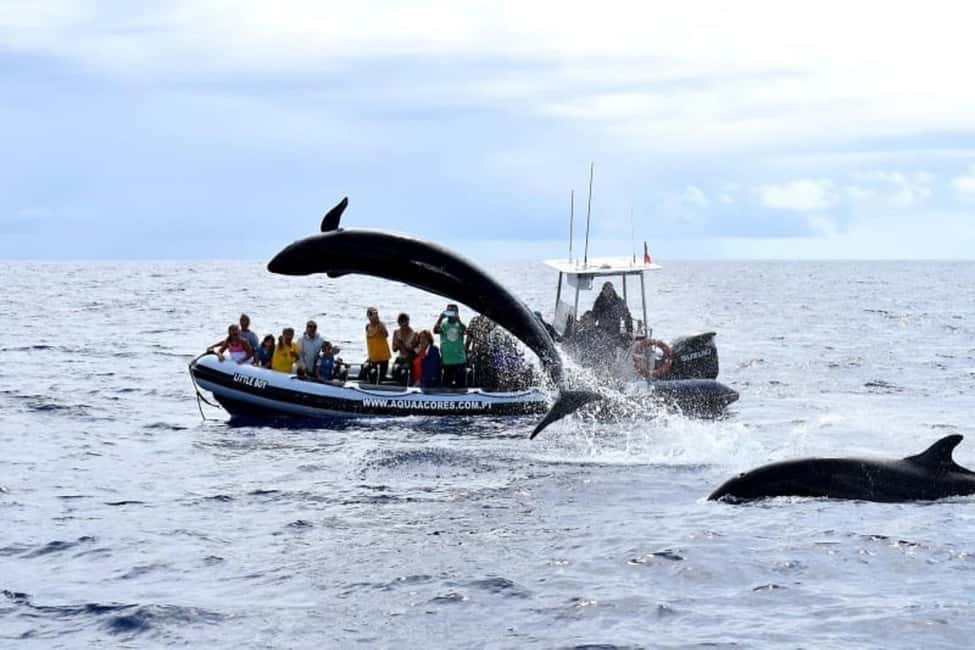
This is a strong match if you want:
- A hands-on, active wildlife search from Lajes do Pico
- A short tour that focuses on marine life and real-time spotting
- A guide who explains how whales and dolphins behave and communicate
- The freedom of a small, nimble boat rather than a slow, distant cruise
I’d be cautious if you:
- Have back problems, are pregnant, or are traveling with children under 2 (these groups aren’t suitable for the tour)
- Know you get motion sick easily and can’t take prevention measures
- Expect guaranteed whales on every outing (wildlife tours never work like that)
If you’re already planning other Pico activities, this pairs nicely with time on land because it’s short, focused, and gives you a completely different view of the island—Pico from the water, not from a viewpoint.
Should you book this Pico Island whale and dolphin Zodiac tour?
Yes, if you want a practical, guide-led wildlife outing with the right gear and the chance to see dolphins, turtles, and whales. The combination of Zodiac proximity, a marine guide’s explanation, and a well-run safety setup makes it feel like more than a gamble.
But only book it if you’re comfortable with an active boat ride. On a rough day, you may get soaked, and the experience can shift with sea conditions. If you’re flexible and prepared, this tour is a very good way to experience Pico’s marine life up close.
FAQ
How long is the Pico whale and dolphin watching tour?
The tour lasts about 2.5 hours.
Where do I meet for the tour?
Meet at the entrance of Lajes do Pico harbor. Look for the Whale Watching Center in big letters.
What’s included in the price?
You get a guide and skipper, the Zodiac rib boat, a waterproof top and life vest, and insurance.
What should I bring with me?
Bring a sun hat, sunscreen, a jacket, comfortable clothes, and weather-appropriate clothing.
Is the tour suitable for pregnant women or people with back problems?
No. It’s not suitable for pregnant women or people with back problems (and children under 2 years).
What languages will the guide speak?
The tour offers live guiding in Portuguese and English.