REVIEW · MAFRA
Mafra: National Palace of Mafra Entry Ticket
Book on GetYourGuide →Operated by Distributor: GetYourGuide Tours & Tickets GmbH · Bookable on GetYourGuide
Mafra Palace makes a bold first impression. This UNESCO site is a rare mix of royal grandeur and real museum stops, from the basilica to the palace collections, all in a compact visit. I love the sound-story of the six historic organs, and I also appreciate the scale of the library with 36,000+ volumes. The main downside to plan around is that parts of the complex can close for works, and the ticket is entry-only with no built-in audio or guide.
In practice, Mafra is the kind of place where time management matters. Your ticket covers the royal palace, convent, and basilica, and the average visit runs about 1–2 hours, so you’ll want to go in with a short game plan.
If you’re visiting around a holiday period or on a closed day, you’ll feel it fast. The palace is open daily from 9:30 AM to 5:30 PM except Tuesday, with last entry at 4:30 PM, and some major dates shut it down completely.
In This Review
- Key things to know before you go
- Mafra Palace in One Look: UNESCO Power, Royal Life, and Organ Heritage
- Price and Value: Is $17 Worth It?
- Planning Your Timing: Opening Hours, Last Entry, and a Realistic Visit Length
- Where You Scan Your QR Code and How to Start Smoothly
- The Basilica: Neoclassical-Baroque Drama and the Six Historic Organs
- Royal Palace and Convent Areas: 300-Year-Old Life in an Organized Complex
- Portugal’s Largest Library: 36,000 Volumes and a Key Plan-B Reminder
- Carillons, Art Collections, and the Hospital Wing
- Ticket Logistics: What You Get, What You Don’t, and How to Avoid Surprise
- Who This Is Best For (and Who Might Be Happier Elsewhere)
- Should You Book the Mafra Palace Entry Ticket?
- FAQ
- How long does the Palace of Mafra visit take?
- What is included in the Mafra Palace entry ticket?
- Where do I present my QR code?
- What are the opening hours?
- Is the palace closed on any dates?
- Is the ticket refundable?
- How long is the ticket valid?
- What happens if parts of the site are closed for works?
Key things to know before you go
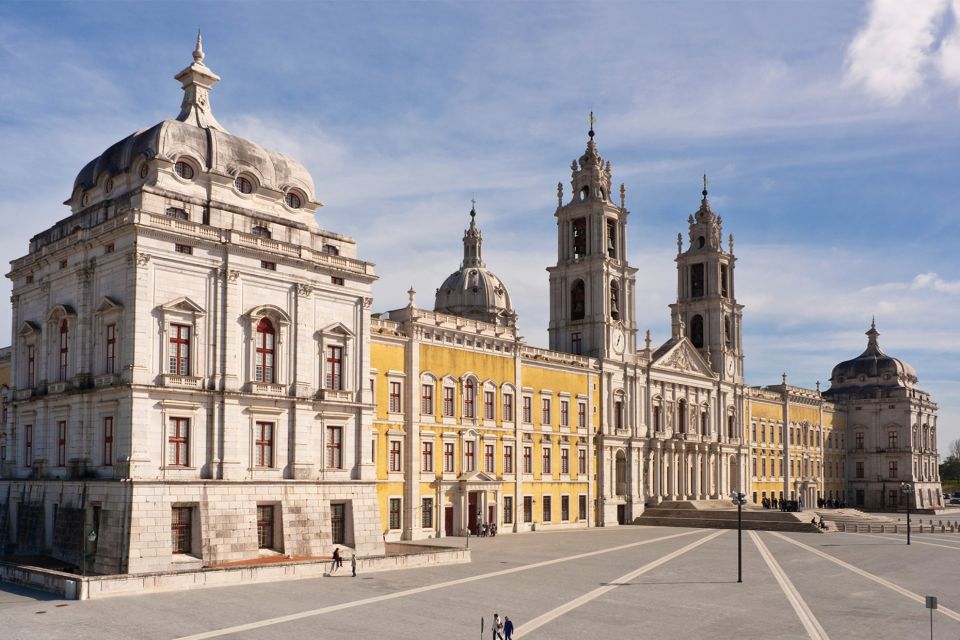
- Six historical organs in the basilica: a standout feature that turns a sight visit into something more memorable.
- Portugal’s largest library: over 36,000 volumes, with the scale being part of the magic.
- Royal complex with UNESCO status: a World Heritage Site since 2019 tied to Portugal’s 18th-century royal life.
- Two carillons and carillon-related moments: bells are part of the place, not just decoration.
- Important art collections: Italian sculptures and Italian and Portuguese paintings.
- Sometimes restricted access: basilica/library or specific wings can close for maintenance, so keep a Plan B mindset.
Mafra Palace in One Look: UNESCO Power, Royal Life, and Organ Heritage
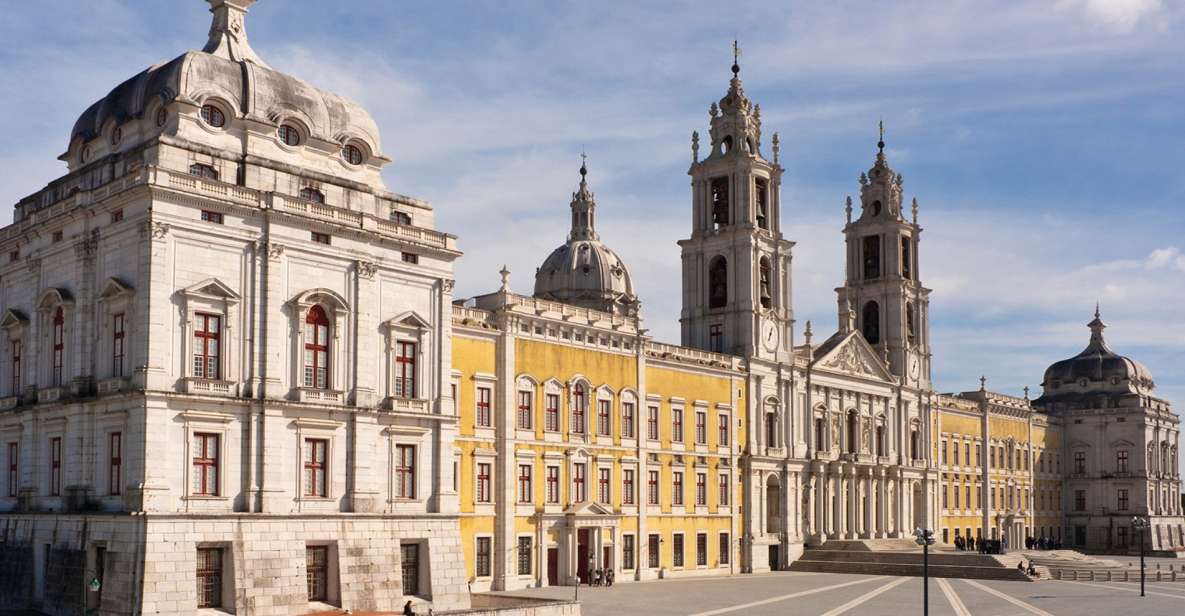
Mafra Palace sits in Lisbon District, and it’s the kind of UNESCO stop that feels designed for big “how did they build this” reactions. The complex is listed as a World Heritage Site since 2019, and it’s famous for its 18th-century architecture, mixing Neoclassical and Baroque styles.
What I think makes Mafra click for first-time visitors is the way the palace tells multiple stories in one ticket. You’re not only looking at royal rooms; you’re also seeing a convent setting, a basilica with serious musical history, and major collections housed inside the complex.
And yes, the organs matter. The basilica has a unique set of six historic organs. Even if you’re not an organ super-fan, that’s a detail that makes the basilica feel intentional and specific to Mafra—not generic church scenery.
Price and Value: Is $17 Worth It?
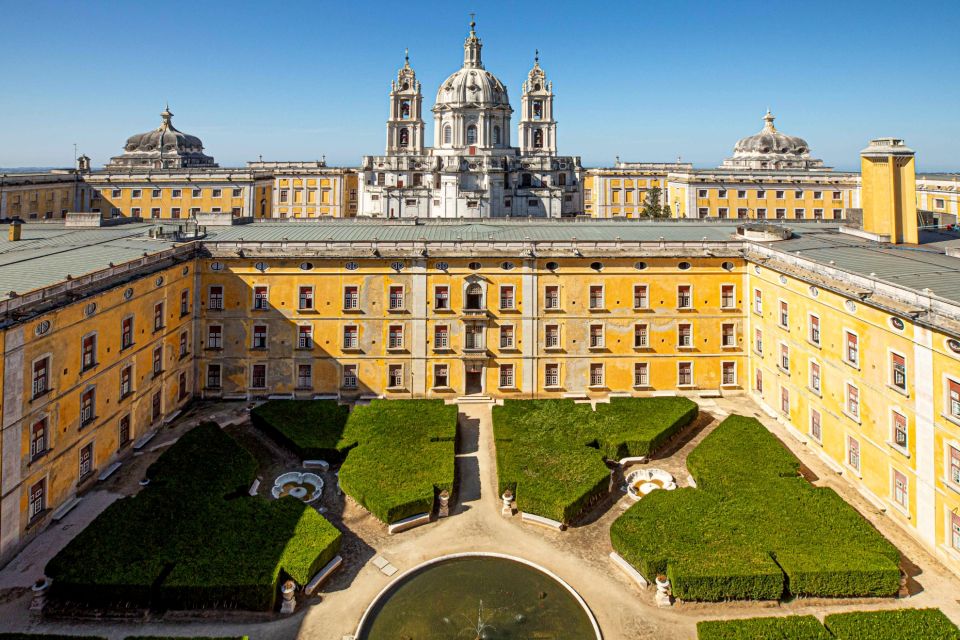
At $17 per person, the ticket lands in the “serious bargain” range for what you’re getting access to. You’re paying for an entry ticket that covers multiple areas of a UNESCO World Heritage complex: the palace, convent, and basilica.
Here’s the value math I’d use if I were planning your day: you’d need to be willing to spend at least an hour, ideally up to 2 hours, to feel satisfied. If you only want a quick photo stop, you might leave thinking you paid too much for too little time.
Also, consider what’s not included. Some recent feedback highlights that the experience doesn’t come with audio or a guide. That can make the collections and architecture feel harder to “read” on your own, especially if you like commentary.
Planning Your Timing: Opening Hours, Last Entry, and a Realistic Visit Length
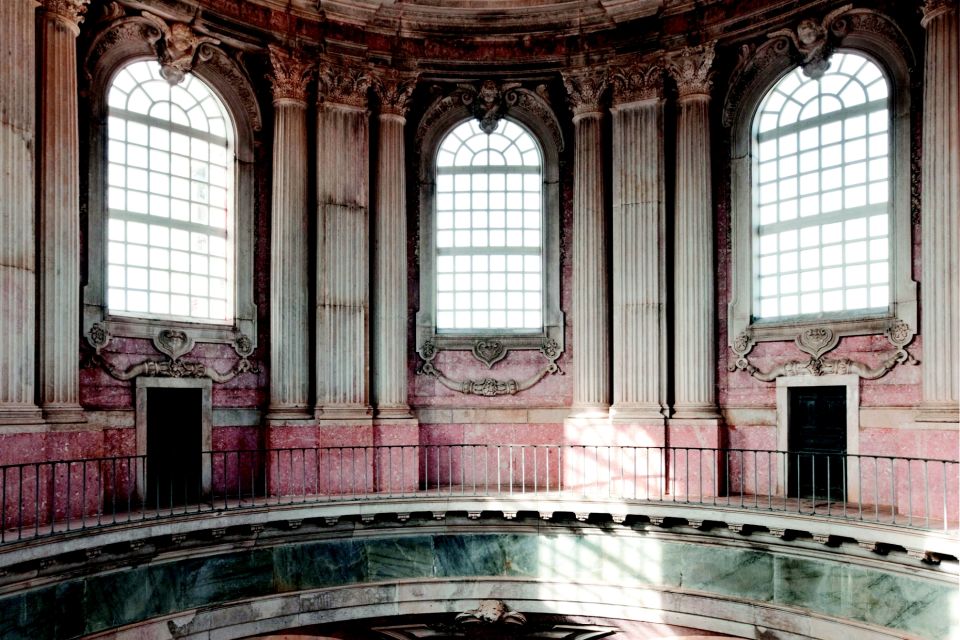
The palace is open 9:30 AM–5:30 PM daily, except Tuesday when it’s closed. Last entry is at 4:30 PM, so you’ll want to arrive with enough slack to move through the basilica and palace areas without rushing.
The average visit runs about 1–2 hours. That’s a useful number because Mafra is big in reputation, not necessarily in time required. I recommend treating it as a planned stop, not something you tack on casually between other attractions.
The palace is also closed on specific dates: January 1, Easter Sunday, May 1, Ascension Thursday, and December 25. If your trip overlaps any of those, don’t assume the ticket will still work—plan alternatives in advance.
Where You Scan Your QR Code and How to Start Smoothly
Your meeting point is straightforward: present your QR code at the entrance to the left of the basilica’s main entrance. That location matters because it sets the tone for your route. If you start in the right spot, you avoid the common first-20-minutes confusion of “Which entrance was it again?”
Once you’re in, you’ll want to move with purpose. Mafra is the kind of place where the most impressive elements are fixed and obvious—basilica first, then collections. If you wander too long early, you’ll hit the end of your allotted time before you reach the library or art rooms.
If you’re traveling at a busy time, last entry at 4:30 PM becomes your silent deadline. Build your day so you’re inside by mid-afternoon, not sprinting your way through.
The Basilica: Neoclassical-Baroque Drama and the Six Historic Organs
The basilica is the headliner for many visitors, and for good reason. It’s part of the UNESCO complex, it’s architecturally striking, and it’s home to a distinctive set of six historic organs.
For your visit, that means two good things happen when you’re in the basilica. First, the visual experience is powerful on its own. Second, the organ detail gives you something to “track” as you move—rather than treating it like a typical church stop.
Don’t underestimate how much of Mafra’s identity is tied to sound and ceremony. This place was used for royal religious feasts, and the organs are one of the clues to how this complex functioned as more than a museum set.
One practical note: some access can change due to works. If the basilica access looks restricted on your day, you can still enjoy the palace and convent areas, but you may need to adjust expectations around the organs.
Royal Palace and Convent Areas: 300-Year-Old Life in an Organized Complex
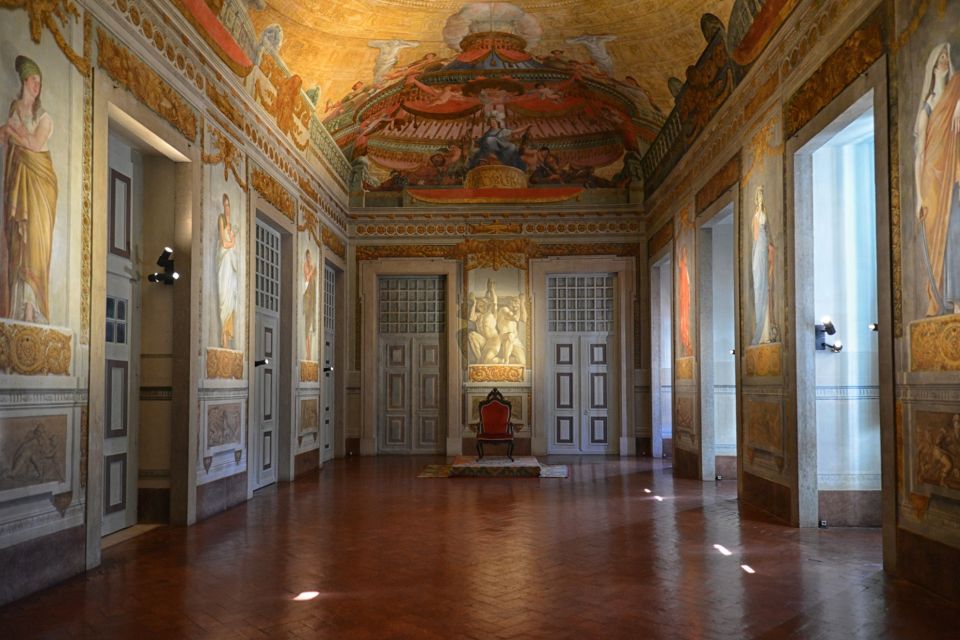
Your ticket covers the royal palace and the convent as well as the basilica. That matters because Mafra isn’t just a single grand room—it’s a full complex shaped for royal and religious life over centuries.
The palace’s story stretches about 300 years. It served as a home for royal events, including religious feasts, and it was also connected to hunting activities in a nearby game reserve. That context helps the spaces feel purposeful. You’re not only looking at architecture; you’re imagining a system of events and daily life centered on this one place.
What to watch for inside the palace-convent areas is the way the building connects art, function, and ritual. When you see it as a working complex, the collections and room types feel less random.
A potential drawback is access variability. Some areas like certain wings may be difficult to reach directly depending on what’s open. If you’re short on time, focus first on the parts that are always most central: basilica, major palace rooms, and the library if it’s available.
Portugal’s Largest Library: 36,000 Volumes and a Key Plan-B Reminder
The library is one of Mafra’s biggest “wow” points: Portugal’s largest library, with over 36,000 different book volumes. It’s not just a number to brag about. The scale is part of the experience—this is the kind of detail that makes a place feel built for long-term importance.
But here’s the real-life caution: if there are works, the library may be closed on the day you go. Some visitors have run into this, with the library not accessible even when everything else is open.
So how do you protect your day?
- Keep your schedule flexible enough that you don’t depend on the library being open to enjoy Mafra.
- If you care most about the library, prioritize it early in your visit window.
- If access is restricted when you arrive, switch to the palace and basilica focus and still treat the visit as worthwhile.
This approach keeps you from feeling like you paid for something that didn’t happen. You’re still visiting a UNESCO complex with major art collections and the basilica’s historic organs.
Carillons, Art Collections, and the Hospital Wing
Mafra also includes two carillons. Carillons are bell instruments, and even when you’re not hearing a performance, they’re a clue that this complex was designed for music and ceremony as part of daily identity.
The complex also holds major art collections: Italian sculptures and Italian and Portuguese paintings. If you like art history, this is where Mafra stops being only about architecture and starts feeling like an actual curated collection site.
One more element to know is the 18th-century hospital. It’s part of the complex, and it adds a different flavor to the visit because it expands the idea of what a palace complex could include. Still, access to that kind of wing can vary. Some areas may not be directly accessible, depending on what is open that day.
If you show up hoping to see everything in one pass, plan for the possibility that at least one area could be limited. I’d treat Mafra as a “top highlights first” museum day: basilica and organs, then art-heavy rooms, and then the library or hospital only if they’re accessible.
Ticket Logistics: What You Get, What You Don’t, and How to Avoid Surprise
Your ticket is entry-only. Included coverage is the royal palace, convent, and basilica. That’s a clear bundle, and it’s part of why the ticket feels reasonable for $17.
The trade-off is interpretation. Feedback has flagged that the visit doesn’t come with audio or a guide. If you love museum context and you learn best with commentary, you might feel like you’re seeing the objects but not always understanding the full story chain.
Also, some parts can be closed for works. That includes situations where popular stops like the library or basilica areas may be inaccessible, or where routes through the complex are partially blocked.
So my practical suggestion is to come prepared with at least a couple of “must-see” anchors: the six historic organs, the library scale (if open), and the art collections. Once you have those locked in, anything you can’t access becomes a bonus instead of a disappointment.
Who This Is Best For (and Who Might Be Happier Elsewhere)
This ticket is a great fit if you:
- want a UNESCO site that’s manageable in time (1–2 hours average)
- enjoy architectural stops with strong specific details (organs, carillons, library scale)
- like art collections, especially Italian sculptures and Italian/Portuguese paintings
- prefer a flexible self-paced visit where you can focus on what interests you most
You might choose something else if you:
- want guided commentary or built-in audio explanation
- need guaranteed access to every wing at all times
- only have a short window and want a very low-effort, no-brain stop
If your trip includes other major Lisbon-area sights, Mafra works well as a concentrated day outing. It’s not a multi-day deep museum marathon; it’s a focused hit of royal, religious, and art history in one complex.
Should You Book the Mafra Palace Entry Ticket?
Yes, I’d book it if your schedule is flexible enough to spend about 1–2 hours and you care about the basilica and the history tied to royal religious life. At $17, you’re paying for access to several major parts of a UNESCO complex, not just one room.
But book with eyes open. Expect an entry ticket experience without audio or a guide, and accept that works can sometimes restrict access—especially for rooms like the library. If you treat Mafra like a highlights-first visit, you’ll leave satisfied even if one section is closed on the day you go.
FAQ
How long does the Palace of Mafra visit take?
The average visit takes about 1–2 hours.
What is included in the Mafra Palace entry ticket?
The ticket grants access to the royal palace, convent, and basilica.
Where do I present my QR code?
Present your QR code at the entrance to the left of the basilica’s main entrance.
What are the opening hours?
The palace is open 9:30 AM to 5:30 PM every day except Tuesday, when it is closed. Last entry is at 4:30 PM.
Is the palace closed on any dates?
Yes. It is closed on January 1, Easter Sunday, May 1, Ascension Thursday, and December 25.
Is the ticket refundable?
No. This activity is non-refundable.
How long is the ticket valid?
The ticket is valid for 1 day. Check availability to see starting times.
What happens if parts of the site are closed for works?
You may find some areas, like the library or other sections, closed due to maintenance. If that happens, focus on the basilica and palace areas that remain open on your day.