REVIEW · ALFAMA
Lisbon with Tukxi: From East to West Private Tour by Tuk Tuk
Book on GetYourGuide →Operated by TUKXI MADEIRA - TURISMO, UNIPESSOAL LDA · Bookable on GetYourGuide
Lisbon feels like a city built on stairs. This Tukxi east-to-west private tour helps you see the old neighborhoods fast, without sweating every hill. You’ll get a smooth ride through the tight streets and picture stops at famous viewpoints.
Two things I especially like: the tour’s strong neighborhood-to-neighborhood flow and the way it mixes quick walking looks with ride-to-the-next-spot convenience.
The second highlight for me is the focus on viewpoints and story-driven stops: Graça and Nossa Senhora do Monte give you city-wide perspective, while areas like Mouraria bring in Fado-era context. It’s the kind of routing that helps you understand where everything sits.
One consideration: this isn’t for everyone. It’s not suitable for kids under 3, and it also isn’t a fit for pregnant women. Also, you still do short get-out-and-walk segments at viewpoints and churches.
In This Review
- Key points you’ll care about
- East to West by Tukxi: Why This Route Works in Lisbon
- Alfama First: Sliding Into Lisbon’s Old-Street Energy
- Santa Luzia, Lisbon Cathedral, and Portas do Sol View Breaks
- Graça and Nossa Senhora do Monte: Lisbon’s High-View Payoff
- Calçada da Amália, São Vicente de Fora, and Santa Engrácia Stops
- Mouraria to Baixa: Fado-Era Neighborhoods to Lisbon’s Downtown Spine
- Chiado, Pink Street, and Miradouro de São Pedro de Alcântara
- Belém Add-On: One More Hour for Riverfront Icons and Pasteis de Belém
- Price and Logistics: What $224 for Up to 4 Buys You
- Who This Tukxi Tour Fits Best
- Should You Book This East to West Tukxi Tour?
- FAQ
- How long is the Lisbon East to West private Tukxi tour?
- What is the price for the Lisbon tour?
- Does the tour include hotel pickup and drop-off?
- What neighborhoods and areas do you visit?
- Are there any viewpoint stops?
- Is food and drink included?
- Is there an option to extend the tour for Belém?
- What languages are available for the live guide?
- Is this tour private or shared?
- Is the tour suitable for children or pregnant travelers?
Key points you’ll care about
- East to west routing across the historic spine, so you’re not backtracking
- Big viewpoint time at Santa Luzia, Senhora do Monte, and São Pedro de Alcântara
- Stops tied to real Lisbon characters, including Mouraria’s Fado roots
- Private group pacing, with guides able to tailor the stops to your preferences
- Optional extra hour for Belém, aimed at getting you to Pasteis de Belém
East to West by Tukxi: Why This Route Works in Lisbon

Lisbon is famous for its hills, and that can turn a short visit into a leg workout. What I like about this tour’s layout is that it’s built as an actual route, not a random hopscotch of landmarks. You move from the older eastern neighborhoods toward the west, gradually shifting from maze-like alleys into wider city scenes.
The Tukxi tuk-tuk format matters here. It’s small, it can handle narrow streets, and it lets you cover ground while keeping your eyes up. You’re not stuck studying a map or wondering which hill is the one you need to tackle next. Instead, you get a sequence of short stops where you can take photos, look at façades, and read the city in layers.
The private part also changes the feel. With a guide (and driver) focused on your group, you can spend more time where you’re actually curious. That shows up in how guides handle timing—some keep the standard flow tight, others adjust if you want a longer photo break or want to shift emphasis toward viewpoints or neighborhood streets.
Alfama First: Sliding Into Lisbon’s Old-Street Energy
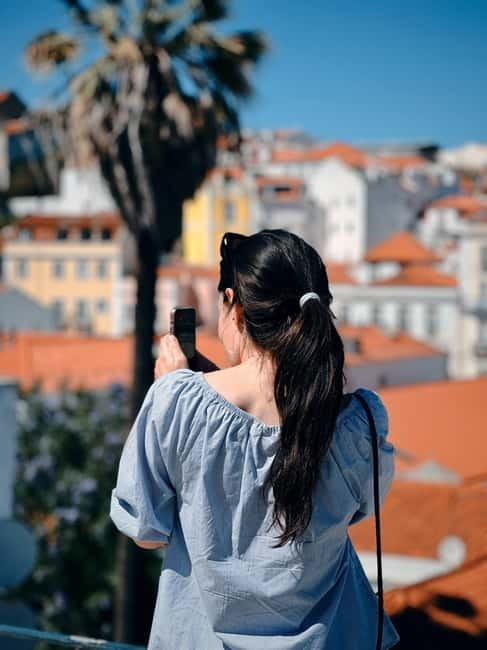
You start in Lisbon, then you get your first Tukxi ride that quickly sets you in motion. The early segment is designed to drop you into the part of the city where Lisbon’s personality shows up: Alfama.
Alfama is all angles—stone steps, tight lanes, balconies with laundry lines, and churches that seem to pop up around corners. The tour gives you a short stop here so you can actually absorb the vibe rather than just pass by it from the car window. You’ll get enough time to step out, look around, and reposition for photos.
What makes this stop valuable is the way it helps you understand the rest of the route. Alfama isn’t just a place to visit; it’s a reference point for Lisbon’s geography. Once you’ve seen it up close, later stops—cathedral area views, Graça angles, even Baixa’s flatter grid—start to make sense as the city’s layers.
A small practical note: these streets can be uneven and busy. The tour pace keeps things manageable, but you’ll want comfortable shoes just in case you do a bit more walking at the edges than you expect.
Santa Luzia, Lisbon Cathedral, and Portas do Sol View Breaks

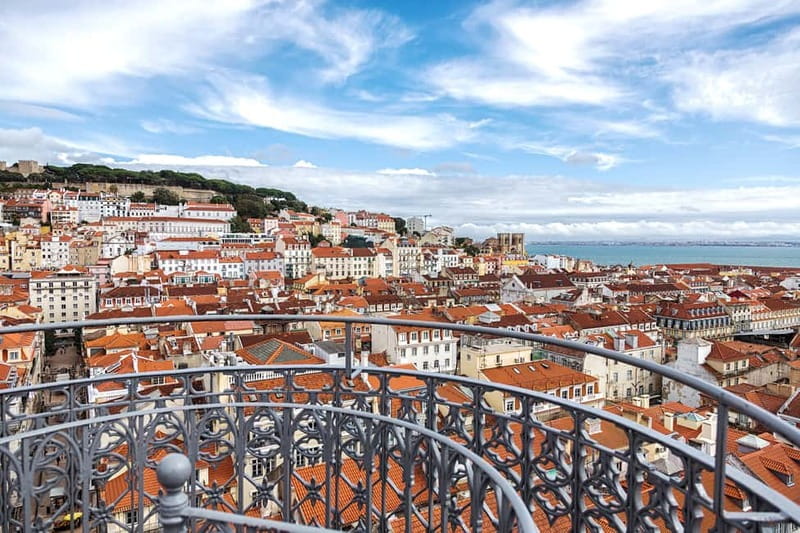
From Alfama you move toward some of Lisbon’s best “hold your phone steady” spots. The tour includes a stop at Miradouro de Santa Luzia, where you look out over rooftops with that classic pastel-and-tiles look. This is one of those viewpoints that rewards slow looking. Even if you only spend about 10 minutes, you’ll come away with a map in your head.
Then comes Lisbon Cathedral (a short sightseeing stop). This adds a different angle: less street texture, more monument scale. You’re not going in-depth like you would on a dedicated church visit, but you get the feel of the area’s importance and why it’s still a landmark center.
Next you hit Largo Portas do Sol, a compact stop designed for quick photos and a fresh angle over the river side of the city. Taken together—Santa Luzia to Cathedral to Portas do Sol—you get viewpoint variety without losing momentum.
This is where the private-guide storytelling becomes useful. Guides often use these stops to explain what you’re looking at and how the neighborhoods relate. It’s the difference between seeing a view and understanding why it’s there.
Graça and Nossa Senhora do Monte: Lisbon’s High-View Payoff
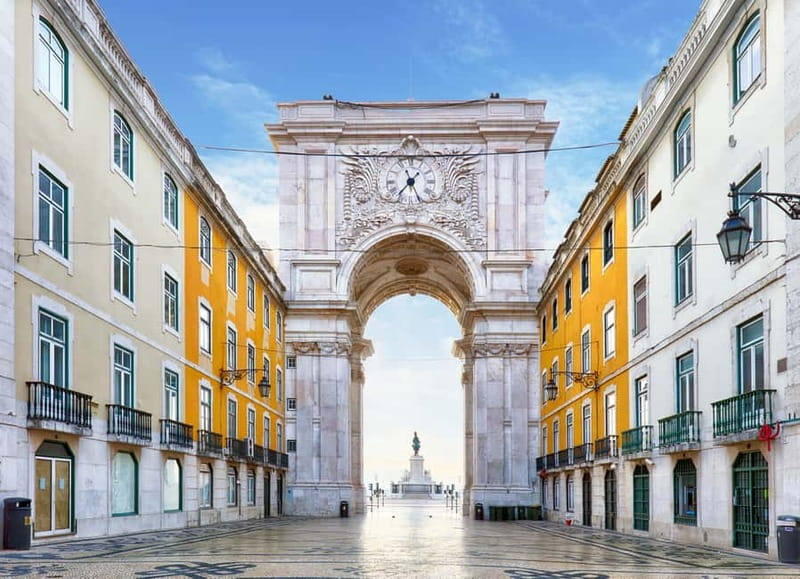
Then the tour climbs into Graça, with a longer sightseeing segment through the neighborhood. Graça is less about one single monument and more about the experience of being up on the hill—streets with big perspective, churches, and the feeling that you’re standing in Lisbon rather than simply visiting it.
You also get a stop at the Church of Our Lady of Grace. This is a quick but meaningful pause—enough to notice architectural details and feel the religious center vibe of the hill district.
The true highlight here is Miradouro da Senhora do Monte. This viewpoint is one of Lisbon’s highest practical stops, and the tour schedules time for you to take it in. Expect wide views across rooftops, the river direction, and that layered feel of the city stepping down and around.
In the reviews, guides frequently get praised for how they handle viewpoint time—short enough to keep energy up, long enough to actually get photos. One tip if you care about images: arrive ready to shoot, then take a second round once you see where the light falls. Even with limited time, you can do better than one quick snap.
After that, you transition through nearby streets and landmark clusters, including short stops connected to the historic hill setting.
Calçada da Amália, São Vicente de Fora, and Santa Engrácia Stops
As you continue across the higher districts, the tour includes quick sightseeing stops that add texture to what you’ve already seen.
You’ll pass Calçada da Amália, a named street stop that helps anchor Lisbon’s cultural identity in a physical place. It’s the kind of detail that makes the day feel less like a checklist and more like a guided story.
Then you have brief stops at Monastery of São Vicente de Fora and National Pantheon of Santa Engracia. These stops aren’t long museum-like visits, but they’re useful for understanding Lisbon’s mix of religious institutions, art, and civic identity.
Why I think these quick hits work: after the long viewpoint segments, your brain wants variety. You’ve been looking out; now you shift to structure—stone, scale, and landmark presence. Even if you only have 5 to 10 minutes at each, you’ll leave with stronger visual memory than you’d get from pure riding.
If you’re the type who likes to connect names to places, these stops make it easier. You’ll know what to search later and what to return to when you have more time.
Mouraria to Baixa: Fado-Era Neighborhoods to Lisbon’s Downtown Spine
Next comes Mouraria, and this is a big cultural pivot. Mouraria is often associated with Fado’s roots, and it’s not just a trendy label—it’s a neighborhood with a history you can feel in the street energy. The tour schedules a solid chunk of time here, so you can walk a bit, look around, and get the neighborhood context rather than treating it like a fast photo stop.
Guides frequently use Mouraria as a storytelling base, linking what you see to how Lisbon’s culture developed. If you’re curious about music, local character, or why certain neighborhoods became known for specific traditions, Mouraria is the place to pay attention.
Then you move toward Baixa de Lisboa (pass by), and into key central areas:
- Rossio Square (short stop)
- Santa Justa Lift (quick sightseeing)
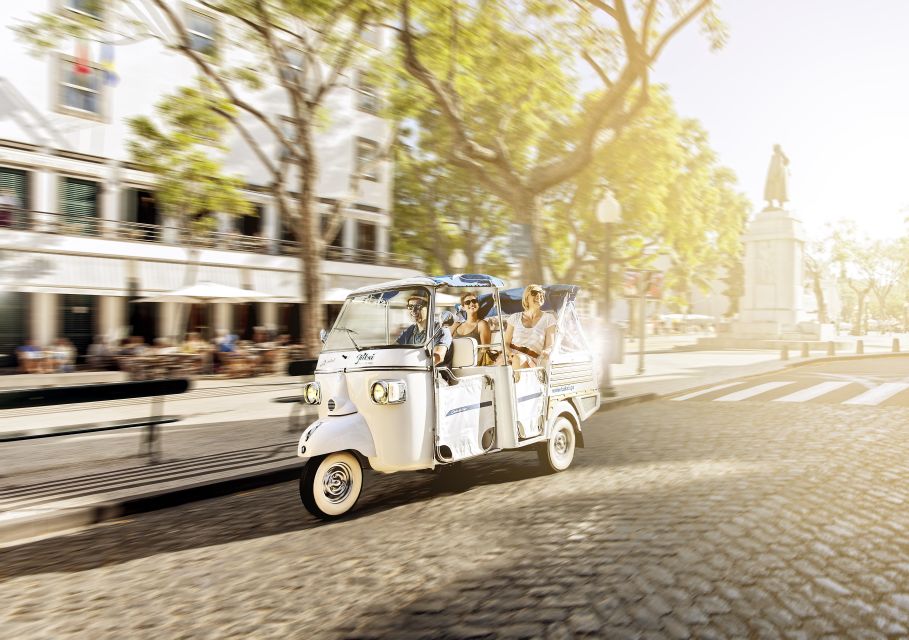
- Praça do Comércio (time to take in the broad river-side feel)
This middle stretch matters because it shows Lisbon’s contrast. After narrow hill streets, Baixa feels more organized and open. It helps you understand how the city navigates between “old maze” and “downtown grid,” and it gives your legs a break between hill moments.
Santa Justa Lift is a quick stop, but it’s also a useful landmark. Once you’ve seen it in person, you’ll spot it later on photos and understand where it sits in the city center.
Chiado, Pink Street, and Miradouro de São Pedro de Alcântara
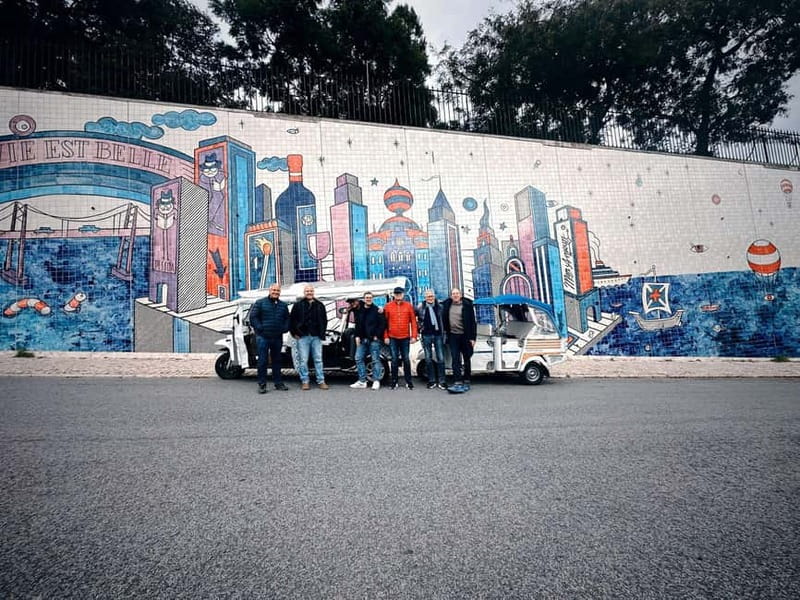
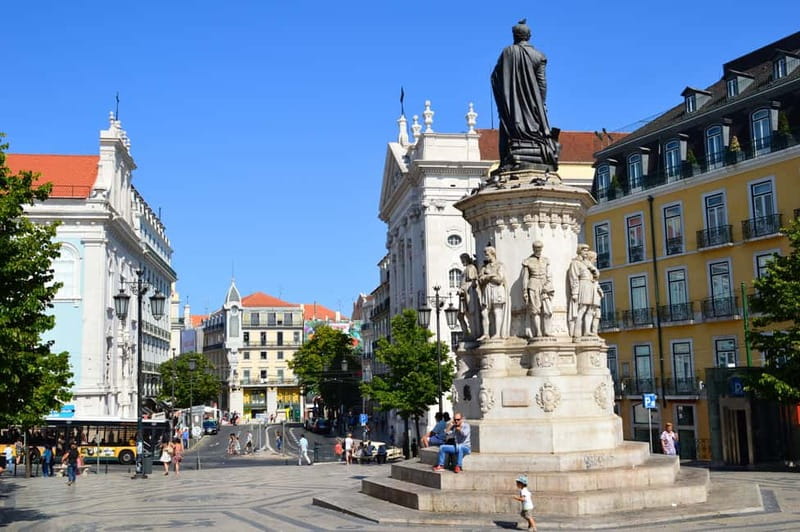
As you continue west, you enter Chiado with the longest continuous stop in this part of the route. Chiado is a change of mood—more strolling energy, more shops and city life, and a different kind of Lisbon street scene than Alfama or Graça.
You’ll also pass Pink Street and get a short sightseeing stop. Even if you don’t treat it as a “scene” stop, it’s useful for understanding Lisbon’s modern identity layered onto historic space.
Then you go to Miradouro de São Pedro de Alcântara. This viewpoint is another classic “pause and look” moment, offering a different hill angle than Senhora do Monte. The tour gives you time to take it in without dragging out the schedule.
Finally, you end with Carmo Convent. This stop helps close the historic loop with a landmark you can recognize and talk about later. It’s a good ending point because it feels connected to the city’s broader story rather than just one neighborhood’s personality.
Belém Add-On: One More Hour for Riverfront Icons and Pasteis de Belém
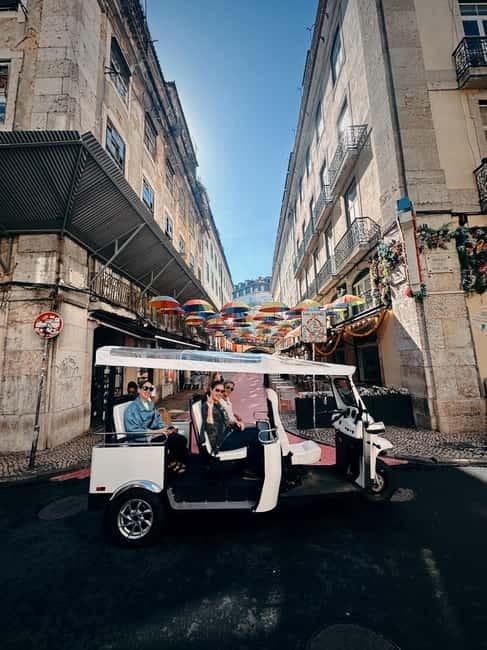
If you choose the extra hour, the plan shifts toward Belém. You get extra exploration time plus the chance to try Pasteis de Belém.
This is a smart add-on if:
- it’s your first time in Lisbon,
- you want at least one westward “must eat” experience,
- and you don’t want to spend your main day in transit trying to coordinate Belém separately.
One note: food and drinks aren’t listed as included, so plan to pay for your own treats. That said, scheduling time for Belém makes it far more likely you’ll actually do it than if you’re trying to squeeze it in on your own at the end of the day.
You’ll leave with a more complete picture: not just the hill neighborhoods, but also the riverfront legacy area that feels like another Lisbon chapter.
Price and Logistics: What $224 for Up to 4 Buys You
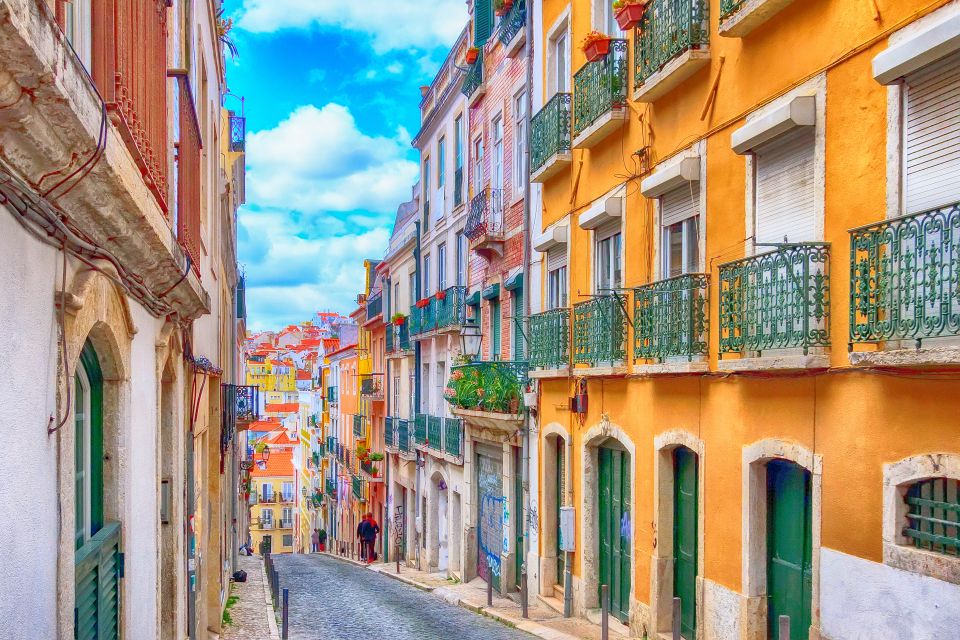
The price is $224 per group up to 4 for about 3 hours. For a private tour, that can be very workable because you’re paying for time, transportation, and guide attention—not just entry to places.
Here’s the value math most people end up thinking about:
- With 4 people: about $56 per person
- With 3 people: about $75 per person
- With 2 people: about $112 per person
If you’re traveling as a duo, it can still be worth it if you value a guide who can tailor stops and help you understand what you’re seeing without spending the whole day on hills and transit.
Logistics-wise, the tour includes hotel pickup and drop-off, which is a real win in Lisbon. It reduces decision-making stress. You also have a live guide with multiple language options (German, Portuguese, English, Spanish, French). That matters because it changes how much you get from the story stops.
One practical consideration: because you’re moving between neighborhoods and viewpoints, you’ll want to travel light. If your group has limited mobility or you prefer minimizing walking, you may want to consider whether the short get-out moments are comfortable for you.
Who This Tukxi Tour Fits Best
This is ideal for you if it’s your first day in Lisbon and you want orientation fast: you’ll get a clear sense of where things are, which neighborhoods you loved, and what you might want to return to.
It also suits you if you:
- want to avoid stair-heavy days,
- prefer a private pace over crowded group tours,
- like history explained as you see places, not as a lecture.
Based on guide behavior described in the field, the experience also tends to work well when you’re flexible. Many guides are praised for adapting on the spot, finding good stops for photos, and keeping the day fun even if weather throws curveballs.
Should You Book This East to West Tukxi Tour?
Yes, I’d book it if you want a structured, hill-smart way to understand Lisbon in a half-day window. The route covers the neighborhoods that help you make sense of the city fast, and the viewpoints do real work for your photo and orientation goals.
I’d think twice only if you:
- need a fully wheelchair-friendly or fully no-walk setup (short walking segments are part of the format),
- or you fall into the tour’s stated limits (not suitable for children under 3, and not suitable for pregnant women).
If you can do that much walking, bring comfy shoes, and come ready to look up, this is a great first-step tour.
FAQ
How long is the Lisbon East to West private Tukxi tour?
It runs for 3 hours.
What is the price for the Lisbon tour?
It’s $224 per group, up to 4 people.
Does the tour include hotel pickup and drop-off?
Yes. Hotel pickup and drop-off are included.
What neighborhoods and areas do you visit?
You’ll cover Alfama, Mouraria, Graça, and you’ll also see Chiado, Baixa, Rossio Square, Praça do Comércio, and more viewpoint stops across the route.
Are there any viewpoint stops?
Yes. You’ll visit viewpoints including Miradouro de Santa Luzia, Miradouro da Senhora do Monte, and Miradouro de São Pedro de Alcântara.
Is food and drink included?
No. Food and drinks are not included, even though the route includes a stop to sample Portuguese ginja and an option to try Pasteis de Belém with the extra hour.
Is there an option to extend the tour for Belém?
Yes. You can add an extra hour to explore Belém and try Pasteis de Belém.
What languages are available for the live guide?
The tour offers live guidance in German, Portuguese, English, Spanish, and French.
Is this tour private or shared?
It’s a private group tour.
Is the tour suitable for children or pregnant travelers?
It’s not suitable for children under 3 years old, and it’s also not suitable for pregnant women.