REVIEW · BAIRRO ALTO
Lisbon: Alfama, Bairro Alto and Downtown Walking Tour
Book on GetYourGuide →Operated by Lisbon Roots · Bookable on GetYourGuide
Lisbon rewards the patient walker, and this route is a great test. You’ll move from the medieval feel of Alfama to the baroque-and-art-deco energy of Bairro Alto, with the Gloria funicular and the classic 28 tram to help you get your bearings. I especially like how the tour pairs neighborhood atmosphere with architecture you can actually see—pretty buildings, not museum stuff. One thing to keep in mind: the meeting point area can be easy to misread at first, so arrive a few minutes early.
For a half-day at $82 per person with a private guide, this is a smart way to cover a lot without turning your day into a checklist. The tour runs about 3 hours, and the guide can work in Spanish, English, French, German, or Italian. If you’re the type who likes explanations and practical tips, this format fits well.
In This Review
- Key highlights worth planning for
- Why Alfama and Bairro Alto fit a half-day plan
- Statue of Saint Vicente: your first Lisbon moment
- Gloria Funicular: the ride that teaches you where you are
- The 28 tram through downtown: classic transport, useful context
- Alfama’s medieval atmosphere: walking in the older Lisbon
- Bairro Alto and downtown architecture: belle époque meets art deco
- Private guide power: why this format feels personal
- Price and practical value: what $82 really buys
- Timing, starting, and how to get the best out of 3 hours
- Should you book this Lisbon Alfama, Bairro Alto and Downtown walking tour?
- FAQ
- Where does the tour meet?
- How long is the tour?
- What is included in the price?
- What is not included?
- Which neighborhoods are covered?
- What transportation highlights are included?
- Is the tour private?
- What languages are available?
- Can I cancel and get a refund?
Key highlights worth planning for
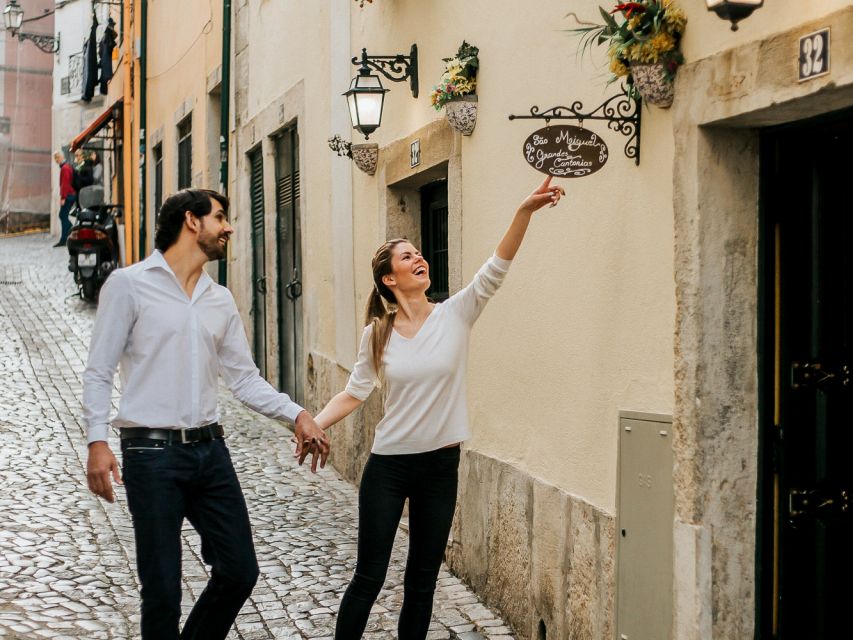
- Gloria funicular ride from Baixa toward Bairro Alto for a quick, memorable transit moment
- 28 tram experience as you connect the city-center dots
- Alfama’s medieval district vibe in one of Lisbon’s oldest, most typical neighborhoods
- Bairro Alto and downtown architecture with belle époque and art deco touches
- Private guide attention that can match what you care about most
- Lisbon’s funicular culture explained through one of the city’s three funicular railways
Why Alfama and Bairro Alto fit a half-day plan
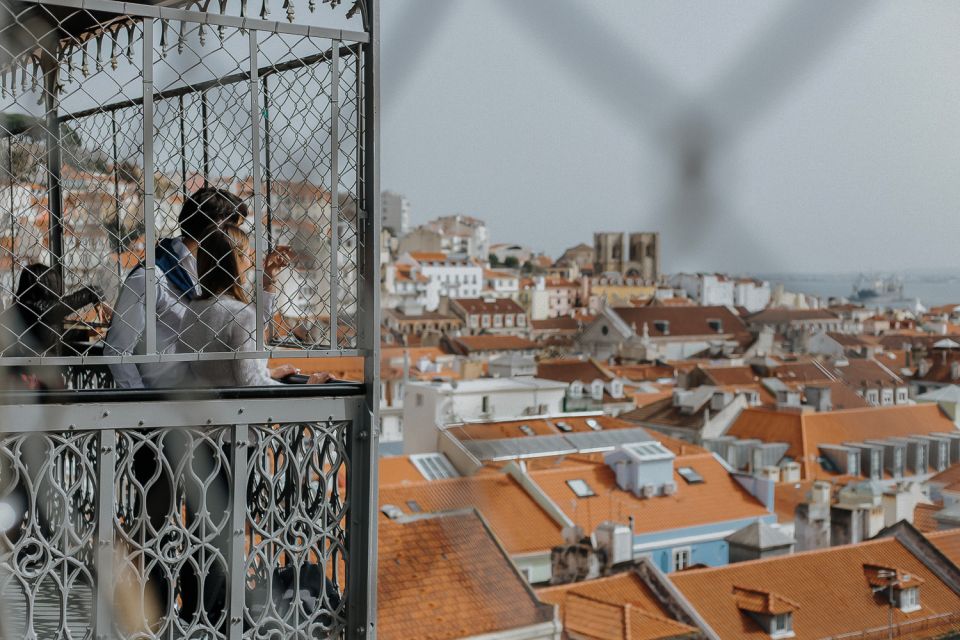
This tour is built around two neighborhoods that feel different in texture, not just on a map. Alfama is the older, medieval side of Lisbon—described as one of the oldest and most typical districts—so it’s where the city starts to feel real, not staged. Then you shift toward the city-center feel of Bairro Alto, where you get a blend of baroque and more modern-looking art deco and belle époque styling.
The value here is time. In just 3 hours, you’re not only moving through space—you’re learning how Lisbon “reads” visually. That’s the big win for first-timers, or for anyone who already did the big-ticket sights and wants the neighborhoods.
Statue of Saint Vicente: your first Lisbon moment

Your meeting point is the Statue of Saint Vicente at Beco de Santa Helena 25, 1100-411 Lisboa. That’s a practical start because it puts you in the part of Lisbon where you can feel the city’s layers right away. You’ll want to be on time, because the tour timing is short and the guide is coordinating movement across different areas.
A small but real consideration: one review noted that finding the guide wasn’t obvious at the exact meeting location. My advice is simple—arrive early and be ready to look for your guide’s distinctive presentation. If you have the option, ask for a clear photo or description before you go, so you don’t waste your time hunting.
Gloria Funicular: the ride that teaches you where you are
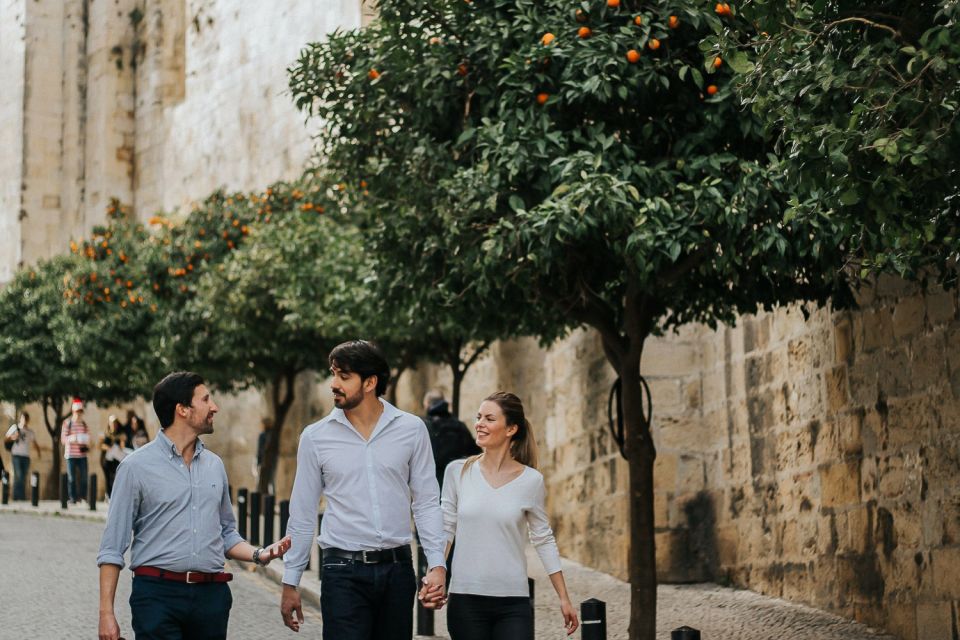
One of the tour highlights is the Elevador da Glória, Lisbon’s historic funicular linking Baixa to Bairro Alto. You’re not taking it just because it’s famous—you’re taking it because it helps you understand Lisbon’s geography. The funicular experience makes the city feel connected instead of scattered, especially in a few hours.
This also fits the way the tour is framed: you’re learning Lisbon through movement. The funicular is one of three funicular railways in Lisbon, and having a guide help you place it in the bigger picture makes the ride more than a quick photo stop. You’ll come away with better mental map-making, which makes the rest of Lisbon easier to navigate.
If you’re sensitive to tight timing, keep in mind that funicular rides can have their own flow and queues. Your guide helps you manage the rhythm, but this is still public transport in a popular area—so keep a calm pace.
The 28 tram through downtown: classic transport, useful context
The itinerary includes a ride on the 28 tram, another Lisbon classic. This is a great choice for a short tour because the tram acts like a moving viewpoint—one minute you’re in city-center activity, the next you’re catching glimpses of the streets and façades that define Lisbon’s look.
What makes this useful is the way it connects the story. The tour doesn’t treat the tram as a random detour; it uses it to link downtown sights with what you’ll see as you head into the older-feeling neighborhoods. That’s a big reason this works well even if you’ve only got one afternoon.
Practical tip: if you care about photos, plan for where you’re standing and how crowded it gets. The guide’s job is to keep the group moving, but your photo angle still depends on timing and where you end up.
Alfama’s medieval atmosphere: walking in the older Lisbon
Alfama is described as the medieval area of Lisbon—the oldest and one of the most typical districts—and that’s exactly the kind of neighborhood you want early in your trip. This is where Lisbon feels less like a destination and more like a lived-in city. The tour highlights the sense of joy and tranquility that characterizes Alfama, and that tone matters. It’s not just about architecture; it’s about atmosphere.
Alfama’s buildings are noted for unique characteristics, and your guide’s commentary is what turns those visuals into understanding. Instead of you guessing what you’re looking at, you get the “why” behind what makes the area feel distinct. That’s also where a private format helps: if you’re curious about a particular street or façade, you can usually slow down without derailing the entire group.
One consideration: Alfama’s charm comes with compact streets and a neighborhood feel. That’s wonderful, but it means you’ll spend more time walking and looking than sitting. If you want a lot of rest stops, this may feel like a bit of a steady pace.
Bairro Alto and downtown architecture: belle époque meets art deco
After Alfama, the tour shifts to the baroque side of the city-center, with belle époque and art deco buildings mixed into what you see around downtown and Bairro Alto. I like how this part of the experience plays visual contrast games for you. You see older, medieval texture first—then you start noticing newer stylistic flourishes layered on top.
This is where your guide’s eye matters. A good guide helps you spot patterns: how styles show up on façades, how streets seem to “change character” block by block, and how Lisbon uses design to announce eras. Even if you’re not an architecture expert, you’ll still get enough direction to make the walk feel intentional.
And because it’s a short, private tour, you don’t just pass these buildings—you get to stop when something is worth the pause. That’s the difference between a sightseeing walk that feels like motion and one that feels like learning.
Private guide power: why this format feels personal
This tour includes a private guide, and that matters more than you might think for a neighborhood-focused route. Lisbon is easy to admire from a distance, but harder to interpret. A guide turns street-level wandering into a clear story.
The reviews give you a sense of what “good” looks like here. People praised guides who are passionate and charming, with detailed explanations and a talent for finding places that you might not notice on your own. Some guides highlighted include Dirk Fittkau and Deborah, and both were described as helpful and knowledgeable in their own style. One review also mentioned that the guide adapted to participant expectations, which is a big deal on a private tour—you’re not stuck with a single script.
The best part is how that personalization can reduce decision fatigue. If you’re standing in front of a street view and wondering what matters, you get answers immediately. You leave with stronger opinions about what you want to revisit later.
Price and practical value: what $82 really buys
At $82 per person for about 3 hours, you’re paying for time with a guide plus an itinerary that includes key Lisbon transport highlights like the Gloria funicular and the 28 tram. The listing doesn’t say meals or drinks are included, so treat this as a walk-and-ride experience first, with food as your next step.
Whether it’s great value depends on what you want most:
- If you want faster orientation and clearer neighborhood context, this is a strong use of an afternoon.
- If you only want to take a couple photos and don’t care about explanations, you may feel you could do it cheaper on your own.
Also note the tour includes a private group, which means the guide can respond to pace and interests. That’s the part you can’t replicate with a general audio guide on a phone.
Timing, starting, and how to get the best out of 3 hours
With only 3 hours, you should treat this as the framework tour. It helps you decide what to do next, not replace the whole trip. If you’re spending multiple days in Lisbon, use this day to learn the city’s logic—then follow up later with longer, self-guided wandering.
Plan your schedule so you don’t feel rushed after. You’ll likely end up noticing architectural details and street patterns afterward, and it’s better to let that momentum carry into your own exploration.
One more practical thing: if you’re booking with the idea of flexibility, you’ll appreciate that plans can change. This is especially useful if you’re trying to match weather or fit the tour around restaurant reservations.
Should you book this Lisbon Alfama, Bairro Alto and Downtown walking tour?
I’d book it if you want a guided neighborhood sampler that still feels Lisbon-specific. The mix of Alfama’s medieval vibe, the Gloria funicular connection, the 28 tram, and the shift into baroque/downtown architecture makes it a solid way to understand how Lisbon pieces together.
I would think twice if you hate walking, don’t want any guidance or explanations, or you’re traveling on a super tight budget where you’d prefer a do-it-yourself route. And I’d show up with a little extra patience at the meeting point, because being able to spot the guide quickly makes the whole start smoother.
If you’re the type who likes learning as you go, this tour is easy to recommend.
FAQ
Where does the tour meet?
You meet at the Statue of Saint Vicente, Beco de Santa Helena 25, 1100-411 Lisboa, Portugal.
How long is the tour?
The tour lasts 3 hours.
What is included in the price?
A private guide is included.
What is not included?
Drinks and meals, plus entrance fees, are not included.
Which neighborhoods are covered?
The tour covers Alfama, Bairro Alto, and the downtown/city-center area.
What transportation highlights are included?
You ride the Gloria funicular and the 28 tram.
Is the tour private?
Yes, it’s a private group.
What languages are available?
Spanish, English, French, German, and Italian.
Can I cancel and get a refund?
Yes. Free cancellation is available up to 24 hours in advance for a full refund.