REVIEW · ALGARVE
Lagos: Dolphin Watch Tour with Professional Marine Biologist
Book on GetYourGuide →Operated by Sealife Dolphin Watching Algarve · Bookable on GetYourGuide
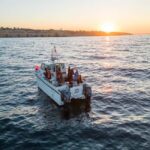
You can hear dolphins before you see them. This Lagos speedboat trip is built around real-time wildlife spotting and learning from a professional marine biologist as you cruise the Atlantic from the marina.
Two things I really like: the marine biologist onboard turns dolphin sightings into a clear, science-based story (not just a running commentary), and the boat setup gives everyone a fair chance at viewing when pods show up. One possible drawback: dolphin sightings depend on sea conditions and where the pods are that day, and the operator may change or cancel plans if the weather turns.
The vibe is part nature documentary, part Atlantic adventure. You’ll keep a respectful distance, watch mother-and-calf behavior when you’re lucky, and learn how your guide’s team collects data to support conservation work. Just note the trip is physical in a speedboat, so it’s not for everyone (especially if you have back issues or are very pregnant).
In This Review
- Key highlights at a glance
- Why Lagos Dolphins Feel Different From Other Boat Tours
- 1.5 Hours on the Water: From Marina Check-In to Return
- What You Actually Learn From the Marine Biologist
- Dolphin-Spotting Tips That Improve Your Odds (Without Overpromising)
- Comfort, Safety, and Who Should Skip This Speedboat Trip
- Price and Value: Is $42 Good Here?
- Weather Reality: The Atlantic Can Change Plans Fast
- Should You Book This Dolphin Watch Tour in Lagos?
- FAQ
- How long is the Lagos dolphin-watching tour?
- Where do I meet for the tour?
- What’s included in the price?
- Is hotel pickup included?
- What language is the guide?
- What should I bring, and what is not allowed?
- What’s the cancellation/refund policy?
Key highlights at a glance
- Professional marine biologists onboard explain dolphin behavior, intelligence, and ecology during the ride
- Extra viewing room on the speedboat makes it easier to see wildlife from many angles
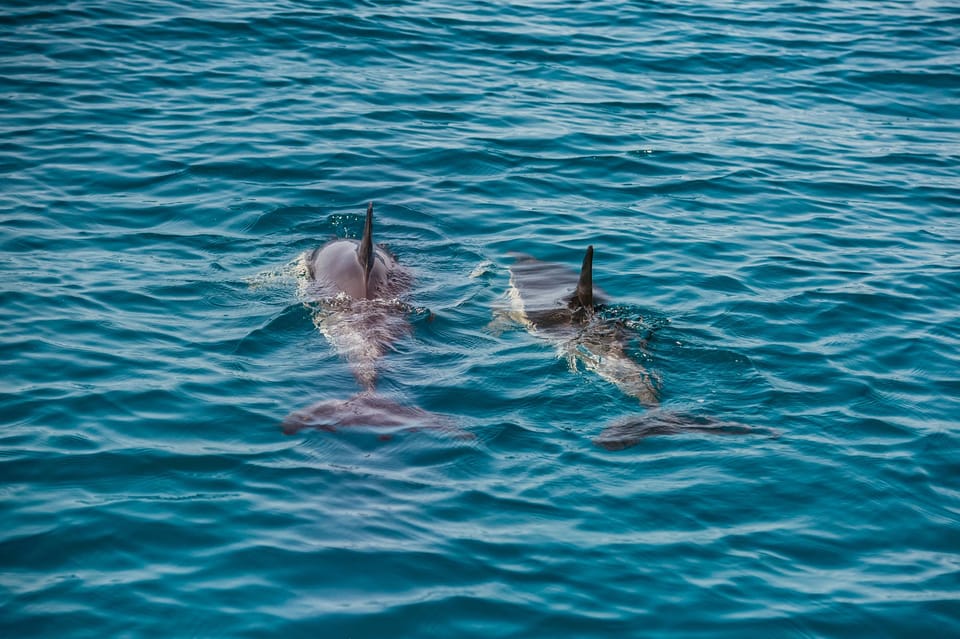
- Pods can be huge, and you may spend time with both bottlenose and common dolphins
- Stops happen only when dolphins are spotted, so you stay alert the whole time
- You learn how data collection supports conservation, not just what dolphins do
- Early departures may improve odds, based on past participant experiences
Why Lagos Dolphins Feel Different From Other Boat Tours
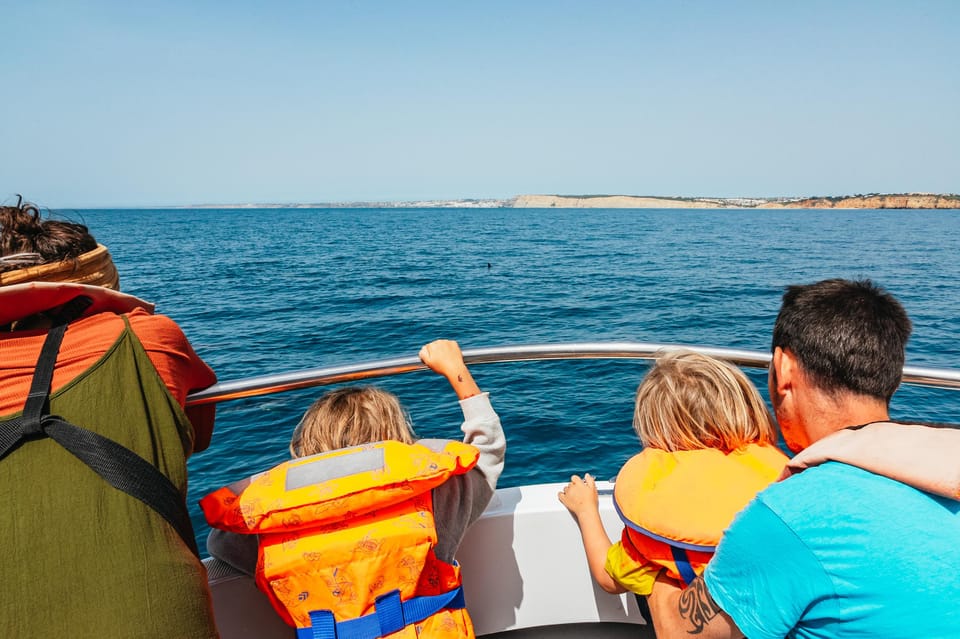
Lagos is one of Portugal’s best bases for ocean wildlife, and this tour uses that advantage smartly: you start from the marina in Lagos and head straight out onto the Atlantic instead of doing a long scenic drive first. That matters, because when dolphins are around, time on the water is everything.
I also like that this tour leans into education without turning your trip into a lecture. The marine biologist doesn’t just ID species. They connect what you’re seeing—fast social behavior, pod coordination, calves staying close—to the bigger picture of how dolphins live and how people can affect them.
Finally, there’s a practical respect for distance. You’re not trying to force an encounter. You cruise, spot, watch, and adjust your viewpoint as the pod approaches on its own terms.
You can also read our reviews of more dolphin watching tours in Algarve

1.5 Hours on the Water: From Marina Check-In to Return
The tour starts at Passeio dos Descobrimentos 8, with a short walk (about 3 minutes) to the marina area. You’ll check in at the BomDia Boat Trip – Sealife – Seatrips booking office, Marina de Lagos, loja 10, in front of boarding gates A, B, C, D.
There’s no hotel pickup. That sounds minor, but it changes the planning: you’ll want to arrive with enough buffer to find the right gate and get settled before departure. If you hate rushing, build in extra time. Marina logistics can move fast once boats start boarding.
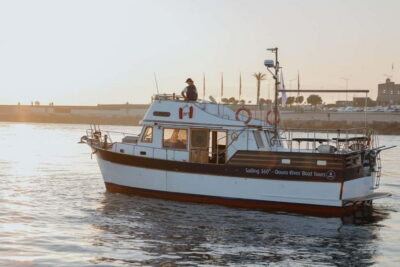
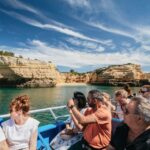
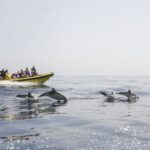
Once you’re onboard, you’re on a speedboat for about 1.5 hours total. The captain and crew look for wildlife, and when dolphins are spotted, the boat typically makes it easy for everyone to see. Many past riders noted that you can move around briefly when you find dolphins, and the “best view” becomes a group effort rather than a lucky-seat situation.
The ride is part smooth motion, part ocean weather. Some people reported that sitting toward the back feels gentler on the body (less splash, less slap from waves), while front seats can get a bit wet when it’s choppy.
What You Actually Learn From the Marine Biologist
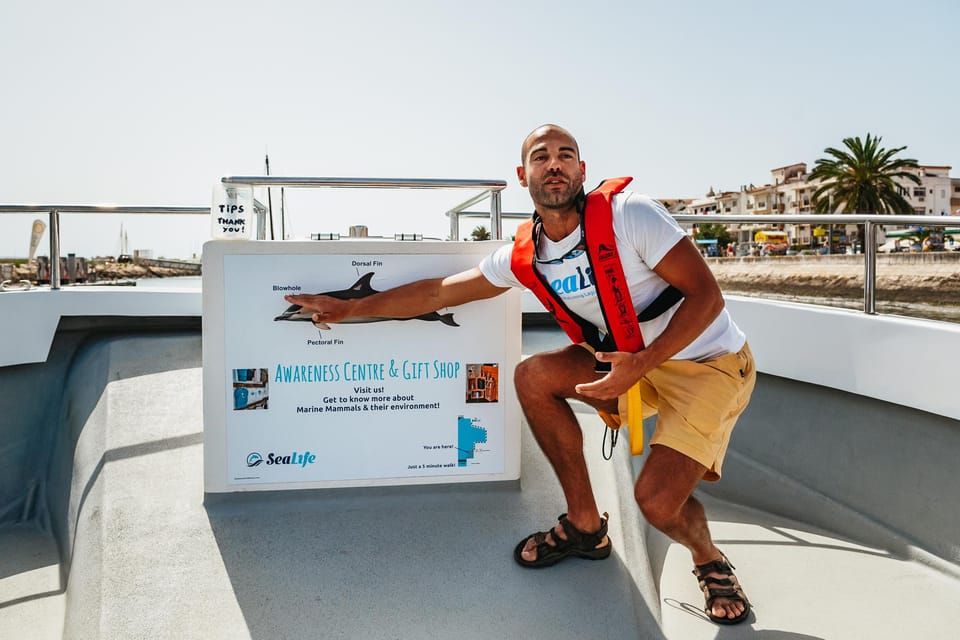
This is where the tour feels worth its place in Lagos. Dolphins aren’t just cute. They’re intelligent, social mammals with real “group decisions” happening constantly, and the onboard marine biologist helps you read that behavior as you watch.
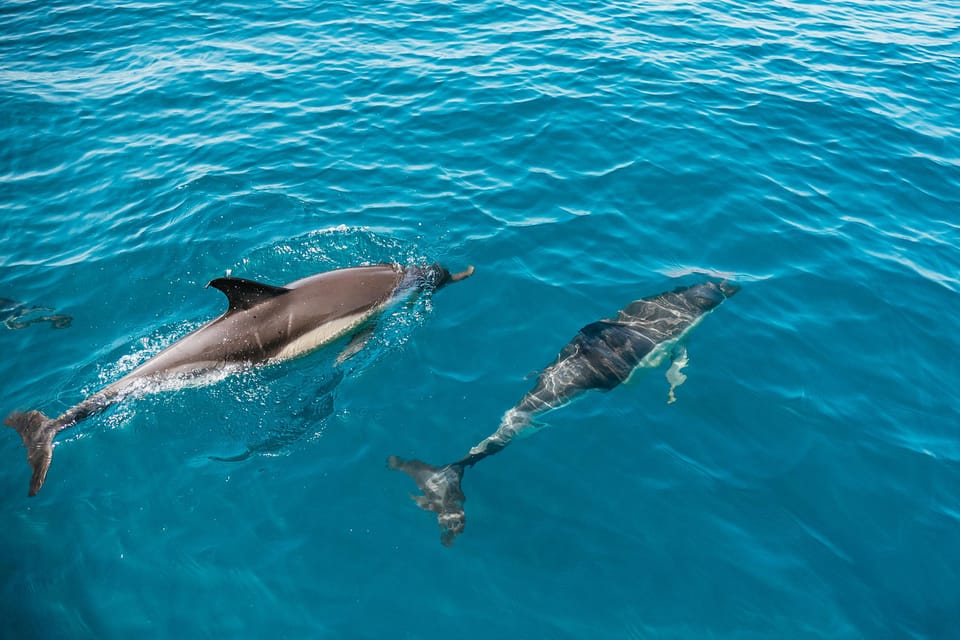
You’ll learn about dolphin behavior and pod life—how different groups move, how calves interact, and why pods can stay together even when they’re traveling fast. People also described moments like juvenile dolphins following the boat or pods circling in ways that look curious rather than random.
A standout detail that came up in past experiences: dolphins can communicate and detect sounds underwater over surprisingly long distances—one rider noted the marine biologist explained hearing as far as around 3 km. That kind of info changes how you watch. You start to notice patterns: calling, responding, shifting direction, and the way a pod can appear to know you’re there.
Conservation also isn’t treated like a poster on a wall. You’ll hear about ongoing conservation efforts and how the guide’s team collects data while out at sea. When you understand you’re helping (indirectly) support research through responsible observation, it makes the whole trip feel more intentional.
Depending on the day, you might hear from marine biologists such as Danielle or Daniela (names that have appeared in past participant reports). What stays consistent is the tone: friendly, curious, and tuned to your questions.
Dolphin-Spotting Tips That Improve Your Odds (Without Overpromising)
Let’s be honest: dolphin watching is never guaranteed. But you can stack the odds.
First, if you have schedule flexibility, consider an early morning departure. One participant specifically recommended the 9:15 AM option because sightings can be better earlier in the day. I can’t promise that pattern will repeat for every outing, but it’s a sensible strategy.
Second, dress for wind and spray. People suggested bringing something for cold ears and wind—especially when the Atlantic has that sharp edge. Weather-appropriate clothing is all you’re told to bring, but in practice that means layers and something that cuts wind gusts.
Third, when dolphins appear, don’t freeze in one spot. When the boat stops, people described that the viewing is better if you shift your position to match where the pod is moving. The captain and crew typically try to set up viewing so everyone gets a workable look.
Finally, be open to surprises. Past trips included sightings of both dolphins and even a right whale. That’s not something you should count on, but it’s a reminder: when you’re out far enough, marine life can show up in unexpected ways.
Comfort, Safety, and Who Should Skip This Speedboat Trip
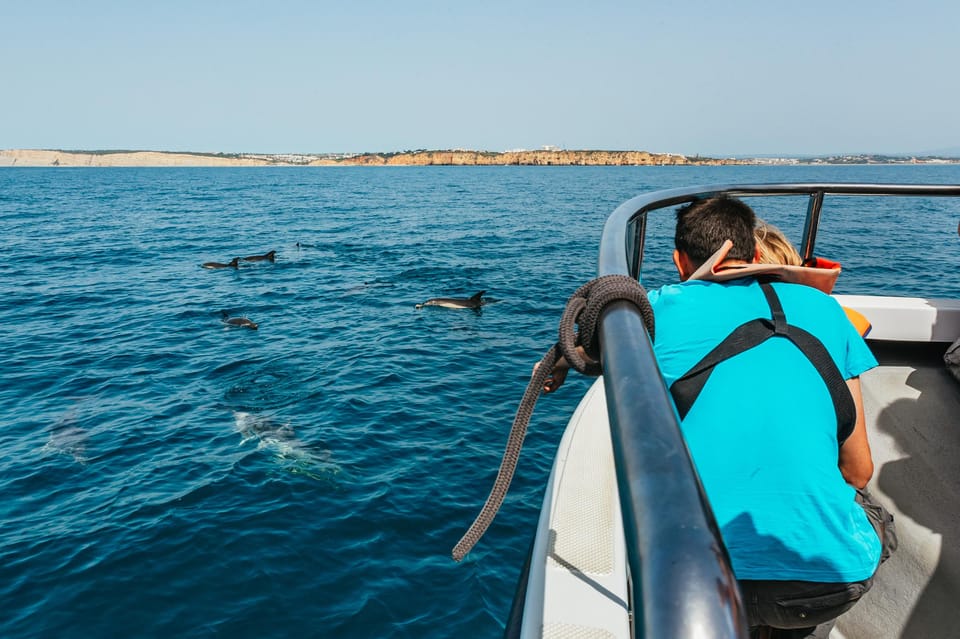
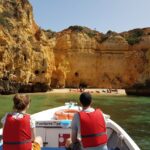
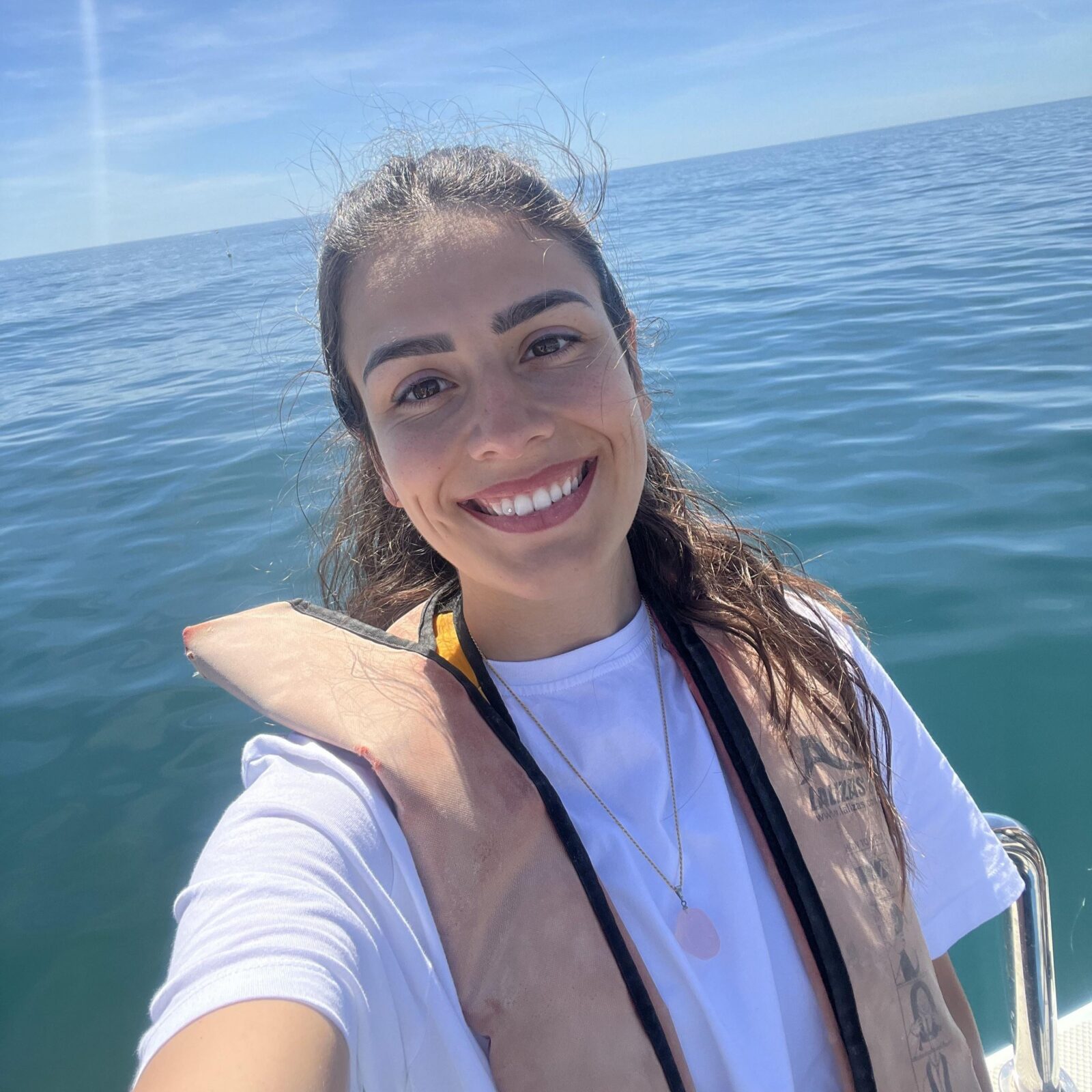
Included basics matter on a speedboat. You’ll get life jackets, and the boat is set up for viewing so passengers can watch without constantly craning their necks. Past riders also described the boat as well-kept and comfortable for a fast outing.
Ride comfort can vary based on where you sit and how choppy the sea is. Some people mentioned the boat ride felt smooth and only lightly affected by waves, while others noted they got soaked if they sat toward the front. If you tend to get motion-sensitive, you’ll likely feel better toward the back, where waves can feel less intense.
There are also clear “skip it” categories. This tour is not suitable for pregnant women, people with back problems, and babies under 1 year. If any of those apply, don’t try to tough it out—the boat is a speedboat, and comfort matters.
Also plan your packing style. Pets aren’t allowed, and you can’t bring luggage or large bags. Keep it simple: essentials, a layer, and nothing you’ll need to wrestle at the marina.
Price and Value: Is $42 Good Here?
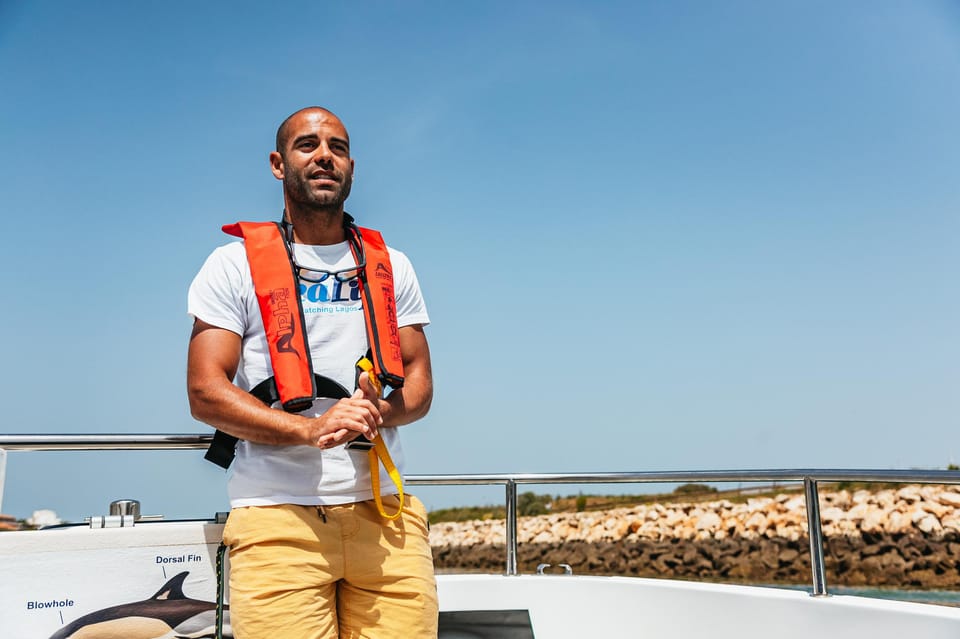
At $42 per person for about 1.5 hours, this tour is priced like an activity that expects you to actually get out on the water and have a meaningful experience—not just a quick coastal cruise. The value comes from what’s included, not from what’s listed on a brochure.
You get:
- the boat tour
- life jackets
- marine biologists as guides
That last point is the big one. In many “wildlife cruises,” you may get a standard guide whose role is mostly narration. Here, the guide team is part of the science layer: identifying animals in the moment and explaining behavior in a way that helps you understand what you’re seeing.
Past participants called it excellent value, especially when dolphins showed up in multiple pods. Some reports even referenced a high likelihood of seeing dolphins—one person mentioned the operator claims sightings around 96% of the time—but treat that as a guide to expectations, not a promise. The ocean decides, sometimes.
If your priorities are education plus serious time on the water, this is a strong deal. If your priority is a guarantee of dolphins, no dolphin tour can truly sell you that—so the “value” depends on your mindset.
Weather Reality: The Atlantic Can Change Plans Fast
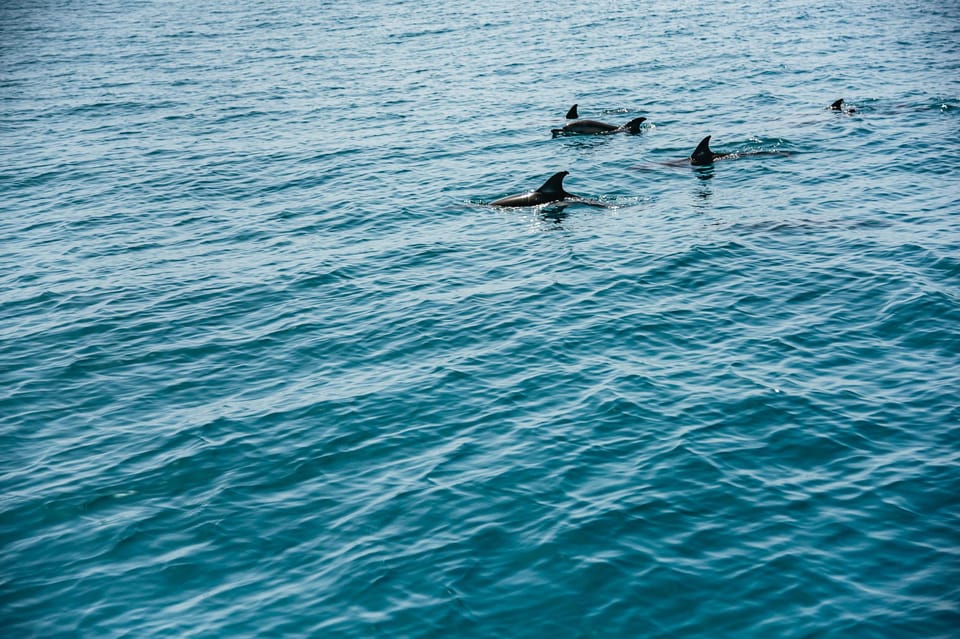
This kind of tour runs on the ocean. Trips can be canceled or changed with short notice due to changing weather or sea conditions. That’s not a reason to avoid it—it’s a reason to plan smart.
If you’re on a tight itinerary, build in at least some flexibility on your Lagos schedule. If you can, aim for a day when you’re not rushing to catch a bus or flight immediately after. Ocean tours run on real conditions, and the responsible operators will choose safety first when seas get rough.
Also, pack for the “what if it’s cooler/windier than expected” moment. Even in good weather, speedboat wind is a thing. Layers make the trip feel like fun, not like a cold wind tunnel.
Should You Book This Dolphin Watch Tour in Lagos?
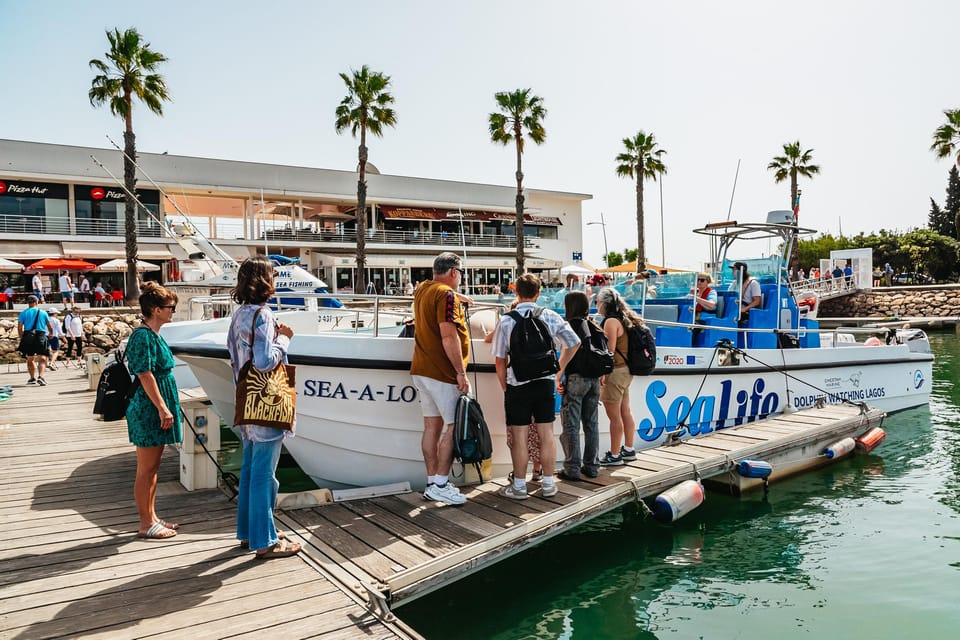
I’d book it if you want a dolphin-watching experience that feels grounded in real marine biology, not just a sightseeing lap. The onboard marine biologist, the chance to see pods up close from a respectful distance, and the way the crew works to find animals (including spending extra time searching when it matters) all point to a well-run outing.
Skip it if you’re dealing with the listed physical limitations (pregnancy, back problems, or infants under 1 year). Also be realistic: dolphins are wild. Some outings can be quiet, even when the crew does everything right. If you’re okay with that uncertainty, you’ll likely enjoy the ride for both the science and the ocean atmosphere.
If you’re choosing between tours, this one is a solid pick for people who care about understanding behavior and conservation while they watch the Atlantic work its magic.
FAQ
How long is the Lagos dolphin-watching tour?
It lasts 1.5 hours.
Where do I meet for the tour?
Check in at BomDia Boat Trip – Sealife – Seatrips booking office at Marina de Lagos, loja 10, in front of boarding gates A, B, C, D.
What’s included in the price?
The tour includes the boat tour, life jackets, and marine biologists as guides.
Is hotel pickup included?
No. Hotel pickup and drop-off are not included.
What language is the guide?
The live guide is available in English and Portuguese.
What should I bring, and what is not allowed?
Bring weather-appropriate clothing. Pets and luggage or large bags are not allowed.
What’s the cancellation/refund policy?
You can cancel up to 24 hours in advance for a full refund. Also, trips can be canceled or changed with short notice due to weather or sea conditions.