REVIEW · FUNCHAL
Funchal Agriculture Green Tour
Book on GetYourGuide →Operated by Secret Madeira Lda · Bookable on GetYourGuide
Bananas, rum, and cows in one trip. I love the private banana field walk and the steam-machine rum factory visit, both feel way more real than a standard sightseeing stop. One thing to plan around: in winter, you might not get fully ripe banana tasting every time.
This is the kind of tour that pays off if you like the “how it’s made” side of travel. You’ll move from Funchal-area farms to an agriculture school teaching grafting methods, then on to countryside lunch and the north-coast rum region. Wear comfortable shoes and bring a jacket—some sections run cooler than you expect.
In This Review
- Key Things I’d Mark on Your Map
- A 6-Hour Agriculture Reality Check From Funchal
- Private Banana Field in Funchal: Where the Day Starts
- What to look for (and why it matters)
- From GESBA to Packing: The Banana Business Explained
- The Agriculture School: Grafting Lessons You Can Actually Use
- A practical tip
- North-Country Countryside Lunch in Santana-Style Comfort
- Porto da Cruz Rum Factory: Steam Machines Still in the Story
- Why rum fans and non-rum fans both like this
- Talho do Caniço Cattle Farm: Old Milking Traditions
- Price and Value: What $100 Buys in Real Terms
- Group Size, Comfort, and When to Bring a Jacket
- Who Should Book This Tour (and Who Might Skip It)
- Should You Book the Funchal Agriculture Green Tour?
- FAQ
- How long is the Funchal Agriculture Green Tour?
- What’s included in the price?
- Is lunch included?
- Is this a small group tour?
- Where do pickups happen?
- What languages are available for the guide?
- What should I bring?
- Is it suitable for young children?
- Is the tour wheelchair accessible?
- Will there be ripe bananas for tasting?
Key Things I’d Mark on Your Map
- Private banana field access with a look at how farmers care for their land
- Agriculture School + grafting methods plus fruit-tree variety and seasonal tastings
- Old rum factory in Porto da Cruz where steam machines can still run during sugarcane season (April to May)
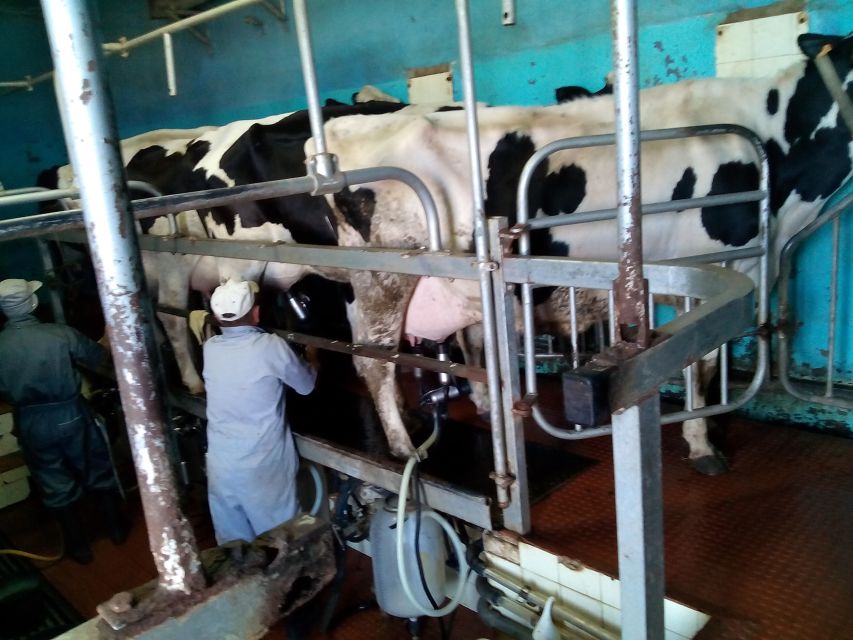
- Family-run cattle farm traditions tied to Madeira’s requeijão cheese
- Small group (up to 8) with a live guide in Spanish, English, French, or German
- Lunch in a cozy countryside setting with drinks, coffee, and Madeira-style home cooking
A 6-Hour Agriculture Reality Check From Funchal
This tour is simple in concept and satisfying in execution: you get driven between working farms, learning what’s behind Madeira’s food and drink. It runs about 6 hours with a small group capped at 8 people, so you’re not stuck watching through a crowd.
Pickup depends on where you’re staying. You’ll generally be collected from Caniço and Funchal, with other listed pickup areas also possible (like Santa Cruz and Garajau). If you’re coming from places like Ponta do Sol, Calheta, Santana, or São Vicente, the plan is to meet at the main road near the Hotel Madeira Panoramico parking.
The pacing is steady rather than rushed. You do multiple guided stops, then a proper lunch, then head north toward Porto da Cruz before wrapping back up in Funchal.
You can also read our reviews of more tours and experiences in Funchal.

Private Banana Field in Funchal: Where the Day Starts
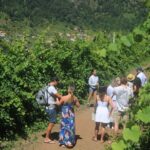
Your day begins with driving out of Funchal into working countryside. The most memorable early moment is the private banana field visit—not the kind of photo-stop where you stay at the edge. You’ll see the banana operation up close and learn how farmers manage the plants and their work.
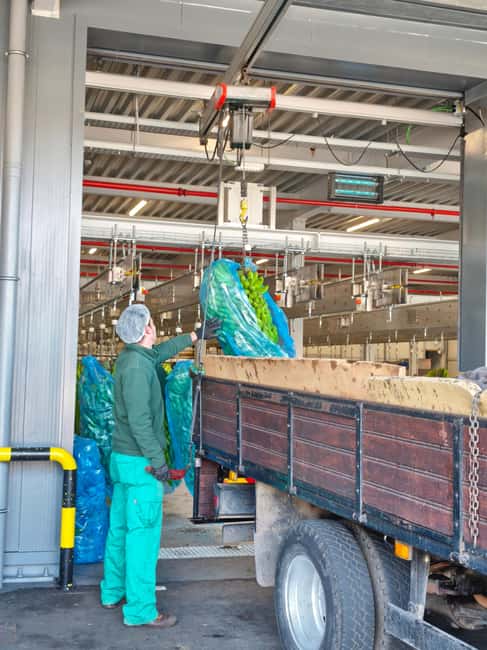
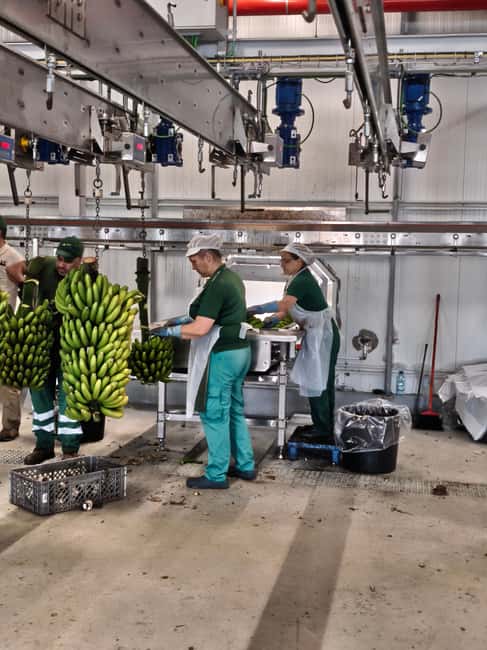
There’s also time for the official banana business side of things. The tour includes a guided visit at GESBA (Empresa de Gestão do Sector da Banana, Lda.), which helps you understand what happens beyond the farm gate—how bananas are handled from cutting/picking choices through packing.
The tour’s banana tasting is a nice finish, but keep your expectations flexible. In winter, ripe fruit isn’t always guaranteed—so don’t treat banana tasting as a sure thing year-round.
What to look for (and why it matters)
Bananas are a great “teacher fruit” because they show how agriculture is both skill and timing. Even if you only know bananas as something in a supermarket, you’ll come away with a better sense of why selection, handling, and packing matter just as much as growing.
From GESBA to Packing: The Banana Business Explained
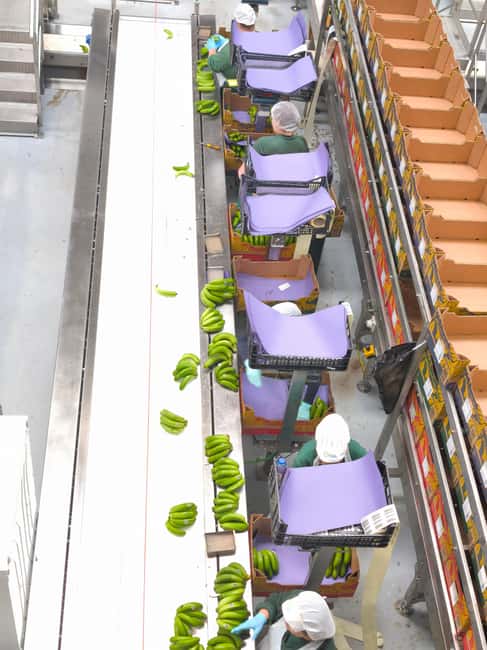
One of the best values of this tour is the balance between private farmland and the more organized, large-scale processing story. After the private field, the tour guides you through how the banana sector works.
At GESBA, you get that behind-the-scenes context: what’s done after fruit is picked, how it’s sorted, and what “packing” really means in practice. It’s the part that turns your banana photos into something useful.
This is also where the tour helps you connect the dots between what farmers do out in the open and what happens out of sight afterward. If you like learning systems—rather than just seeing animals and plants—you’ll appreciate this stop.
The Agriculture School: Grafting Lessons You Can Actually Use
Next comes the agriculture-school experience, focused on how Madeira farmers keep trees productive. The tour includes a guided stop around the agriculture school setting (listed on the route as Caminho do Arieiro 97a).
What makes this visit special is grafting. You’ll learn about the grafting methods farmers use on the island—how they match varieties, and why this matters for fruit and long-term plant health.
The school also gives you a tour among international and local trees. You might see trees like avocado and lemon, and if fruit is in season, the tour offers tastings. Even if you’re not a gardening person, this stop gives you something concrete: you’ll understand why specific tree varieties show up in Madeira the way they do.

A practical tip
This part of the day can involve standing and walking near greenhouse or school grounds. Bring shoes that handle uneven paths, and keep a jacket handy even if the morning starts sunny.
North-Country Countryside Lunch in Santana-Style Comfort
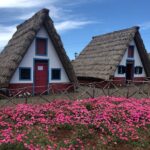
By the time you reach lunch, you’re already thinking with your stomach. The tour stops in Santana, Madeira, with a lunch experience designed to feel like countryside eating at home.
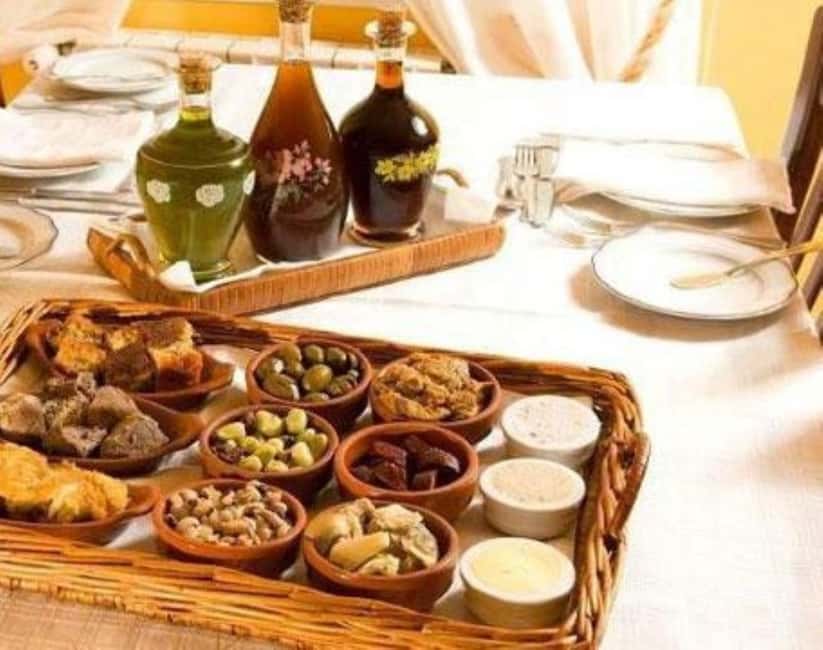
The meal structure is a good mix of tastes:
- Fresh baked bread
- Tapas and local foods
- A main choice of fish or meat
- Fresh vegetables
- Homemade desserts
- Drinks included, plus coffee
It’s about more than filling up. This lunch is where the whole “agriculture” theme becomes personal—you taste what the island produces and learn what local cooking feels like when it isn’t trying to impress.
If you’re traveling with kids, this is often the most relaxing block of time too—less walking, more shared food, and plenty of chances to ask questions without rushing.
Porto da Cruz Rum Factory: Steam Machines Still in the Story
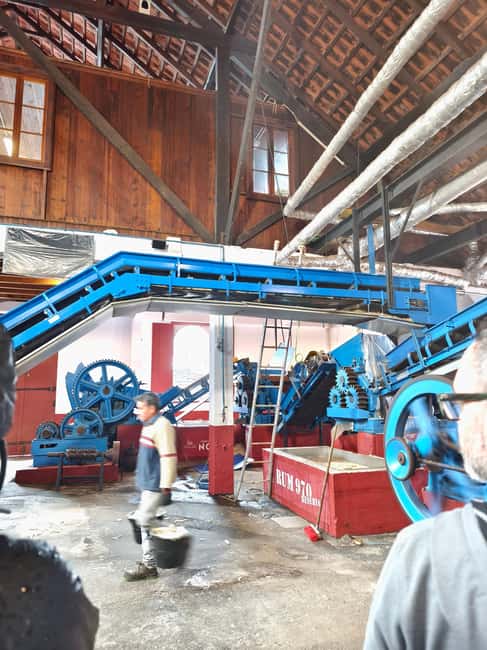
After lunch, you head toward Porto da Cruz in the sugarcane region. The big attraction here is an old rum factory with machinery that still tells its own story.
You’ll visit Madeira’s oldest rum factory and see steam machines still in use. The tour notes that during sugarcane season (April to May) the machines operate, which turns this stop from interesting to genuinely memorable.
Even outside peak season, the setting works. Rum production is one of the easiest “Madeira connections” to grasp because it links agriculture (sugarcane) to industry (distilling and processing). You get to stand where the process actually happened, not just read about it later.
Why rum fans and non-rum fans both like this
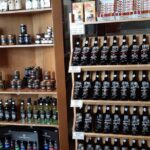
If you already drink rum, you’ll enjoy the history and the mechanical detail. If you don’t, the factory still gives you something visual and understandable, plus the tour includes rum tasting.
Talho do Caniço Cattle Farm: Old Milking Traditions
The final farm stop centers on cattle and a cheese link that makes Madeira feel even more connected. The visit goes to a private cattle farm with a family trade history over a hundred years.
Here’s what stands out: they provide most of the milk used for requeijão, Madeira’s well-known cheese. You’ll see old-style milking techniques, and the farm setting brings an animal-focused reality check to the day.
This is also where the tour rounds out the theme beyond fruit. Bananas and grafted trees teach plant production, while cattle and milking teach how animal agriculture fits into the island’s food culture.
The drive back to Funchal afterward feels like a reward, not a chore. You’ve spent the day moving through working places, then you end with a straightforward return.
Price and Value: What $100 Buys in Real Terms
At $100 per person, you’re not paying just for “a few stops.” You’re paying for a full 6-hour route with:
- Small group size (up to 8)
- Hotel pickup and drop-off in the listed Funchal/Caniço areas (and also other pickup areas are included)
- Entrance/guided access to multiple working sites (banana farm, agriculture school, cow farm, plus the guided facility stop)
- A full lunch with drinks and coffee
- Rum tasting
When you compare that to piecemeal tours, the value is strongest if you want the complete agriculture theme instead of selecting one highlight (like only rum or only animals). The lunch alone adds real weight to the ticket price, and the private farm angle means you’re not stuck in generic viewpoints.
The main “value downside” is that this tour is more practical and educational than scenic. If you’re only chasing big postcard views, you might want to pair it with a separate viewpoint or levada walk. If you want the story behind what you eat and drink on Madeira, this price starts to look fair fast.
Group Size, Comfort, and When to Bring a Jacket
The tour is designed for small groups, which helps with questions and gives you enough time at each stop. Your guide leads the day with live interpretation in Spanish, English, French, or German.
Comfort matters because this is a working-farm day. Bring:
- Comfortable shoes
- A jacket / warm clothing, especially if the north-coast feels cooler later in the day
There’s also a note that pickup timing can shift due to traffic, accidents, or road works. Plan to be ready in the lobby about 10 minutes before pickup, and keep an eye on email or WhatsApp for updates.
Who Should Book This Tour (and Who Might Skip It)
I think this tour is ideal for you if you want Madeira beyond viewpoints. It fits well if you like:
- Agriculture as a topic, not just a setting
- Learning how plants and production work (grafting, banana handling, cheese-linked dairying)
- A full meal included in the experience
- A small group day that doesn’t feel like a moving classroom
It’s less ideal if you’re looking for an easy, stroller-friendly day. The tour isn’t suitable for children under 6, and it’s also not made for wheelchair users. If your trip is tight on physical comfort or you need fully accessible routes, you’ll likely prefer a different type of tour.
Should You Book the Funchal Agriculture Green Tour?
Yes, if you’re the type who wants a reason behind what you’re seeing. This tour is built around working places: private banana farming, an agriculture school teaching grafting, a cattle farm tied to requeijão, and a rum factory with steam machinery.
Book it especially if you’ll be in Madeira during sugarcane season (April to May), since the steam machines can operate then. If you’re traveling in winter, just expect the banana tasting to be more hit-or-miss for ripeness.
If you want a single action-packed day that still feels authentic—less “look at it” and more “understand it”—this is a strong choice.
FAQ
How long is the Funchal Agriculture Green Tour?
The tour lasts 6 hours.
What’s included in the price?
It includes hotel pickup and drop-off (in the listed areas), entrances for the banana farm, agriculture school, and cow farm, lunch with drinks and coffee, and rum tasting.
Is lunch included?
Yes. Lunch is included and features items like tapas, a main choice of fish or meat, vegetables, desserts, plus drinks and coffee.
Is this a small group tour?
Yes. The tour is limited to up to 8 participants.
Where do pickups happen?
Pickup is included from areas such as Santa Cruz, Caniço, Garajau, and Funchal. If you’re coming from Ponta do Sol, Calheta, Santana, or São Vicente, you meet the guide on the main road near the Hotel Madeira Panoramico parking.
What languages are available for the guide?
The live tour guide is available in Spanish, English, French, and German.
What should I bring?
Bring comfortable shoes and warm clothing/jacket.
Is it suitable for young children?
No. It’s not suitable for children under 6.
Is the tour wheelchair accessible?
No. It’s not suitable for wheelchair users.
Will there be ripe bananas for tasting?
In winter, you may not always get fully ripe bananas for tasting.