REVIEW · ALGARVE
From Faro: Wildlife and Dolphin-Watching Speedboat Tour
Book on GetYourGuide →Operated by Estrela da Ria Formosa · Bookable on GetYourGuide
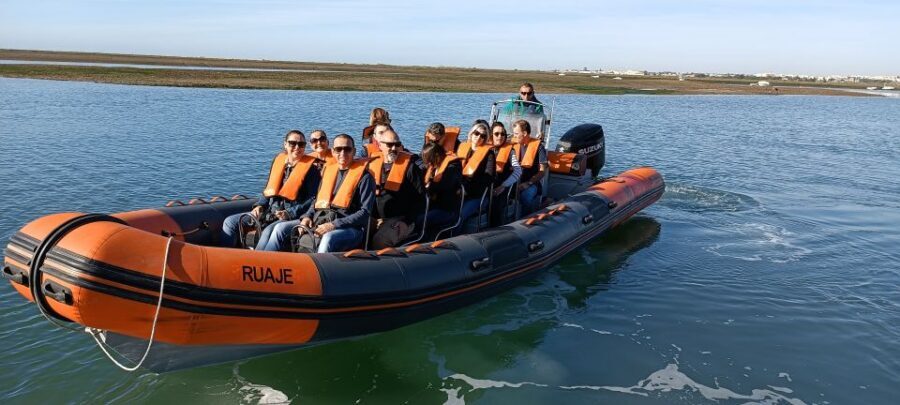
Dolphins feel close on this boat. This Faro wildlife cruise runs through the Ria Formosa Natural Park and out toward the Atlantic edge at a time that’s meant to boost your odds. You’ll cruise aboard a speedboat, scan for movement, and learn what you’re actually looking at along the way.
I especially like the small group feel (limited to 15) and the onboard marine education. A skipper and marine-focused guide explain dolphin species, plus what other animals might show up in Faro’s waters.
One thing to keep expectations grounded: there’s a 90% chance of seeing sea life, but dolphins are never a sure thing. Weather can also change plans, since the whole experience depends on sea conditions.
In This Review
- Key highlights you’ll care about
- Meeting at Rua da Porta Nova: start easy, start on time
- Why the morning speedboat timing really matters
- Ria Formosa Natural Park waters: the best viewing setup
- Cape Santa Maria (St. Mary): where the Atlantic shows up
- The dolphin-watching stretch near Faro: when you’re most likely to get close
- Onboard marine talk: what you learn while you’re scanning
- What else you might spot: birds, turtles, and harmless sharks
- How the return trip changes: tides make the scenery different
- Group size, comfort, and who this suits
- Price and value: $58 for 2.5 hours of real wildlife searching
- Weather, safety, and the realistic dolphin odds
- Reviews you can translate into decision-making
- Should you book this Faro dolphin-watching speedboat?
- FAQ
- What’s the duration of the Faro wildlife and dolphin-watching speedboat tour?
- How much does the tour cost?
- Where do I meet the guide?
- Is hotel pickup included?
- What languages are offered for the onboard guide?
- Is dolphin spotting guaranteed?
- What wildlife might I see besides dolphins?
- What should I bring?
- Is the tour affected by weather?
Key highlights you’ll care about
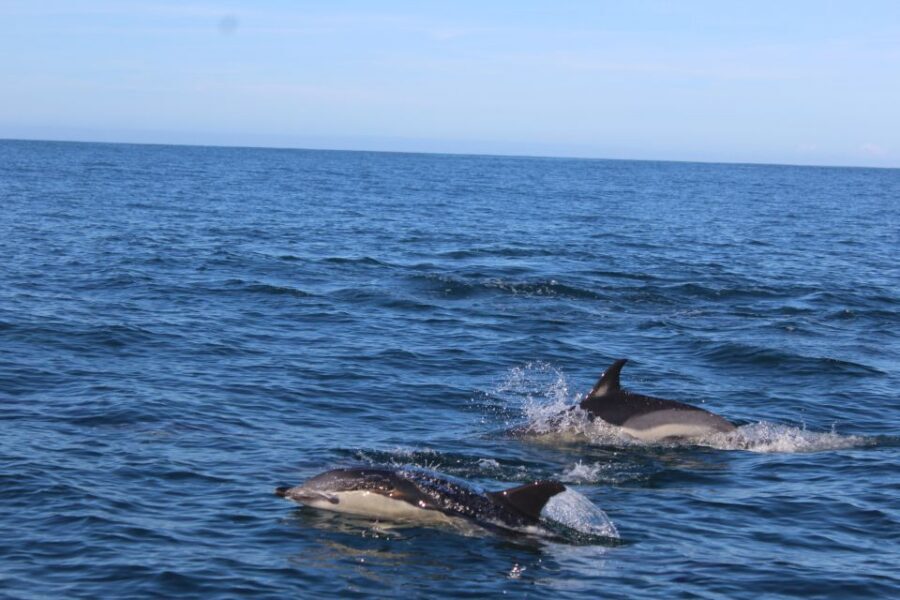
- Morning timing for dolphin feeding: the cruise heads out when dolphins are more likely to approach the coast for food.
- Live marine talk onboard: you’ll hear about dolphin species and get help spotting wildlife in real time.
- More than dolphins: keep eyes open for birds, turtles, and even small, harmless sharks.
- Ria Formosa tides change the views: the return route looks different thanks to the changing water levels.
- Meeting point is simple: look for Estrela Da Ria Formosa, and a guide in a green t-shirt.
Meeting at Rua da Porta Nova: start easy, start on time
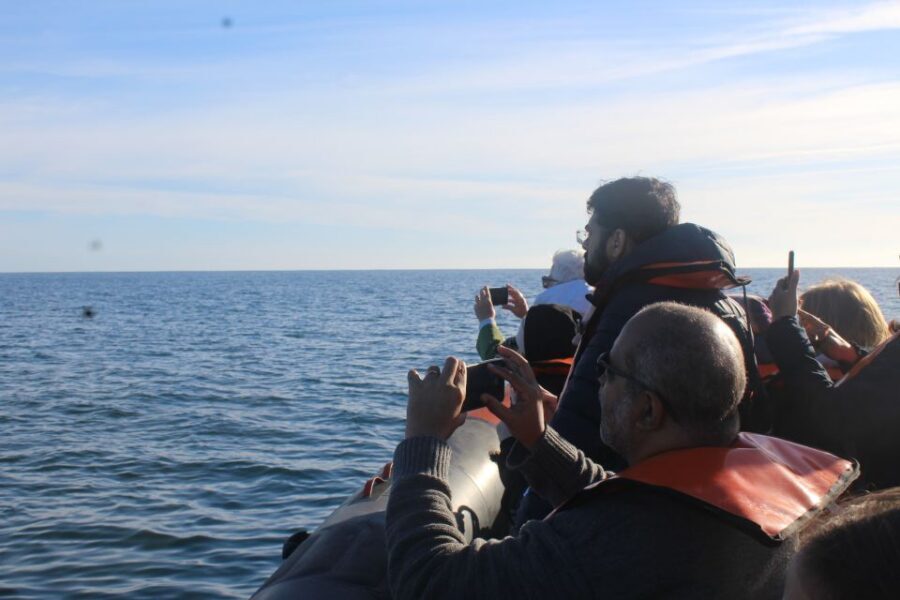
This tour is built for a straightforward start in Faro. You’ll meet at Rua da Porta Nova, at the stand called Estrela Da Ria Formosa. Your guide will be dressed in a green t-shirt, which makes it easier to find the right group fast—no wandering with a bunch of nervous questions.
Plan to arrive a little early because the speedboat portion is timed. The day runs on water windows, and once you’re on the boat, things move quickly. Also note that there’s no hotel pickup or drop-off. If you’re staying in central Faro, you can usually keep this simple with a short walk or quick ride to the meeting stand.
You can also read our reviews of more dolphin watching tours in Algarve

Why the morning speedboat timing really matters
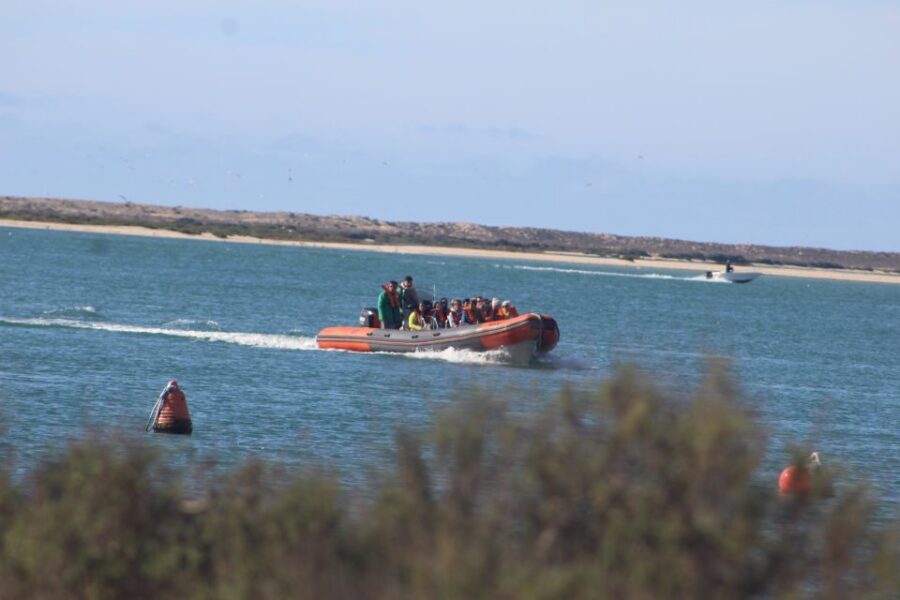
The biggest “why this works” detail here is timing. The cruise goes out in the morning when dolphins may come closer to the coast while searching for food. That matters because dolphin-watching isn’t just luck—it’s matching the animals’ behavior.
You’re also traveling by speedboat, not a slow, deep-water ferry. That’s useful for wildlife spotting because the crew can reposition while scanning for signs—surface activity, movement patterns, and the kind of direction dolphins tend to travel.
You should still treat dolphin sighting as a real wildlife outcome, not a performance you can demand. The tour does have a high chance of spotting sea life (90% according to the activity info), and the reviews back up that sightings often happen quickly. But a day at sea can flip, especially with wind or swell.
Ria Formosa Natural Park waters: the best viewing setup
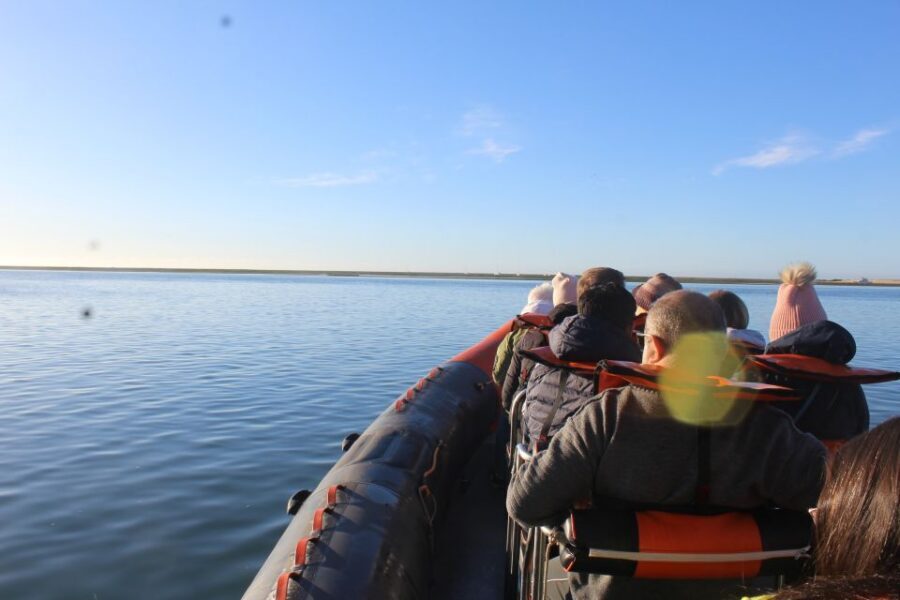
About the first leg, you’ll spend roughly 30 minutes on the speedboat before you settle into the Ria Formosa Natural Park area for sightseeing and wildlife viewing (around 30 minutes). This is a smart part of the route. Ria Formosa is a protected water system with winding channels, flats, and natural edges where animals feed and travel.
What you’ll enjoy most here is the combination of scenery and “eyes-on” wildlife scanning. When you’re moving through narrow waterways and along natural boundaries, it’s easier to understand where the water is changing, and why animals might appear in certain stretches.
A practical tip from how the trip is run: keep your attention on the water surface, not just the horizon. Dolphins can surface suddenly, and quick movement is part of the rhythm. If you’re sitting on the side that feels most exposed, you’ll get better angles for sightings, but comfort matters too—wear clothes you can stand in for a short splash-zone without being miserable.
Cape Santa Maria (St. Mary): where the Atlantic shows up
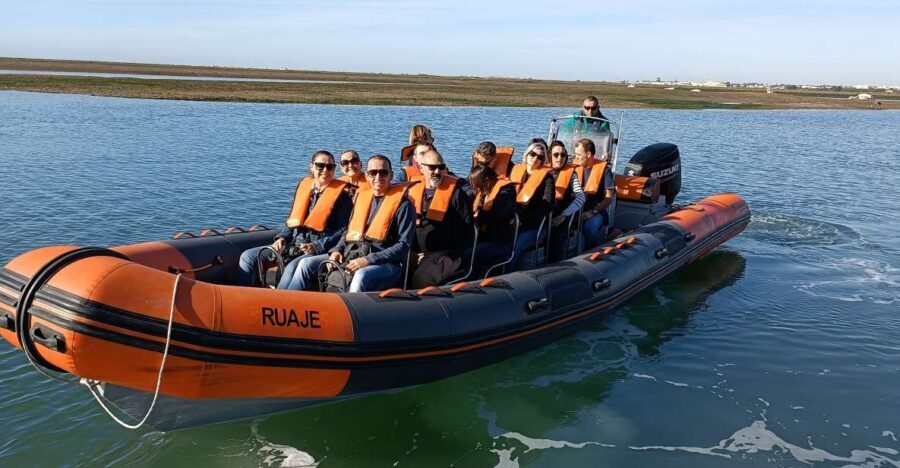
Next, the boat passes Cape Santa Maria (also referred to as St. Mary in some materials). This is the point where the coastal waters meet a different mood—Atlantic energy alongside the Rio Formosa flow.
You’ll get panoramic views as the route transitions from protected park waters toward the ocean edge. For a wildlife-watching trip, that shift is key: it’s often where food sources, currents, and movement patterns change. If dolphins are nearby, you’re in the zone where you might see them surfacing more frequently—or moving along a line that makes spotting easier.
The itinerary here is mainly “pass by,” so don’t expect long stops. Think of it as a scenic and strategic passing moment where the crew keeps scanning and adjusts the boat’s position based on what they see.
The dolphin-watching stretch near Faro: when you’re most likely to get close
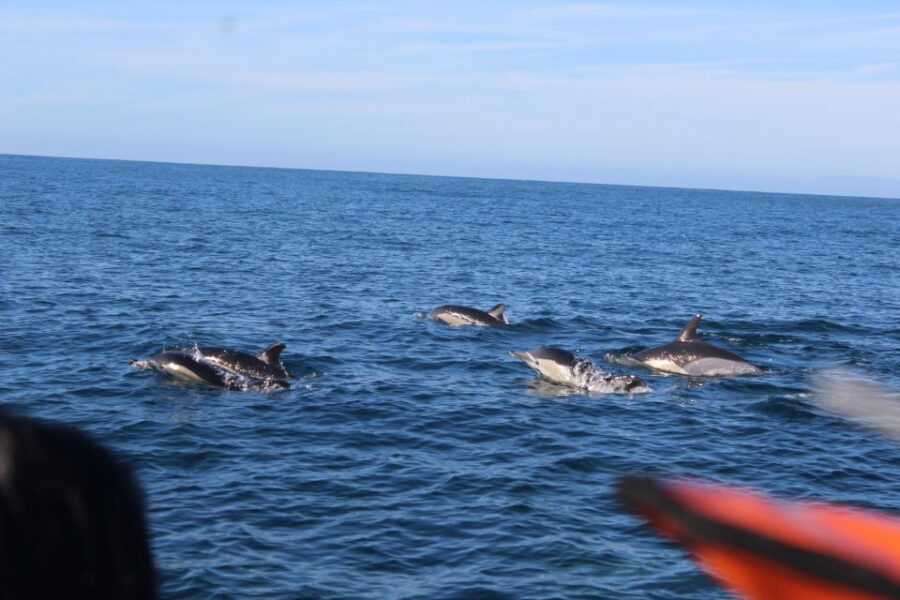
The core dolphin-watching part happens after Cape Santa Maria, in areas identified by navigation points near Faro. This is the segment where the boat is actively searching and staying alert for movement.
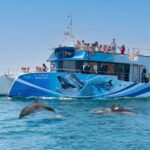
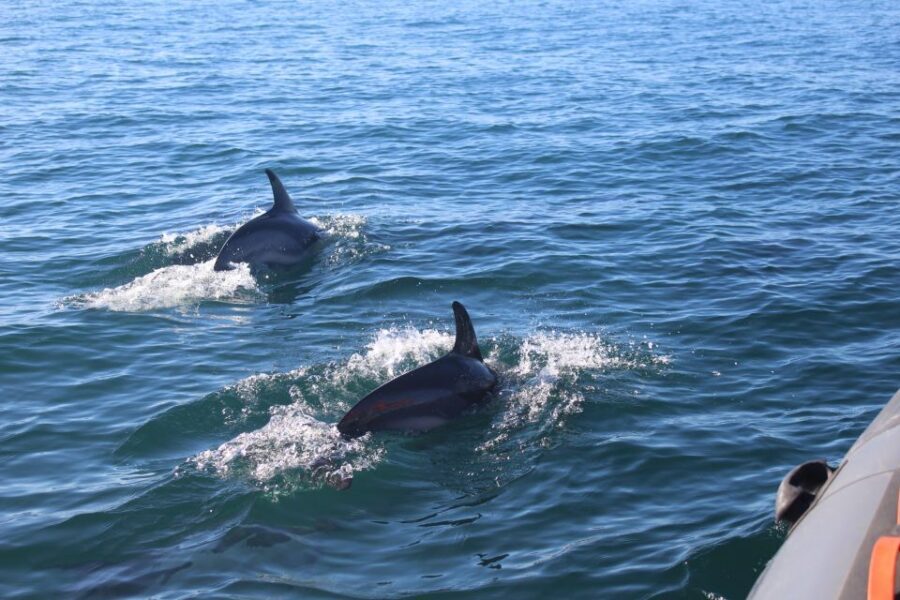
The experience is designed around a straightforward idea: if the crew finds dolphins, you’ll be able to watch them at close range. Reviews repeatedly mention that once dolphins are located, the guide stays close enough to see leaps and turns clearly. One standout detail from a review in French described adults accompanied by a baby dolphin, with dolphins behaving in a way that felt synchronized—vertical and horizontal jumps. That’s the kind of moment you’re hoping for when the boat finally locks onto a group.
If you don’t see dolphins immediately, don’t panic. Some experiences take time because animals don’t stay where we want them. One review mentioned it took a bit to find dolphins, but once they were spotted, the crew remained close.
Onboard marine talk: what you learn while you’re scanning
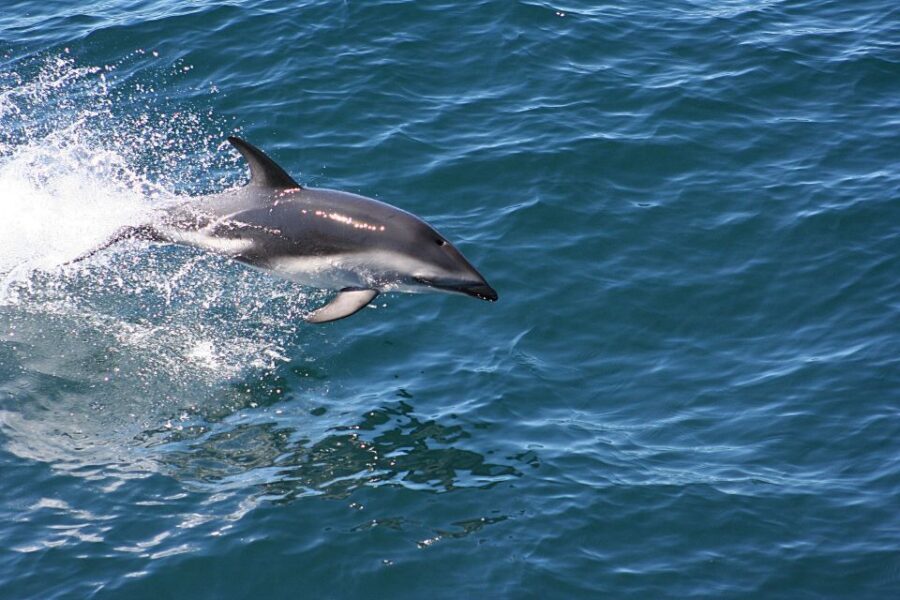
You’re not just told to look. There’s a live guide aboard (languages include English, French, Spanish, and Portuguese) who helps you connect names with behavior.
The key value: you learn what dolphin species you might be seeing and get context for their movement. That turns the trip from a random sighting into a better experience for your brain. You’ll also have time to ask questions. If you’re the type who likes to know why animals do what they do—especially why dolphins approach certain areas—that onboard guidance is the difference between seeing wildlife and understanding it.
Even better, the tour also calls out other possible species besides dolphins. That means the guide’s talk isn’t just about one animal. You’re trained to broaden your search for birds, turtles, and small, harmless sharks.
What else you might spot: birds, turtles, and harmless sharks
Dolphins often take the spotlight, but the tour’s design encourages multi-species watching. Keep your eyes open for:
- Birds that may track fish and create clues about where food is moving
- Turtles (if conditions align, you might spot them near surface)
- Small, harmless sharks (the chance is mentioned, but not guaranteed)
This variety is great value. A wildlife cruise can be satisfying even if dolphins aren’t the day’s star, because the water has multiple ways to reveal life. One review described seeing a shark, and another mentioned seeing a whale along with dolphins—proof that the water sometimes surprises people.
That said, remember the practical side: wildlife sightings aren’t scheduled. If the sea is rough, visibility can drop, and animals might move differently than on calmer days.
How the return trip changes: tides make the scenery different
On the way back to Faro, you’ll cruise through the Ria Formosa again, with different views because of changing tides. This part is worth paying attention to, even if you’re tired of scanning for wildlife.
Why? Tide changes can alter where water spreads out and how channels look. That means you’re not simply retracing the same route with the same view. It’s a small but real “two-for-one” effect: the morning has its own patterns, and the afternoon-side return looks different.
It’s also a nice reset after the dolphin-watching intensity. If you’ve been craning your neck and watching the surface, this return phase can be calmer visually—while the crew stays alert for any last sightings.
Group size, comfort, and who this suits
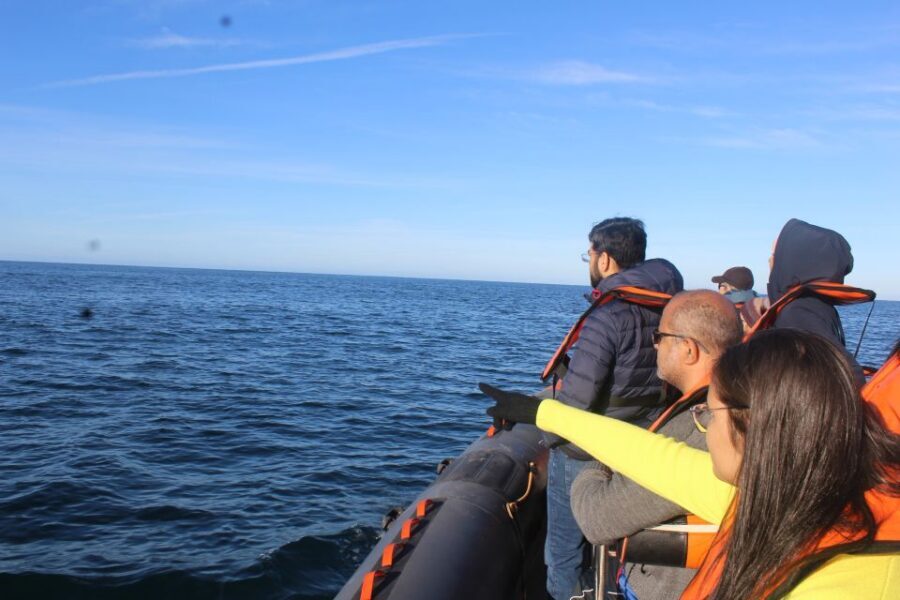
This is a small group tour, limited to 15 participants. That size matters for wildlife viewing. It’s easier for the crew to keep you positioned and for everyone to see without constant shifting.
The boat is a speedboat, so it’s not the right pick if you’re sensitive to motion or have back problems. The activity info also notes it isn’t suitable for children under 5 and isn’t recommended for pregnant women.
What to bring is simple and practical: comfortable shoes, sunglasses, sunscreen, and comfortable clothes. Since food and drinks aren’t included, you’ll want to plan meals around the 2.5-hour duration and keep your energy steady.
Reviews include a mix of experiences, from strong dolphin sightings to at least one day without dolphins. That range is normal for wildlife. So if you really need a guaranteed dolphin “moment,” set your expectations accordingly.
Price and value: $58 for 2.5 hours of real wildlife searching
At $58 per person for about 2.5 hours, this tour sits in the “reasonable if it works out” category. Here’s why the value makes sense:
- You get a speedboat (more positioning flexibility than slow boats)
- You get live marine guidance and dolphin species context
- You’re not just looking at one animal; you’re scanning for birds, turtles, and sharks
- The group is limited to 15, which improves the odds that you actually see what the crew finds
The biggest driver of value is your likelihood of sightings. The activity info gives a 90% chance of finding sea animals, and the review rating is high at 4.7 out of 5 based on 41 reviews. Reviews highlight close viewing once dolphins show up, and multiple mentions of strong wildlife variety.
Still, you’re paying for an experience where nature controls outcomes. If the sea conditions are poor or dolphins are elsewhere, the “return on sightings” can vary. That’s why the tour’s good odds are important—and why choosing the right time of day helps.
Weather, safety, and the realistic dolphin odds
The tour is subject to weather conditions. That’s not a small detail. Dolphins don’t vanish because you paid for a ticket, but rougher water can make spotting harder and can also limit what the crew feels safe doing.
Expect that the crew will do everything they can to locate dolphins, including repositioning during the dolphin-watching stretch. The tour information states there’s a 90% chance of seeing sea animals, and reviews reflect that many people get dolphins. But you can also end up with a different result—like one review where no dolphins were spotted even though a whale was seen, or another where dolphins weren’t found.
If you’re the kind of traveler who can handle “wildlife first, outcome second,” you’ll probably enjoy this a lot more. If you’re only okay with dolphins and nothing else, consider budgeting emotionally for a day where other animals take the win.
Reviews you can translate into decision-making
A few repeated patterns show up in the strong feedback, and they’re useful for your planning:
- When dolphins are found, the crew stays close enough for clear viewing.
- Sightings can include more than one animal type, including a whale or shark in some cases.
- Guides may mix languages depending on the group. One review called out Adolfo as a friendly skipper who spoke some French, and others note English and Spanish are covered as well.
There’s also a logistics detail that can matter if timing changes: one review described being transferred for free to a morning booking that included additional island stops at Ilha Deserta and Ilha do Farol. That doesn’t mean every departure has the same extras, but it’s a good signal that the operator may adjust plans to keep the overall experience strong when schedules shift.
Should you book this Faro dolphin-watching speedboat?
Book it if you want a hands-on wildlife cruise with real guidance, a high chance of seeing sea life, and a format that makes sightings more likely than slow sightseeing. The small group size, marine-focused explanation, and morning timing are the big reasons I’d choose it.
Skip it or rethink if motion and boat conditions bother you, if you’re traveling with a child under 5, or if your health needs make speedboat rides risky. Also be honest about the main trade-off: dolphins aren’t guaranteed, even with strong odds and plenty of scanning.
One smart way to maximize your odds is to go with the tour’s intent: morning departure. Then bring the mindset for wildlife watching: be patient, watch the water, and be ready to celebrate even when the day’s stars are birds, turtles, or sharks.
FAQ
What’s the duration of the Faro wildlife and dolphin-watching speedboat tour?
The tour runs for about 2.5 hours.
How much does the tour cost?
It’s priced at $58 per person.
Where do I meet the guide?
Meet at the stand called Estrela Da Ria Formosa on Rua da Porta Nova. The guide is dressed in a green t-shirt.
Is hotel pickup included?
No, hotel pickup and drop-off are not included.
What languages are offered for the onboard guide?
The live tour guide is available in English, French, Spanish, and Portuguese.
Is dolphin spotting guaranteed?
No. There is no guarantee of dolphins being spotted, although there is a 90% chance of finding sea animals.
What wildlife might I see besides dolphins?
You may also see birds, turtles, and small, harmless sharks.
What should I bring?
Bring comfortable shoes, sunglasses, sunscreen, and comfortable clothes.
Is the tour affected by weather?
Yes. The activity is subject to weather conditions.