REVIEW · FUNCHAL
Between Sweet Traditions: pastel de nata workshop in Madeira
Book on GetYourGuide →Operated by Madeira Exquisite Food on Foot Tours · Bookable on GetYourGuide
Custard smell in Madeira is hard to beat. This hands-on pastel de nata workshop teaches you how to roll, fill, and bake Portugal’s best-known custard tart, plus you get to taste what you make right after. I especially like the small group setup that lets the chef actually watch your technique, and the way the class turns a fancy-looking pastry into something you can redo at home.
One thing to plan for: transportation isn’t included, so you’ll want to already be based near Funchal’s old-town area or ready for a short taxi/ride.
In This Review
- What Makes This Workshop Worth Your Time?
- Key Points I’d Focus On Before Booking
- Pastel de Nata Workshop in Madeira: Hands-On Skills You Can Actually Repeat
- Inside the Two-Hour Class: Rolling, Filling, Baking, and That Custard Quiz
- Where to Meet on Rua do Sabão: Finding the Spot Near Sé Boutique Hotel
- Taste Test Time: Madeira Wine, Coffee, and Your Fresh Tarts
- Small Group Setup for Perfect Practice (Max 8)
- Price of $81: What Makes This Feel Worth It
- Who This Class Suits Best and Who Should Skip It
- My Booking Advice: When This Pastel de Nata Class Is a Yes
- FAQ
- How long is the pastel de nata workshop?
- What is included in the price?
- Is transportation included?
- Where is the meeting point?
- How big is the group?
- What languages are offered during the class?
- Is the workshop wheelchair accessible?
- What is the cancellation policy?
- Should You Book This Workshop?
What Makes This Workshop Worth Your Time?
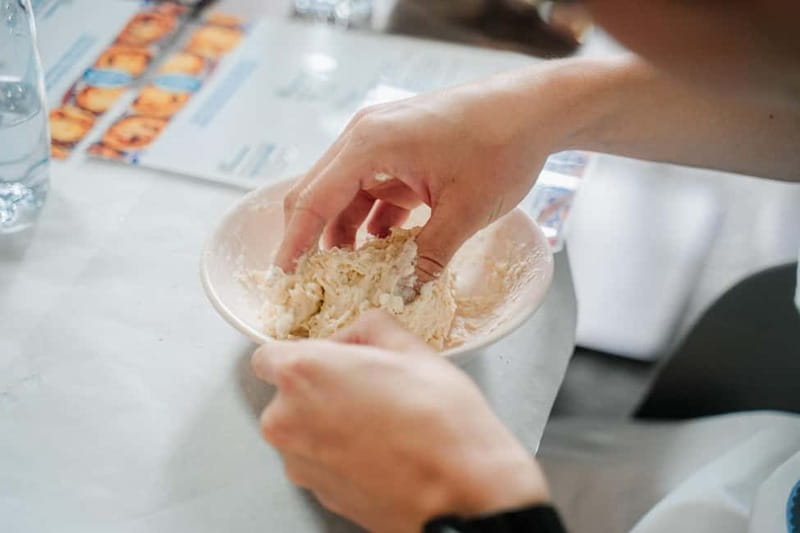
You’re not just “watching pastries happen.” You’re building them. You’ll mix the custard with the group, shape the tarts, and bake them until you get that crisp pastry edge and creamy center that makes pastel de nata famous. The biggest drawback is also the clearest one: it’s not suitable for gluten intolerance, and people with diabetes shouldn’t book because you’ll be eating sweet treats during the session.
Key Points I’d Focus On Before Booking
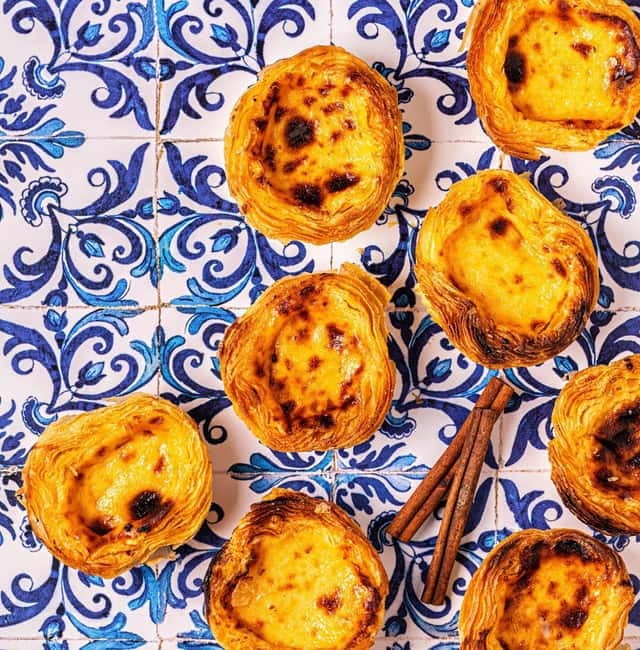
- You make three pasteis de nata yourself, not just one demo tart.
- Custard is made by the group, so you get real practice with the filling, not only assembly.
- A chef-led class with English, French, and Portuguese support, so you can follow closely even if your Portuguese is still warming up.
- Small group, max 8 participants, which means more hands-on help while you roll and fill.
- Local drinks are part of the break, including Madeira wine along with tea or coffee while the tarts bake.
You can also read our reviews of more tours and experiences in Funchal.



Pastel de Nata Workshop in Madeira: Hands-On Skills You Can Actually Repeat
Pastel de nata has a reputation for being complicated. You’ve probably seen photos of perfect, blistered pastry edges and thought, yeah… not happening in my kitchen. This class is designed to make that fear go away.
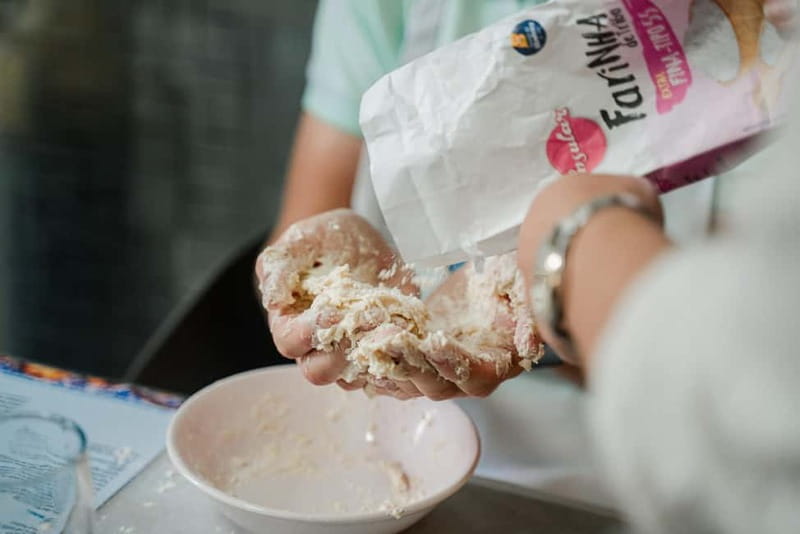
You’ll learn the key technique that turns puff pastry dough into something you can shape into tart cups and bake into layers. The process starts with dough that’s already prepared earlier by a pastry chef, but you still do the important work: rolling, cutting, and shaping so it ends up thin and even where it should be, and sturdy enough to hold the custard. Then comes the part that really feels like Portugal: the custard.
In many classes, the filling is treated like an afterthought. Here, you work on the custard together and learn how to get the texture right before it goes into the oven. The goal isn’t just taste. The real win is understanding what you’re aiming for—creamy, set, and lightly flavored—so you can reproduce it later.
Another reason I like this experience is how the lesson connects to what you’re eating. You don’t finish with only a recipe sheet and a memory. You leave with a repeatable method and a sense for what good pastel de nata should feel like when you bite into it: crisp pastry on the outside, custard that’s set but still silky.
Inside the Two-Hour Class: Rolling, Filling, Baking, and That Custard Quiz
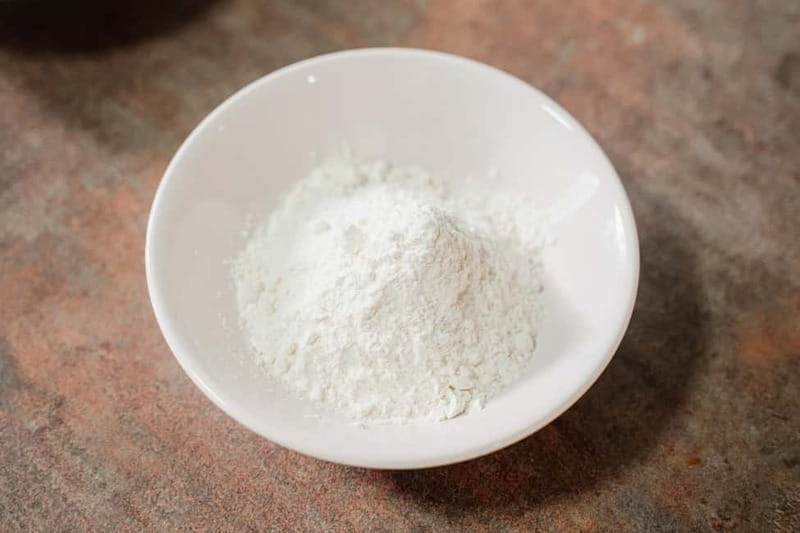
The full session is two hours, and it moves at a pace that works. You’re not dragged through long explanations. You get a short history/intro to the dessert first, then you get to work.
Here’s the rhythm you can expect:
You start with an overview of pastel de nata—what makes it different, and what to watch for while you bake. That context matters because it helps you pay attention to the right things: thickness of the pastry, how the custard behaves as it bakes, and when the tart is ready.
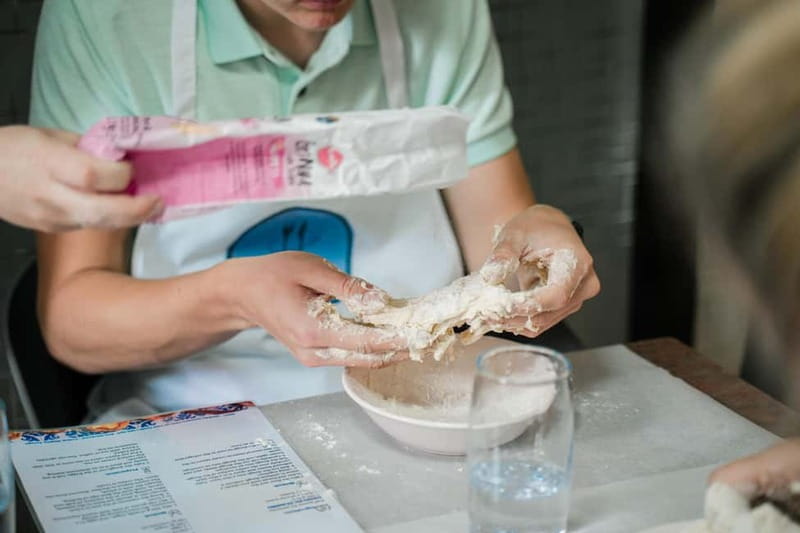
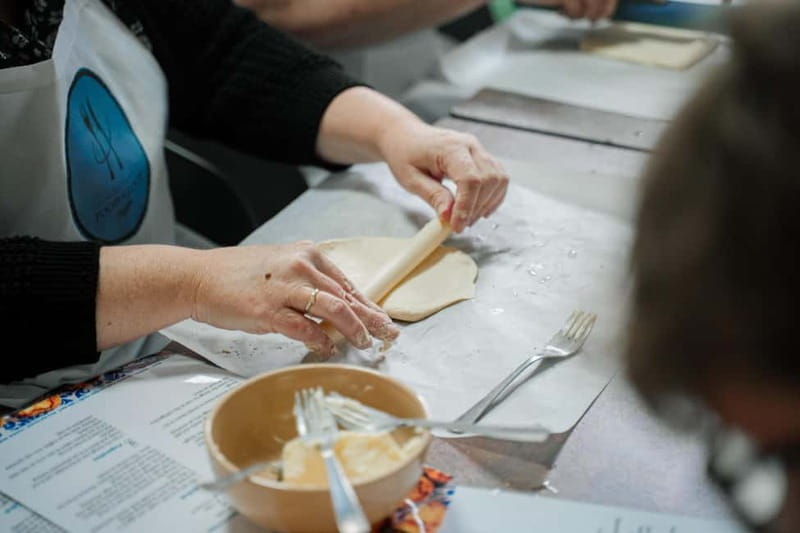
Then you shift to technique. You roll and shape your pastry into tart form. Even if you’re a beginner, the chef is close enough to correct small mistakes before they turn into big ones. One detailed review called out that the teaching style works for people with minimal culinary skills, which is exactly what you want from a pastry class: guidance that keeps you from feeling lost.
Next, it’s custard time. The custard is made by the group, so you get a real role in building the filling. That means you learn how the mixture should look and how to portion it into each tart. In a short class, you won’t have the luxury of slow perfection—but you will learn the steps that actually make the final texture.
While the pastries bake, there’s a fun break built in. You might get a brief quiz, and you’ll have time to sample Madeira wine plus tea or coffee. This part is more useful than it sounds. It keeps the pace comfortable and gives you a chance to relax before tasting what you made—so you don’t just inhale your tart standing up and rushing off.
Finally, the star of the show lands on the table: your fresh pastel de nata. The moment you eat matters here because you can immediately connect the bite to what you did. If your pastry blistered too much or not enough, you’ll feel it. If the custard set a bit too firm or stayed soft, you’ll notice that too. That feedback loop is what makes a cooking class “stick.”
Tip: aim for calm focus while shaping and filling. You don’t need chef-level confidence, but you do need steady hands so the custard is evenly portioned.
Where to Meet on Rua do Sabão: Finding the Spot Near Sé Boutique Hotel
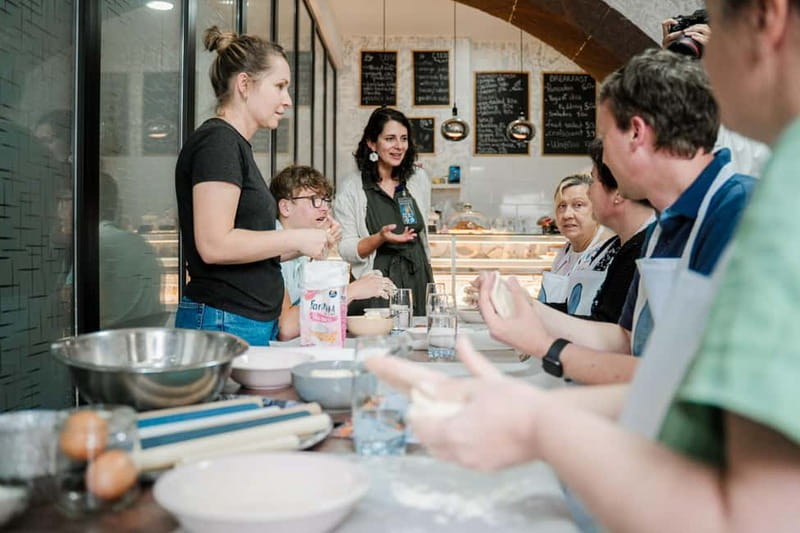
Logistics are simple, but they matter because the class starts on time and the group is small. You meet at the company office at Rua do Sabão 65, next to Sé Boutique Hotel.
I suggest arriving about 5 minutes early. With a class this short, you don’t want to waste time hunting for the entrance or walking in late while everyone else is already rolling pastry.
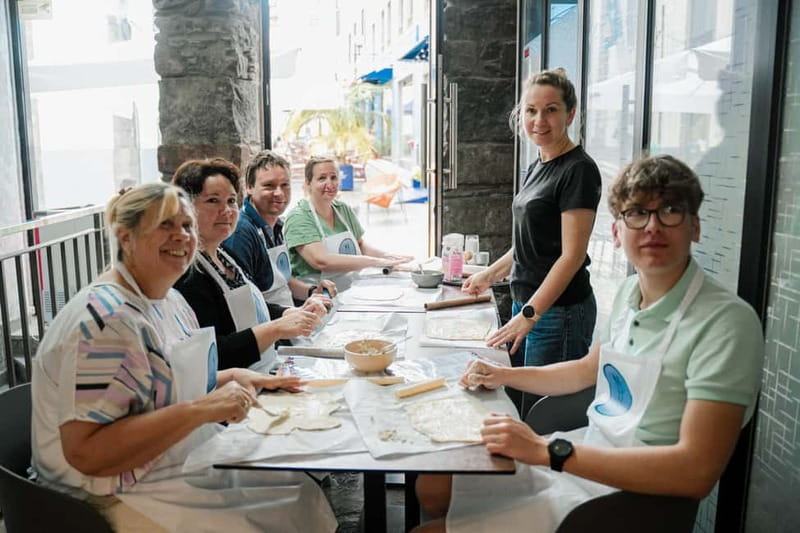
The workshop is held inside a small patisserie setting, and it feels more special than a classroom. One account described how the venue closes for private access for the group, which helps the whole experience feel intentional. You’re not competing with foot traffic or watching your class from behind a crowd.
Also: because the class is wheelchair accessible, the space is set up to work for different mobility needs. If that’s important to you, it’s worth having an idea of your path through the room so you can move comfortably once you arrive.
Practical note: transportation isn’t included, so plan your route ahead of time. If you’re staying near Funchal’s center, you’re likely fine with a quick local taxi or a short walk. If you’re staying farther out, budget a bit of travel time so you’re not arriving stressed.
Taste Test Time: Madeira Wine, Coffee, and Your Fresh Tarts
Eating in this class isn’t an afterthought. It’s part of the program.
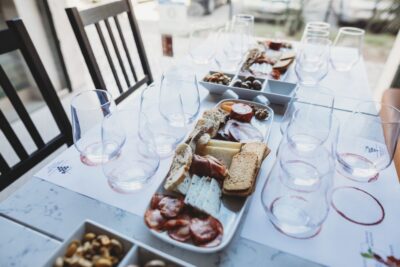
Once the tarts are in the oven, you’ll get a break with local beverages. Madeira wine is specifically mentioned as an option, along with tea or coffee. The idea is straightforward: drink something local while you wait, then taste your pastel de nata at its best.
Why this works: you’re tasting a warm pastry with a custard center. The flavor is delicate but noticeable, and a slightly sweet or aromatic pairing like Madeira wine can make the custard taste even more pronounced. Tea and coffee also fit well, especially if you’re not in the mood for wine.
When your tarts come out, the sensory part hits fast:
- Warm custard aroma that fills the room
- A crisp outer bite that gives way to creamy filling
- That classic pastry edge that looks harder than it is once you’ve done the shaping
One review mentioned people getting competitive about their tarts. That’s not a bad sign. It usually means the class gives you enough control to create differences between your pastries, and it rewards attention. Even if you start out making something that’s not perfect, you’ll learn what to adjust next time.
If you’re planning to bake these at home later, the tasting session is where the recipe stops being theoretical. You’ll remember what you’re aiming for when you follow the steps on your recipe sheet.



Small Group Setup for Perfect Practice (Max 8)
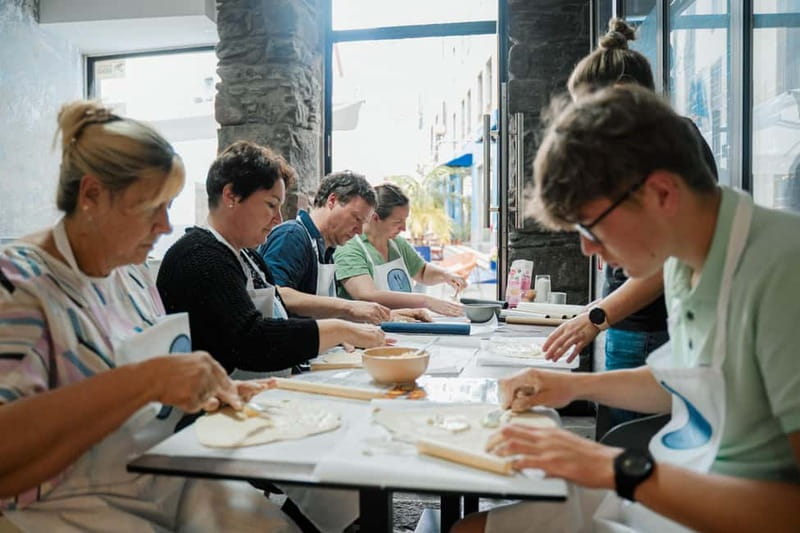
A lot of cooking classes say small group. This one actually limits you to 8 participants. That number changes everything.
With fewer people, the chef can:
- Watch your hands while you roll and shape
- Help correct dough thickness or uneven filling
- Keep the pace moving without leaving slower students behind
It also makes the atmosphere friendlier. You’re sharing steps with the group while the custard is prepared, and it’s easier to ask questions when you’re not shouting over a line of strangers.
Language support is also a big deal. The instructor is listed as English, French, and Portuguese, so you’re less likely to lose key steps. If you’re comfortable with any of those languages, you’ll get more from the class because you can follow details and ask quick clarifying questions.
You’ll likely leave knowing more than you expected, especially if you’ve only made basic shortcrust-type pastries before. One example review specifically noted the joy of practicing puff pastry techniques without pressure. That’s a strong selling point because pastel de nata is a puff-pastry cousin in terms of technique—even if the class simplifies the starting materials.
Price of $81: What Makes This Feel Worth It
At $81 per person, this isn’t the cheapest “do it yourself dessert” option. But for a short, guided class with food and drinks included, it can be a solid value if you care about technique.
Here’s the value equation I see:
- You get a certified local guide and an instructor-led baking class.
- Food and drinks are included, so you’re not paying extra for the tasting experience.
- You make three pasteis de nata, which is more substantial than a one-tart demo class.
- The setting is private to your group, helping the experience feel focused rather than rushed.
Could you bake pastel de nata at home for less? Sure, but you’ll likely spend time figuring out dough handling and custard texture on your own. This class compresses that learning into two hours with real coaching.
Is it pricey for a visitor? It’s fair to call it mid-range to high for a local food activity. I’d consider it worth the spend if you want:
- a guided recipe you can trust
- hands-on practice instead of passive tasting
- a Madeira activity that’s a break from scenery-only sightseeing
If you’re mainly looking for a cheap snack, you’ll do better with a pastry shop visit. If you want skills and a memorable story you can retell, this class earns its place.
Who This Class Suits Best and Who Should Skip It
This workshop is a great fit for:
- First-time visitors who want a practical taste of Portuguese culture
- People who like cooking classes and want an experience you can replicate later
- Couples and small groups who enjoy learning together (the max 8 limit is ideal)
- Anyone comfortable eating dessert and drinking something local with it
It’s less suitable if:
- You have gluten intolerance. The class is listed as not suitable for gluten intolerance.
- You have diabetes. The activity notes it’s not suitable for people with diabetes because you’ll be consuming sweet items during the class.
For everyone else, the class has a supportive vibe. Reviews describe teaching that helps beginners get to a good result, and you’ll be guided through the steps even if you don’t bake often.
If you’re visiting Madeira for a week and want one “experience” day that isn’t a long hike, this is a strong choice. It also works well as a break between heavier sightseeing blocks because it’s just two hours.
My Booking Advice: When This Pastel de Nata Class Is a Yes
Book this pastel de nata workshop if you want something that blends culture and real technique. The hands-on rolling and filling matters, and the small group size means you’re not stuck watching from the side. Add in the tasting with Madeira wine and tea/coffee, and you get a full experience—not just a recipe handoff.
I’d say it’s a yes if:
- you like cooking classes and want immediate feedback
- you’re staying near central Funchal so transportation isn’t a hassle
- you’re excited by the smell and texture side of food, not only the final photo
I’d hesitate if:
- you need gluten-free options (not offered per the activity info)
- you have diabetes
- you’re trying to keep costs ultra-low and don’t care about learning the process
If you fall into the middle, don’t overthink it. Two hours, three tarts, local drinks, and a chef-guided method you can repeat at home is a pretty satisfying deal.
FAQ
How long is the pastel de nata workshop?
The class lasts about 2 hours.
What is included in the price?
The price includes the baking class, food and drinks, and a certified local guide.
Is transportation included?
No. Transportation is not included.
Where is the meeting point?
Meet at Rua do Sabão 65, next to Sé Boutique Hotel.
How big is the group?
The workshop is a small group limited to 8 participants.
What languages are offered during the class?
The instructor can teach in English, French, and Portuguese.
Is the workshop wheelchair accessible?
Yes, it is listed as wheelchair accessible.
What is the cancellation policy?
Free cancellation is available up to 24 hours in advance for a full refund.
Should You Book This Workshop?
If you want a memorable Madeira food experience with real skills, this is an easy yes. You’ll learn by doing—rolling, filling, baking—and then you’ll taste your own pastel de nata while it’s at its best. Just make sure you can eat gluten and sweets comfortably, and plan your ride to Rua do Sabão 65 in advance so you arrive stress-free.